Why Choose a Polywood Chaise Lounge?
Choosing a Polywood Chaise Lounge means considering more than appearance. It means evaluating comfort, weather resistance, maintenance, and long-term value. Polywood furniture is made from high-density polyethylene lumber, often using recycled plastic materials. That construction helps resist moisture, insects, cracking, and fading. It also creates a solid frame that feels stable beside a pool, patio, or garden.
Doug Rassi, POLYWOOD’s co-founder, expresses the company’s practical philosophy simply: “Make products that last.” That idea matters when a chaise lounge faces strong sunlight, sudden rain, sunscreen, and damp towels. Wide armrests can hold a book or drink. Adjustable back positions support reading, resting, or afternoon naps. Stainless-steel hardware adds reassurance in humid environments. Small drainage gaps also help water leave the seat after storms.
The benefits are convincing. However, the choice is not perfect. A Polywood Chaise Lounge can feel heavier than aluminum furniture. Its recycled-plastic appearance may seem less traditional to some buyers. The initial price can also exceed cheaper outdoor seating. These details deserve honest attention. A lower price may not deliver the same lifespan, stability, or reduced maintenance.
This guide explores why the material and design continue attracting homeowners, hospitality professionals, and outdoor-living specialists. It considers real use, not showroom appeal alone. You will see how comfort, cleaning, color selection, hardware, and placement affect satisfaction. The right chaise lounge should survive ordinary neglect. It should still look inviting after repeated summers. That is the real test.
What Is a Polywood Chaise Lounge?
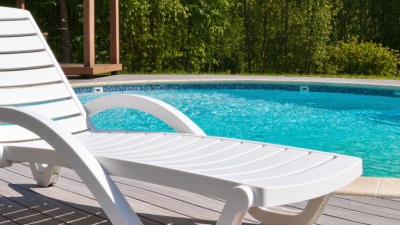
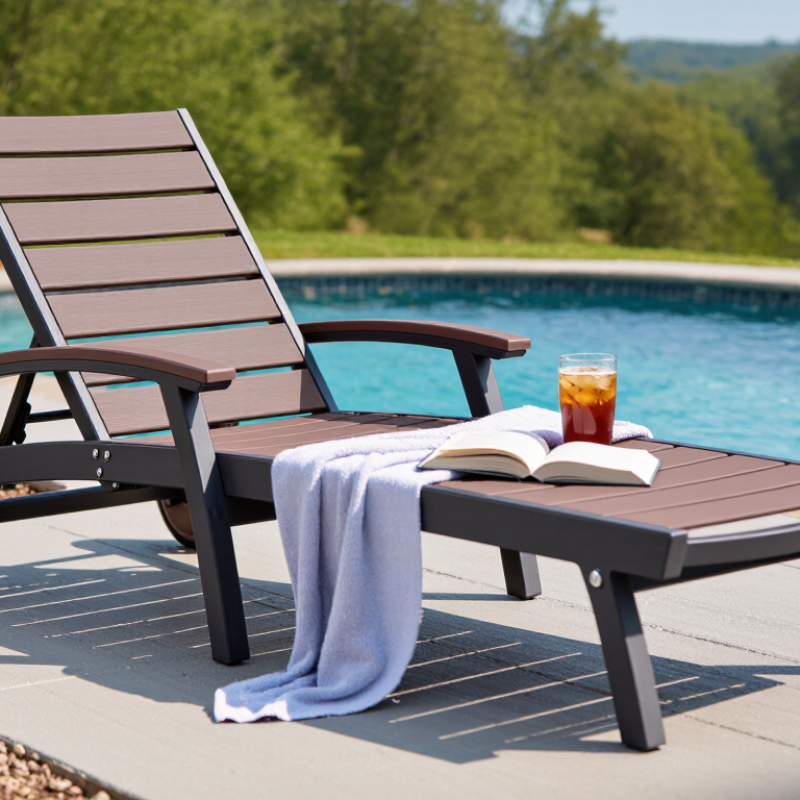
A polywood chaise lounge is an outdoor reclining chair made from high-density polyethylene lumber, often produced with recycled plastic. Unlike natural wood, this material does not absorb water easily or splinter during ordinary use. It usually has wide armrests, a long seat, and an adjustable backrest for reading or resting beside a pool.
I once assumed every plastic lounge chair would feel light and flimsy. That assumption was incomplete. A well-built polywood chaise can feel surprisingly solid because thick molded boards and corrosion-resistant hardware add stability. Its surface resembles painted wood, but the color runs through the material rather than sitting only on top. This helps reduce visible wear from scratches.
The design still has limits. Darker colors may become hot under strong sunlight, especially on bare skin. Some models also feel firm without a cushion. I would check the backrest mechanism, seat width, drainage gaps, and hardware before buying. Those details affect comfort more than appearance. Regular cleaning with mild soap usually removes sunscreen, dust, and food marks. Harsh cleaners may weaken the finish over time. A cover can reduce seasonal grime, although it is not always necessary in dry weather. Polywood is practical, but comfort depends on construction, placement, and personal expectations.
How Polywood Materials Perform Outdoors
Why Choose a Polywood Chaise Lounge?
How Polywood Materials Perform Outdoors
A polywood chaise lounge is designed for changing outdoor conditions. Its lumber-like material is commonly made from recycled high-density polyethylene. This construction resists moisture, insects, and everyday splashes. Rain usually stays on the surface instead of soaking into wood fibers. That matters beside pools, on patios, and near humid coastlines.
It also handles sunlight better than many painted outdoor woods. Quality material includes UV stabilizers that reduce fading and surface breakdown. Still, “fade resistant” does not mean fade proof. Darker colors may warm noticeably under direct summer sun. I have found that a light cushion and partial shade improve comfort during long afternoons. Stainless or corrosion-resistant hardware also helps the frame perform near salt air. Small details matter.
Cleaning is simple. Use mild soap, water, and a soft brush for pollen or spilled drinks. Avoid abrasive pads, which can leave visible marks. Polywood can be heavy, but that weight helps a chaise lounge stay steady in gusty weather. It is not indestructible, either. Dragging it across concrete may scratch the feet or frame. Seasonal inspection remains worthwhile, especially around bolts and adjustable backrests. A few minutes of care can prevent a loose fitting from becoming an annoying repair.
Key Benefits of Choosing a Polywood Chaise Lounge
A polywood chaise lounge offers reliable comfort for outdoor spaces. Its dense recycled-plastic construction resists moisture, fading, and everyday spills. Unlike untreated wood, it does not require seasonal staining or frequent sealing. This makes maintenance simpler for busy homeowners. A smooth surface also wipes clean after sunscreen, dust, or light rain. In my experience, that small convenience matters during long summer afternoons.
Comfort depends on more than appearance. Choose a lounge with several reclining positions and wide arm support. A contoured seat can reduce pressure behind the knees. Add a breathable cushion if the surface feels firm. The material stays stable in changing weather, but it can still become hot under direct sunlight. That detail is easy to overlook. It may need shade during peak afternoon hours.
Tips: Measure your available area before buying. Leave enough space for walking around the lounge. Check the hardware regularly, especially after strong winds. Use mild soap and water instead of abrasive cleaners. A side table keeps drinks and books within reach. I once underestimated that feature. It made the lounge feel less practical. Also, avoid dragging the chair across rough paving. Lift it with another person to protect both the legs and patio surface.
Why Choose a Polywood Chaise Lounge? - Key Benefits of Choosing a Polywood Chaise Lounge
| Evaluation Dimension |
Typical Polywood Chaise Lounge Data |
Practical Benefit |
| Primary Material |
High-density polyethylene (HDPE) lumber, commonly made with post-consumer recycled plastic |
Provides a solid, non-porous structure without the moisture absorption associated with natural wood. |
| Typical Overall Size |
Approximately 72–84 in. long × 24–30 in. wide × 12–18 in. high |
Offers enough surface area for reclining while fitting on most patios, decks, and poolside spaces. |
| Typical Product Weight |
Approximately 45–75 lb, depending on frame design and hardware |
The substantial weight improves stability and reduces movement in windy outdoor areas. |
| Moisture Resistance |
Non-porous plastic lumber; it does not absorb water like unfinished wood |
Suitable for humid climates and poolside use, with less risk of swelling, rotting, or water-related splitting. |
| UV and Color Performance |
Color is generally integrated throughout the material; UV stabilizers are commonly used |
Helps reduce peeling, flaking, and frequent refinishing compared with painted or stained wood. |
| Routine Maintenance |
Usually requires water, mild soap, and a soft or medium-bristle brush |
Routine cleaning is simple and normally does not require sanding, sealing, staining, or repainting. |
| Rust and Corrosion Considerations |
The HDPE lumber itself will not rust; hardware depends on the metal specification |
A suitable outdoor-grade hardware package can improve durability in coastal or damp environments. |
| Adjustable Comfort |
Common designs provide 3–5 backrest positions, depending on the model |
Supports multiple positions for reading, relaxing, sunbathing, or reclining. |
| Expected Service Life |
Often designed for 10+ years of outdoor use when properly assembled and maintained |
A long usable life can reduce replacement frequency compared with lower-durability outdoor furniture. |
| Environmental Consideration |
Recycled HDPE lumber can contain post-consumer plastic and is itself recyclable where facilities accept it |
Using recycled plastic can help divert material from landfills and reduce demand for newly harvested wood. |
| Best Use Locations |
Patios, decks, gardens, balconies, pool areas, and coastal outdoor spaces |
Versatile construction makes it appropriate for many residential and light commercial outdoor settings. |
Note: Dimensions, weight, backrest positions, recycled content, hardware, and service life vary by design and manufacturer. Always check the product specifications and care instructions before purchase.
Important Features to Consider Before Buying
A polywood chaise lounge should be judged by more than its relaxed appearance. The material should resist moisture, insects, and strong sunlight without demanding frequent sealing. Ask about the lumber’s composition and its color stability. Recycled plastic lumber can perform well outdoors, but quality varies between manufacturers. A dense, evenly finished surface usually feels more dependable.
Check the frame, joints, and hardware before buying. Stainless steel or corrosion-resistant fasteners are practical choices near pools and coastal air. The backrest should offer several secure reclining positions. Test the adjustment mechanism for smooth movement and firm locking. A wide seat improves comfort, especially during long afternoons. That matters.
Drainage is easy to overlook. Look for slightly curved surfaces or small gaps that prevent water from collecting after rain. Consider the lounge’s weight, too. A heavier frame may feel steadier in wind, while built-in wheels can simplify movement. I once underestimated this detail and stopped moving a chair because it was awkward to lift.
Check the dimensions against your patio before ordering. Measure doorways as well. Maintenance should involve mild soap, water, and a soft brush, not harsh chemicals.
Warranty coverage can reveal how confidently a maker stands behind construction. Still, a warranty cannot correct poor daily comfort, so sit on a similar model first if possible.
I would also inspect the underside, where rough edges sometimes escape attention. Looks can mislead.
How to Maintain and Use It Effectively
Why Choose a Polywood Chaise Lounge?
A Polywood chaise lounge offers outdoor comfort without demanding delicate care. Its recycled plastic construction resists moisture, fading, and everyday spills. I have found it especially useful beside pools, patios, and sunny balconies. The wide seat supports relaxed reading, while an adjustable back helps change positions easily. Still, comfort depends on correct placement. A lounge pressed against a rough wall may develop scratches over time.
Regular maintenance is simple but should not be ignored. Wipe the surface weekly with mild soap, warm water, and a soft cloth. Remove sunscreen, food, and leaves before stains become stubborn. For textured areas, use a soft brush rather than a sharp tool. Avoid harsh solvents and abrasive pads. They can dull the finish. Let the chair dry fully before adding cushions or folding it. I sometimes clean less often than recommended, and that mistake shows after rainy weeks.
Tips: Place the lounge on a level surface to prevent rocking. Use breathable cushions, and remove them during storms. Check the screws every few months, especially after heavy use. Do not drag the chair across concrete; lift it with two people. Store it in a shaded, ventilated area when outdoor conditions become severe. Keep it dry. A quick inspection can prevent loose hardware, uneven support, and uncomfortable use.