Leave Your Message

Why Choose a Polywood Chaise Lounge for Outdoor Spaces?

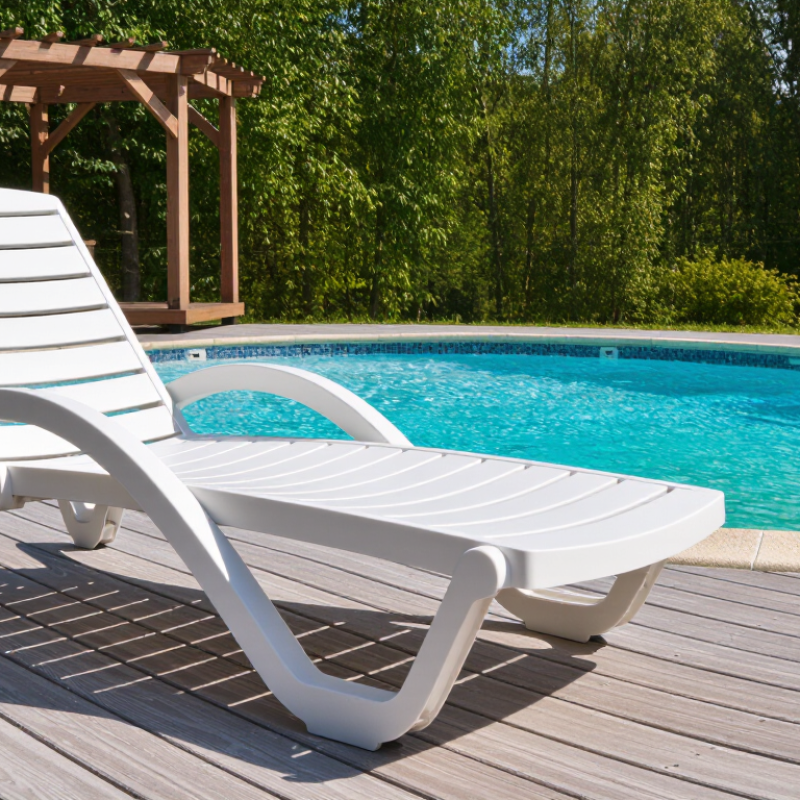
Outdoor spaces often look inviting in photographs, yet daily comfort depends on practical furniture. A Polywood Chaise Lounge can bring that comfort beside a pool, beneath a pergola, or on a sunlit deck. Its broad seat supports relaxed reading, afternoon naps, and slow conversations. The surface also resists moisture, fading, and everyday outdoor wear better than many traditional wooden options.

POLYWOOD co-founder Doug Rassi has described the company’s approach this way: “We make furniture that is built to last.” That principle matters when choosing a chaise lounge for changing weather and frequent use. High-density recycled plastic does not require routine staining or sealing. Cleaning usually needs mild soap, water, and a soft brush. That is refreshingly simple.

Still, no material is perfect. Darker colors may feel hot under strong sunlight, and heavy construction can make moving the lounge inconvenient. Cushions may also require storage during storms. These details deserve attention before purchase. A well-designed chaise should combine supportive angles, stable legs, smooth edges, and adjustable reclining positions. It should feel steady when someone sits down, not merely attractive from a distance.

The strongest reason to choose a Polywood Chaise Lounge is its balance of comfort, durability, and lower maintenance. Recycled plastic lumber also gives discarded plastics a longer useful life. However, sustainability claims should be judged carefully. Look for transparent material information, dependable warranties, and responsible manufacturing practices. A chaise lounge is a long-term outdoor investment. Small design choices can decide whether it becomes a daily retreat or an expensive object that rarely gets used.
Why Choose a Polywood Chaise Lounge for Outdoor Spaces?

What Is a Polywood Chaise Lounge?

A Polywood chaise lounge is an outdoor recliner made from durable plastic lumber, often containing recycled plastic. Its boards are shaped to resemble painted wood, with a smooth surface and visible plank lines. The frame typically has a long seat, an adjustable back, and sturdy legs. On a patio, it offers a firm place to stretch out beside a small table or pool.

Unlike untreated timber, this material absorbs little water, so it is less prone to rot or splintering. Routine cleaning usually takes mild soap and water. Still, low maintenance does not mean maintenance-free: dirt can collect between slats, and dark surfaces may become hot in direct sun. The lounge can also feel heavier than expected. That helps it stay put in breezy weather, but makes rearranging a narrow deck less convenient. Check care instructions and weight capacity before choosing one.

Tips: Set it on level ground and test the back adjustment before relaxing. A cushion can make longer rests more comfortable, but bring fabric indoors after rain. If possible, try the seat in person; its firm, slatted feel may not suit everyone.

How Polywood Performs inWhat Is a Polywood Chaise Lounge?

A Polywood chaise lounge is an outdoor recliner made from durable plastic lumber, commonly high-density polyethylene (HDPE). Some versions use recycled plastic, though materials vary by manufacturer. The boards are shaped into a frame and seat slats, then joined with corrosion-resistant hardware. In practical terms, the chair has the familiar look of painted wood without needing a fresh coat of paint each season. It can stay outdoors through rain, and the material does not absorb water like untreated timber. Still, check the care instructions for the specific chair.

How does it perform outside? Its solid construction resists moisture, and color mixed through the material can help hide small scratches. A quick rinse usually removes dust, pollen, or dried splashes. No elaborate routine. The trade-off is weight: moving a full-size chaise across a deck may take effort, especially on textured paving. Dark colors can also feel hot in direct summer sun, so test the surface before settling in. It is sturdy, but not maintenance-free; inspect fasteners occasionally and clear grit from joints. A shaded spot and a cushion can make long afternoons more comfortable.

Why Choose a Polywood Chaise Lounge for Outdoor Spaces? — How Polywood Performs and What Is a Polywood Chaise Lounge?

Dimension What It Means for an Outdoor Chaise Lounge Practical Consideration
What “polywood” refers to The term commonly describes outdoor furniture made from high-density polyethylene (HDPE) lumber, often containing recycled plastic. It is formed into board-like pieces rather than cut from natural wood. Check the product’s material specification: construction, recycled content, and hardware can vary between products.
Moisture and rot HDPE does not absorb water like untreated wood, so it will not rot or splinter in the same way. Outdoor exposure can still affect metal hardware and other components. Rinse off dirt and salt, and follow the care guidance for fasteners and any fabric or cushions.
Sun exposure and color Outdoor-grade HDPE furniture is generally made for exterior use, but sunlight can contribute to fading or surface changes over time. Performance depends on the material formulation and finish. When not in use for extended periods, a cover or shaded storage can help limit exposure. Follow the manufacturer’s care instructions.
Cleaning and upkeep Routine cleaning is usually straightforward: a soft brush or cloth, mild soap, and water are commonly suitable for HDPE surfaces. Avoid abrasive cleaners or tools unless the product instructions specifically allow them. Clean spills promptly, especially on cushions.
Comfort and adjustability A chaise lounge is a long reclining seat intended for stretching out. Many models have an adjustable back; comfort also depends on seat shape, surface texture, and cushion design. Confirm the recline positions and whether cushions are included. Cushions may require separate care and storage.
Weight and portability HDPE lumber furniture can be heavier than some lightweight metal or plastic alternatives, though actual weight varies by frame design and size. Check the listed product weight and whether the chaise has wheels or handles if you plan to move it often.
Heat in direct sun Like many outdoor materials, a dark-colored surface can become hot in direct sunlight. Surface temperature depends on color, sun intensity, and surrounding conditions. Consider a lighter color, shade, or a towel or cushion, and test the surface before sitting down on a hot day.
Environmental considerations Some HDPE lumber uses recycled plastic, which can make use of recovered material. Recycled content and end-of-life options are not identical for every product. Look for documented recycled-content information and local guidance on recycling or disposal; do not assume every component is recyclable locally.
Best suited for Outdoor settings where a low-maintenance, water-resistant lounging surface is useful, such as patios, pool areas, and decks. Compare dimensions, weight capacity, hardware, warranty, and care instructions before choosing a model for your space.

Note: “Polywood” is used here as a general material description, not as a guarantee of identical composition or performance. Product details vary; consult the specifications and care instructions for the chaise lounge you are considering.

How Polywood Is Made and What It Contains

Choosing a polywood chaise lounge starts with understanding its material. In outdoor furniture, “polywood” commonly refers to high-density polyethylene lumber made from recycled plastic containers and industrial scrap. Manufacturers sort, wash, and shred this material before melting it into a consistent feedstock. Color pigments and UV stabilizers are mixed into the plastic, rather than painted only on the surface. This matters. A scratch may reveal a similar color beneath. However, formulations differ, so buyers should check technical specifications instead of trusting the label alone. That caution is worthwhile.

The melted HDPE is shaped through extrusion, compression molding, or related manufacturing methods. It cools into thick boards and curved components, then workers cut, drill, and smooth each piece. The material usually contains no wood fibers, although some products may include other plastics or mineral fillers. Ask what the core contains. A well-made chaise should feel dense, resist moisture, and remain stable beside a pool or salty coastal air. Stainless or corrosion-resistant fasteners also affect service life. Smooth edges and small drainage gaps improve everyday comfort. Polywood is not maintenance-free everywhere. Dust, sunscreen, and mildew can collect on textured surfaces. Mild soap usually helps, while harsh solvents may damage the finish. I would inspect the underside and hardware before buying. Appearance alone can hide weak joints.

Why Choose a Polywood Chaise Lounge for Outdoor Spaces?

Recycled high-density polyethylene (HDPE) is the primary material used in this type of outdoor furniture. HDPE has very low water absorption, while wood can absorb substantially more moisture. Outdoor HDPE lumber commonly contains recycled plastic resin together with color pigments and UV stabilizers, helping the chaise lounge resist moisture, cracking, peeling, and color fading. Exact formulations vary by manufacturer.

How Polywood Performs in Outdoor Conditions

Outdoor performance depends less on appearance than on material behavior. Polyethylene-resin chaise lounges resist moisture because the plastic does not absorb water like untreated wood. ASTM D6662 identifies polyethylene plastic lumber as suitable for outdoor products. This supports use around pools, patios, and humid coastlines.

Sun exposure remains the harder test. ASTM D1435 evaluates plastics through outdoor weathering, including color change and surface deterioration. The standard does not promise permanent color. That matters. A dark chaise may slowly fade under intense ultraviolet radiation, especially in southern climates. A lighter finish usually hides this change better. Regular washing removes salt, pollen, and sunscreen residue before they build into a dull film.

Weight also affects real-world durability. A substantial frame stays steadier during gusts, but no plastic lounger should remain unsecured in severe weather. The National Oceanic and Atmospheric Administration records rising heat extremes across many U.S. regions, increasing thermal expansion cycles for outdoor furniture. High-density polyethylene handles these cycles better than brittle low-grade plastics, though joints and fasteners can still weaken first. I would inspect them each season. Small flaws are easy to miss. Even well-designed materials need shade, drainage, and reasonable care.

Comfort and Design Features for Outdoor Relaxation

A Polywood chaise lounge can make an outdoor corner feel like a genuine resting place. In my experience, comfort begins with the reclining angle, not the material alone. A gently sloped back supports the shoulders while keeping the head relaxed. Wide armrests also give tired hands a natural resting position. Small details matter here.

Contoured slats can follow the body better than a completely flat surface. They allow air to move beneath you, which feels useful on humid afternoons. Add a thin, weather-resistant cushion for softer support, but choose one that dries quickly after rain. I prefer removable cushions because outdoor dust collects faster than expected. The seat should feel stable, never flexible or shaky.

The design can remain simple without looking plain. Clean lines suit patios, pool edges, and wooden decks. Neutral tones also blend with plants, stone, and outdoor textiles. Polywood furniture usually needs less upkeep than painted timber, yet it still deserves regular cleaning. Mild soap, water, and a soft brush are often enough. Avoid harsh tools that may mark the surface.

Still, no chaise lounge suits every body. I once chose a model with a narrow seat, and longer sessions became uncomfortable. Checking the seat width and height beforehand is worth the extra minute. Wheels can improve mobility, although they may reduce stability on uneven ground. A careful choice balances relaxation, appearance, and the practical demands of daily outdoor use.

Conclusion

A Polywood Chaise Lounge is an outdoor reclining chair made from a durable, recycled plastic material designed to resemble painted wood while requiring less maintenance. Its construction typically combines high-density plastic with colorants and stabilizing additives, creating a solid, weather-resistant surface that can withstand sunlight, moisture, temperature changes, and everyday outdoor use. Unlike traditional wood, it is not prone to splintering, rotting, or frequent repainting, making it suitable for patios, poolside areas, gardens, and balconies.

Beyond durability, a Polywood Chaise Lounge offers practical comfort through an adjustable backrest, supportive proportions, and a design that encourages extended relaxation. Many styles can complement different outdoor settings and may include cushions or contoured surfaces for added comfort. Care is generally simple: regular washing with mild soap and water helps remove dirt and debris. With proper use and storage during severe weather, it can provide long-lasting value. Its recycled material content also supports a more resource-conscious approach to outdoor furniture.