2026 Best Outdoor Patio Furniture Trends for Your Home?
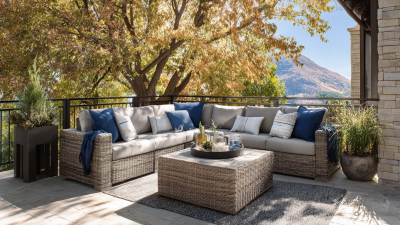
As we approach 2026, the world of outdoor patio furniture is evolving rapidly. This year brings exciting trends that focus on comfort, style, and sustainability. Homeowners increasingly desire spaces that reflect their personal taste while being eco-friendly. Outdoor patio furniture now blends functionality with aesthetic appeal, creating inviting environments.
There are numerous styles to explore. From minimalist designs to bold colors, the options are vast. Cushions are becoming thicker, and materials are evolving. Consider using recycled materials for a more sustainable choice. It’s important to select pieces that not only enhance your outdoor area but also withstand the elements. This is where quality comes into play.
Reflecting on your outdoor space is essential. What do you want to achieve? Is it relaxation, entertainment, or family gatherings? Your choice in outdoor patio furniture can influence the overall vibe of your backyard. Balancing personal desires with functionality can be tricky. However, exploring new trends will help you create the perfect outdoor haven.
2026 Trends in Outdoor Fabrics: Durability Meets Style
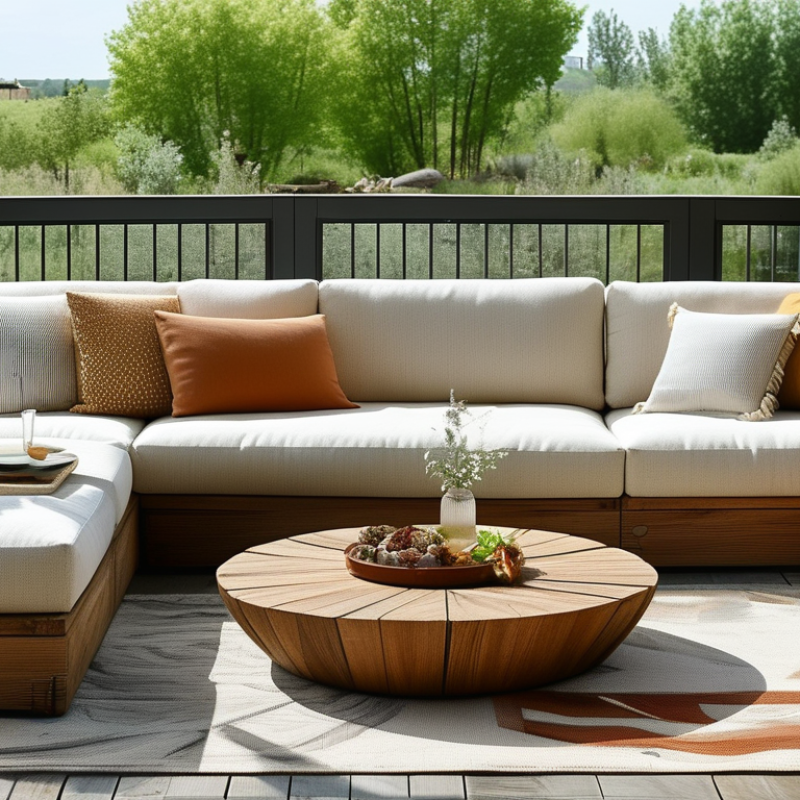
In 2026, outdoor fabrics are evolving to blend durability with style. Homeowners are prioritizing materials that withstand the elements while enhancing aesthetic appeal. High-performance fabrics will be resistant to fading, stains, and mildew. These fabrics promise longevity, ensuring patio furniture looks fresh season after season.
Textiles with vibrant colors and textures are gaining traction. Designers are experimenting with bold patterns, bringing life to outdoor spaces. Sunbrella and similar materials are notable, but new players are emerging. The variety allows homeowners to personalize their patios. The challenge lies in balancing aesthetics with practicality. A beautiful fabric might not hold up under heavy use.
Sustainable options are also on the rise. Recycled materials offer eco-friendly choices without sacrificing quality. However, awareness of care methods remains crucial. Many may overlook the effort required to maintain these fabrics. As trends shift, finding the right balance of style and durability becomes essential. This journey of discovery pushes homeowners to reflect on their choices.
Innovative Outdoor Furniture Materials: What to Expect in 2026
As we look toward 2026, outdoor furniture trends are shifting with a focus on innovative materials. Homeowners seek durability and sustainability. Expect to see more recycled plastics and natural composites in patio designs. These materials not only reduce waste but also withstand harsh weather more effectively than traditional options.
Comfort and aesthetics remain priorities. Textiles made from renewable sources will likely dominate. Soft, vibrant fabrics enhance the experience. Imagine lounging on cushions made from reclaimed fibers, their colors reflecting nature. However, the challenge lies in balancing comfort and environmental impact. Questions about production processes often arise.
Another anticipated trend is modular designs. Transformable furniture allows for flexible outdoor spaces. However, the balance between practicality and aesthetic appeal can be tricky. Homeowners might need to reflect on how these choices affect their outdoor experience. Each trend presents opportunities—but also the need for careful consideration.
Design Aesthetics: Blending Comfort and Functionality for Patios
Creating a stylish outdoor patio space involves blending comfort and functionality. Your patio should feel like an extension of your home. Choose furniture that invites relaxation while serving practical purposes. Consider modular designs that adapt to your space. They can be rearranged to suit gatherings or quiet evenings.
When designing, opt for durable fabrics. Weather-resistant materials can withstand rain and sun. However, they may fade over time. Select colors and patterns that reflect your personality. Earthy tones are calming while bold prints add flair. Mixing materials like wood and metal can create an interesting visual contrast.
**Tips:** Think about layering. Rugs and cushions add comfort and a pop of color. Try different textures for depth. Also, consider the layout carefully. Ensure there’s enough space to move around comfortably. Small adjustments can make a big difference in functionality. Aim for a balance of style and ease of use. Reflect on what works best for your lifestyle. Be open to change, as needs may evolve over time.
2026 Best Outdoor Patio Furniture Trends for Your Home
| Trend |
Description |
Materials |
Color Palette |
Comfort Features |
| Modular Seating |
Flexible arrangements for personalized spaces |
Weather-resistant wicker, aluminum |
Earth tones, soft whites |
Cushioned backrests, deep seating |
| Sustainable Materials |
Eco-friendly options for conscious consumers |
Recycled plastic, bamboo |
Greens, soft blues |
Ergonomic designs, breathable fabrics |
| Smart Furniture |
Integration of technology for convenience |
Metal, synthetic materials |
Minimalist whites, greys |
Built-in USB ports, adjustable features |
| Bold Patterns |
Vibrant designs to enhance visual appeal |
Fabric and cushions with dynamic prints |
Bright oranges, deep blues |
Plush seating, layered textiles |
| Multi-Functional Pieces |
Furniture that serves various purposes |
Wood, metal |
Neutral tones, pastels |
Convertible designs, hidden storage |
Sustainable Outdoor Furniture: Eco-Friendly Options to Consider
Choosing sustainable outdoor furniture is increasingly vital for eco-minded homeowners. According to a report from the Sustainable Furnishings Council, nearly 70% of consumers prefer eco-friendly options when purchasing outdoor furnishings. This shift is driven by both environmental concerns and health considerations. Natural materials, like bamboo and reclaimed wood, are popular choices for stylish yet sustainable patio furniture.
The production of outdoor furniture significantly impacts the environment. For instance, traditional manufacturing processes can lead to substantial carbon emissions. By opting for items made from recycled materials, consumers can help reduce their carbon footprints. However, not every eco-friendly product is flawless. Some may sacrifice durability for sustainability, requiring more frequent replacements. This cycle can undermine the environmental benefits intended.
Certifications like FSC (Forest Stewardship Council) can guide consumers. These labels ensure materials are sourced responsibly. Yet, the lack of uniform standards in the industry can confuse buyers. This inconsistency highlights the need for ongoing education in sustainable choices. Making informed decisions is crucial for a genuinely green patio setting. Balancing aesthetics and eco-friendliness remains a challenge many homeowners face.
Smart Technology in Patio Furniture: The Future of Outdoor Living
As outdoor living spaces evolve, smart technology is becoming a game changer. According to a report by the American Society of Landscape Architects, nearly 60% of homeowners now prioritize tech-driven solutions for their patios. This shift reflects a growing demand for versatile outdoor areas that seamlessly integrate with modern lifestyles. Technologies like smart lighting and automated seating can transform a simple patio into a connected oasis.
Consider smart furniture that adapts to your needs. For instance, adjustable patio tables can serve both dining and lounging purposes. Solar-powered charging stations embedded in furniture are gaining traction, catering to our device-centric lives. A study from Home Automation Research indicates that 73% of consumers are willing to invest in smart solutions that offer convenience and comfort. This represents a significant shift toward more intelligent outdoor environments.
Challenges remain, however. Many homeowners feel overwhelmed by the variety of options. There's a lack of standardized technology, leading to compatibility issues. Furthermore, not all smart features are user-friendly. A report from TechHome shows that 40% of users struggle to understand how to operate their outdoor tech. As the industry continues to innovate, addressing these concerns will be key to enhancing the outdoor living experience.