Leave Your Message

What Are the Top Types of Patio Furniture?

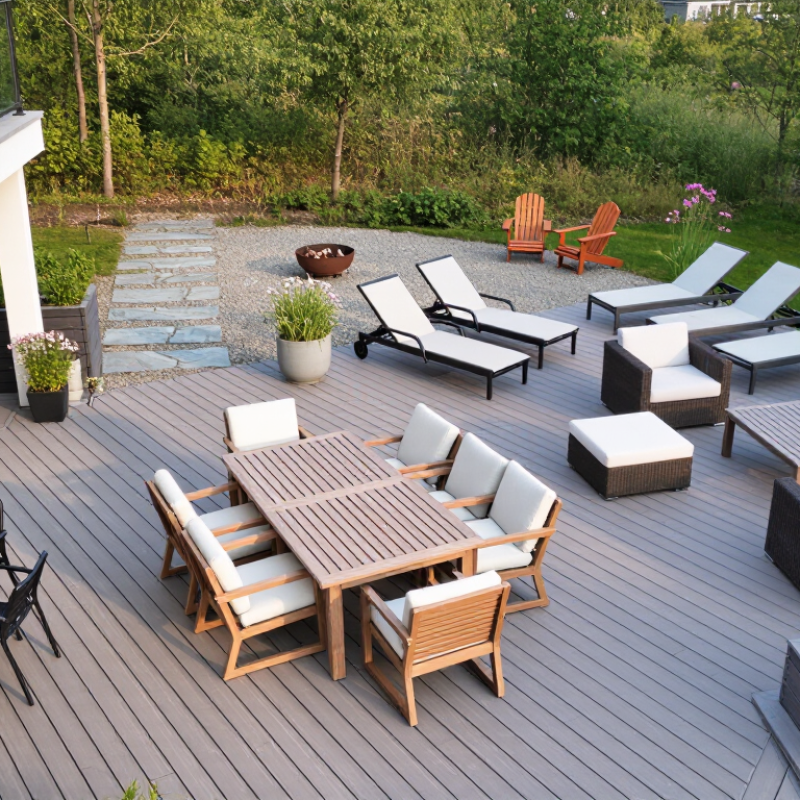
Patio Furniture can turn a bare deck, balcony, or garden corner into a useful outdoor living space. The best choice depends on how you plan to use it, how much room you have, and the weather it must handle. A bistro set may suit a narrow balcony, while a dining set gives families space for outdoor meals. Deep lounge chairs and sofas create a relaxed seating area; Adirondack chairs offer a simpler option beside a fire pit or garden path. Modular furniture can be rearranged, though its pieces may need more storage space.

Materials also shape comfort, upkeep, and durability. Aluminum is lightweight and resists rust, while teak has a warm appearance and changes color as it ages. Woven resin can provide a familiar wicker look with less concern about rain, but quality varies between products. Check care instructions, frame construction, cushion fabric, and weight limits before buying. Small details matter. A chair that looks generous in a showroom may crowd a compact patio, and cushions left outdoors can become damp after a storm. Not always obvious.

This guide compares the main types of Patio Furniture and explains where each one tends to work best. It considers everyday use, available space, maintenance, and practical comfort rather than appearance alone. No category is perfect for every home. A careful choice should fit your routines and local conditions, even if that means choosing a modest set over a more impressive one.
What Are the Top Types of Patio Furniture?

How Patio Furniture Types Are Classified

Patio furniture is easiest to classify by what people do with it. Dining sets pair tables with upright chairs for meals, while lounge furniture includes deep seats, recliners, and low tables. Conversation groupings usually arrange several chairs or sofas around a shared surface. That matters. A small balcony may need folding chairs or a compact bistro set, even if a larger set looks more inviting.

A second way to classify furniture is by material and construction. Aluminum frames are relatively light, while steel often feels heavier and more stable. Teak and other outdoor-rated woods bring a warm, solid look, but they need suitable care. Woven resin and synthetic fabrics are common choices for exposed spaces. Still, material alone does not tell you how a piece will perform. Check drainage, cushion fabric, joints, and whether the frame feels steady on your actual patio surface.

These categories overlap. A lounge chair can be made from wood, metal, or woven material, and one dining bench may also serve as extra seating. In practice, the labels are useful but imperfect. Measure the space, including room to pull out chairs, and consider how much upkeep you will realistically do. The best classification is the one that helps you compare comfort, fit, and care without overlooking daily use.
Outdoor Dining Sets for Meals and Gatherings

Outdoor Dining Sets for Meals and Gatherings

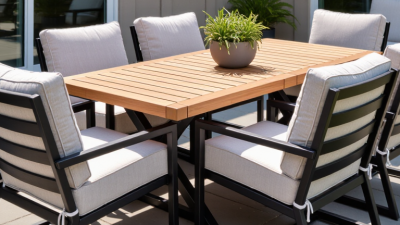
Outdoor dining sets make a patio useful for more than lounging. A four-seat table suits weeknight dinners, while an extendable design can handle extra guests without permanently crowding the space. Grand View Research projects the global outdoor furniture market will grow at a 5.9% compound annual rate from 2024 to 2030. That figure covers the wider category, not dining sets alone, but it signals sustained interest in outdoor furnishings.

Measure the patio before choosing a table. Leave room to pull chairs back and walk around them; a tight fit becomes obvious when someone carries a hot serving dish. For a small balcony, a round table can soften corners and ease movement. On a larger deck, a rectangular table gives platters and serving bowls a clear place to land. Comfort matters. Check that chair arms slide under the tabletop, and look for weather-resistant finishes and cushions that can dry quickly. One detail is easy to miss: a large table may look generous in a showroom but dominate a real patio. Measure twice.

What Are the Top Types of Patio Furniture? — Outdoor Dining Sets for Meals and Gatherings

Type of Dining Set Typical Seating Common Table Size Materials Often Used Best For Care and Weather Notes
Four-Person Dining Set 4 people Round: about 36–48 in. diameter; rectangular: about 48–60 in. long Aluminum, steel, wood, resin wicker, or plastic Small patios, balconies, and everyday outdoor meals Choose materials and finishes suited to local weather. Clean regularly and protect cushions when not in use.
Six-Person Dining Set 6 people Rectangular: about 60–72 in. long; round: about 54–60 in. diameter Aluminum, steel, hardwood, or synthetic wicker Family meals and relaxed gatherings on medium-sized patios Allow room to pull chairs out; around 36 in. of clearance behind chairs is a useful planning guideline.
Extendable Dining Set Usually 4–6; often 6–8 when extended Commonly about 60–72 in. long when closed, with extra length when extended Wood, aluminum, or steel frames with wood or composite tabletops Homes that need a compact table for daily use and more seating for guests Keep extension mechanisms clean and dry where possible. Follow the care instructions for the table’s specific material.
Bistro Set 2 people Round: about 24–36 in. diameter Metal, wood, molded plastic, or mosaic-topped metal Balconies, breakfast corners, and compact outdoor spaces Folding designs are easy to store. Check metal finishes periodically for chips or signs of corrosion.
Bar-Height Dining Set Usually 2–6 people, depending on table length Often about 36–42 in. high; sizes vary by seating capacity Powder-coated metal, wood, or weather-resistant synthetic materials Casual entertaining and narrow patios where a raised table suits the layout Use chairs made for the table’s height. Secure lightweight pieces in windy conditions.
Round Pedestal Dining Set Usually 4–6 people About 42–60 in. diameter Aluminum, steel, wood, or stone-look composite Conversation-focused meals and layouts where guests need flexible legroom Check that the base sits level on the patio. Heavier tops may require careful handling and stable support.

Dimensions and seating capacities are typical examples, not fixed standards. Actual sizes vary by design; measure the patio and allow space for chairs and walkways before choosing a set.

Lounge Furniture for Relaxing and Sunbathing

Lounge furniture turns a patio into a place for reading, resting, and catching the morning sun. A chaise lounge suits solo sunbathing, while a reclining chair offers adjustable support for changing positions. For shared spaces, a low outdoor sofa or daybed creates room to stretch out. Check that the seat supports your lower back and that the frame feels steady on the patio surface. Thick cushions look inviting, but quick-drying covers are more practical after dew or a passing shower. Comfort is personal. A chair that feels perfect in a showroom may feel too firm after an hour.

Sun exposure deserves equal attention. The World Health Organization’s Global Cancer Observatory reported more than 1.5 million skin cancer cases worldwide in 2020. Arrange loungers near a shade umbrella or pergola, and keep water within reach. A shaded spot lets you pause without carrying furniture across the patio. Think about it: “sunbathing furniture” should not mean staying in direct sun for hours. Add a small side table for a book, sunglasses, and sunscreen.

Tips: Test the recline before buying, and measure the footprint with the chair fully extended. Choose cushions with removable covers, then store them dry. Leave a clear walking path; crowded patios can make even good furniture frustrating. I would still allow extra space—real patios rarely stay as tidy as a plan.

Top Types of Patio Lounge Furniture

Estimated floor space for popular pieces used for relaxing and sunbathing

A chaise lounge is designed for reclining and sunbathing, while outdoor chairs and sofas offer options for seated relaxation. Space estimates are approximate planning examples based on representative furniture dimensions; actual sizes vary by design.

Conversation Sets for Socializing Outdoors

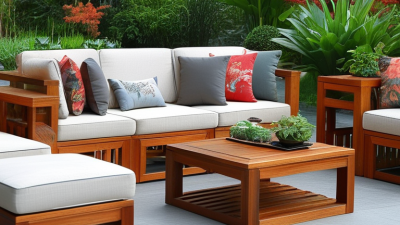
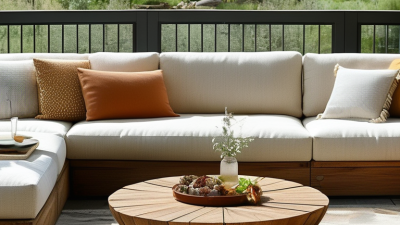
Conversation sets make a patio feel like an outdoor room. A sofa, two chairs, and a low table give guests an easy place to gather. Keep the layout open enough for people to move around comfortably. On a compact deck, two lounge chairs and a small table may work better than a full sectional. Measure the space, including paths to doors and steps. Comfort matters more than matching every piece. Test seat depth and back support if possible; cushions that look plush can feel firm after a long meal. Small details are easy to miss.

Tips: Mark the furniture footprint with masking tape before ordering. Leave a clear walkway, and check that chairs can move without hitting a wall. Choose removable cushion covers and frames suited to local weather. Store or protect cushions during prolonged wet weather.

Think about how you actually host. If guests linger, a table wide enough for drinks and snacks helps; oversized tables can crowd knees. Angle chairs slightly toward one another to encourage conversation. One drawback: sets simplify shopping, but their fixed proportions may not suit every patio. A slightly mismatched extra chair can be more useful than a perfect-looking arrangement. Even attractive seating can feel awkward when people have to squeeze past it.

Benches, Swings, and Multifunctional Seating

Patio seating should fit how people actually use the space, not just how it looks in a listing. A bench is a steady, space-efficient choice along a wall or beneath a window. It can seat several guests, though people may sit closer than they prefer. Add weather-resistant cushions, and store them indoors when rain is expected. Small detail, big difference. Check the seat height too; a deep, low bench can be awkward for older guests or anyone with limited mobility.

A porch swing brings gentle movement and a relaxed focal point. It needs a sound support structure, secure hardware, and enough clearance to move without striking a railing or table. Do not guess at the load rating. Multifunctional seating can work harder in compact patios: storage benches hold cushions, while modular pieces can shift from a pair of chairs to a longer lounge. Still, extra features add weight and seams where water or dirt may collect. Measure pathways before buying, then leave room to pull a seat out. More seats are not always better; comfortable spacing matters, and it is easy to overlook.