Leave Your Message

How to Choose Wicker Patio Furniture in 2026?

Choosing Wicker Patio Furniture in 2026 requires more than matching a woven texture with your garden cushions. Buyers must assess materials, climate performance, comfort, maintenance, and long-term value. The right chair should survive bright sunlight, sudden rain, and repeated movement across a stone patio.

Industry data shows why this decision deserves careful attention. Grand View Research estimates that the global outdoor furniture market will continue expanding through 2030, supported by residential outdoor living and hospitality investment. Mordor Intelligence also identifies weather-resistant materials and online retail as major market influences. However, these reports use different definitions and research methods. Their figures should guide judgment, not replace it.

Look closely.

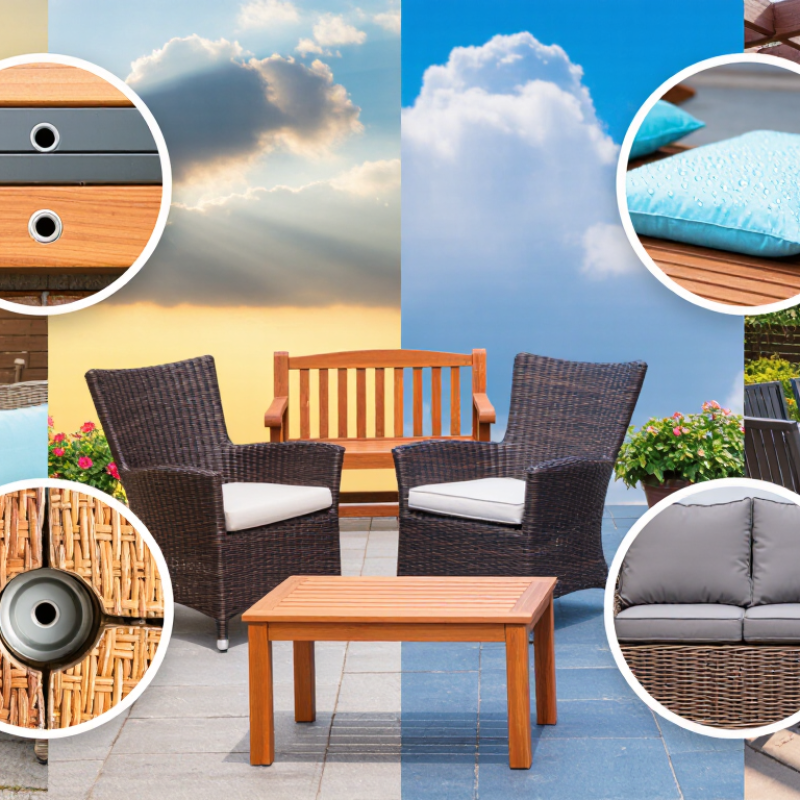
A convincing weave may hide a weak aluminum frame. A thick cushion may retain water after one storm. Experienced buyers should examine resin quality, UV resistance, drainage design, fasteners, and warranty coverage. Reputable manufacturers should provide clear material specifications and realistic care instructions. Vague claims such as “all-weather” need verification.

This guide will connect market evidence with practical inspection. It will compare natural wicker, synthetic resin wicker, aluminum frames, teak, and steel. It will also consider regional weather, household use, storage space, and repairability. A patio set for a dry balcony differs greatly from one exposed to coastal wind.

There is no perfect purchase.

Even carefully tested furniture can fade, loosen, or stain over time. That uncomfortable possibility matters. A thoughtful choice balances appearance today with maintenance, replacement costs, and responsible expectations for tomorrow.
How to Choose Wicker Patio Furniture in 2026?

Understanding Wicker Patio Furniture Types and Materials

How to Choose Wicker Patio Furniture in 2026?

Understanding Wicker Patio Furniture Types and Materials

Wicker describes a weaving style, not one specific material. Natural rattan offers warm texture, light weight, and an authentic handcrafted feel. However, it absorbs moisture and needs sheltered storage. Synthetic wicker usually uses polyethylene resin, often woven over an aluminum frame. It resists rain, sunlight, and everyday spills more effectively. No material is perfect.

Grand View Research valued the global outdoor furniture market at approximately US$45 billion in 2023. Its report also forecasts steady growth through 2030. This expansion reflects demand for comfortable, low-maintenance outdoor spaces. Still, market growth does not guarantee product quality.

Check the frame before admiring the weave. Powder-coated aluminum prevents rust better than ordinary steel. Dense, evenly spaced strands usually indicate stronger construction. Ask about UV testing, drainage, and replacement cushions.

Tips:

Press the seat gently and inspect its return. Wobbling suggests weak joints. Choose solution-dyed fabric for stronger color retention. For coastal homes, prioritize corrosion-resistant frames and stainless-steel fasteners. Measure doorways carefully; wide loungers can become surprisingly difficult to move. I once focused too much on appearance and ignored cushion drying time. That mistake mattered after a week of rain. Read the care instructions, then imagine using the furniture during your least convenient season.
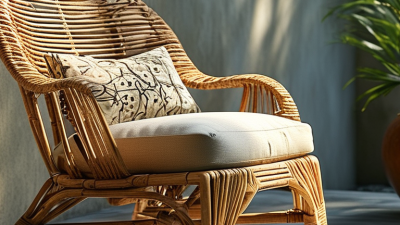
Assessing Your Patio Space, Climate, and Furniture Needs

How to Choose Wicker Patio Furniture in 2026?

Assessing Your Patio Space, Climate, and Furniture Needs

Measure the patio before shopping, including door clearance and walking space. Leave about 30 inches around dining chairs for comfortable movement. A small balcony may suit two narrow chairs and a foldable table. Large patios can handle modular seating, but empty corners still collect dust.

Your climate should guide the wicker material. In humid or rainy areas, synthetic outdoor wicker usually handles moisture better than untreated natural fibers. Strong sunlight can fade weak finishes, so look for UV-resistant materials and breathable cushions. Coastal wind also matters; heavier frames and secure feet reduce movement. I have seen attractive lightweight chairs slide across wet tiles.

Think about how you actually use the space. Families may need washable cushions and rounded edges. If you eat outdoors often, choose a table with a stable surface and enough elbow room. Inspect frame joints, weaving tension, and drainage holes before buying. Sit in each chair for several minutes. Comfort can be surprisingly difficult to judge from photographs.

Do not trust every weatherproof claim. Ask about care instructions, replacement covers, and storage requirements. Even durable wicker needs occasional cleaning and winter protection. I once underestimated afternoon glare and chose cushions that became uncomfortable quickly. That mistake changed how I evaluate shade, fabric, and daily use. A beautiful set is not automatically a practical one.

Evaluating Frame Quality, Weave Strength, and Comfort

How to Choose Wicker Patio Furniture in 2026?

Wicker furniture starts with its hidden frame. Powder-coated aluminum resists rust better than untreated steel in humid settings. Check every weld, corner, and leg connection closely. The chair should not twist when you press one arm downward. ANSI/BIFMA X5.4-2020 includes stability, strength, and durability testing for outdoor seating. Ask whether the product follows comparable testing procedures. A glossy finish proves very little.

The weave needs equal attention. Grand View Research’s 2024 outdoor furniture report forecasts a 5.7% compound annual growth rate through 2030. That growth reflects stronger demand for weather-resistant materials, not guaranteed durability. Run your fingers across several panels. Good synthetic strands feel flexible, tight, and consistent. Brittle edges, loose loops, or sharp cut ends suggest premature failure. ASTM D638 measures plastic tensile strength, but a resin test cannot confirm finished weaving quality. That distinction is easy to miss.

Comfort is more than thick cushions. Sit for ten minutes. Your knees should remain slightly lower than your hips, with firm lower-back support. Cushions should recover after pressure, though very soft foam may flatten quickly outdoors. Look for removable covers, quick drainage, and breathable undersides. I once preferred a tightly woven chair, then noticed its shallow seat caused back fatigue. My first judgment was wrong. Measure the seat depth before trusting appearance. Shade still matters. Even UV-resistant resin can fade faster beside reflective glass or pale concrete. Houzz’s 2024 outdoor trends research also reports continued investment in outdoor living areas, making repairable construction increasingly practical.

Choosing Suitable Styles, Sizes, and Outdoor Features

How to Choose Wicker Patio Furniture in 2026?

Outdoor living demand continues to rise. Grand View Research estimated the global outdoor furniture market at about $20 billion in 2023. Its report projects steady growth through 2030. That growth makes material quality more important, not less. For wicker furniture, choose tightly woven polyethylene resin over a powder-coated aluminum frame. It handles moisture better than natural wicker. Check the product specification for UV resistance, rust protection, and drainage holes. Do not trust appearance alone.

Start with your patio measurements. Leave at least 30 inches for comfortable movement around chairs and tables. A small balcony may suit two slim armchairs and a round table. Larger areas can hold a sectional, but measure door swings first. Many buyers forget this detail. Seat depth also matters. Deep cushions feel luxurious, yet they can overwhelm narrow spaces. Try sitting for five minutes before ordering, if possible.

Outdoor features should match your actual weather. Look for quick-dry foam, removable washable covers, and adjustable feet on uneven paving. The Technavio Outdoor Furniture Market report forecasts more than $8 billion in market growth from 2024 to 2028. Manufacturers are responding with lighter, weather-resistant designs. Still, no wicker set is maintenance-free. I have seen “all-weather” furniture fade beside a hot wall. Use breathable covers, allow cushions to dry fully, and inspect the weave each season. My own preference is practical rather than perfect: fewer pieces, stronger frames, and enough space to clean underneath.

How to Choose Wicker Patio Furniture in 2026?

Typical furniture width ranges help match wicker styles to available outdoor space.

Compact bistro pieces are suitable for balconies and small patios, while lounge chairs and loveseats require more space for comfortable circulation. A four-seat dining table generally needs additional clearance around the table so chairs can be pulled out safely. When comparing wicker furniture, also check UV resistance, water drainage, rust-resistant frames, removable covers, and cushion storage.

Comparing Durability, Maintenance, and Long-Term Value

How to Choose Wicker Patio Furniture in 2026?

Comparing Durability, Maintenance, and Long-Term Value

Choosing wicker patio furniture starts with identifying the weave material. Natural wicker feels warm and handcrafted, but it absorbs moisture and needs sheltered placement. Synthetic resin wicker usually handles sunlight and rain better. Look for tightly woven strands without loose ends, cracking, or uneven gaps. A small sample can reveal more than a showroom display.

The frame matters just as much. Powder-coated aluminum resists rust and keeps the furniture relatively light. Steel may feel sturdier, but exposed scratches can lead to corrosion. Sit on each chair and check for movement at the joints. I have found that a beautiful weave cannot compensate for a weak frame. That lesson is easy to overlook.

Maintenance should fit your routine. Remove dust with a soft brush, then wash the surface using mild soap and water. Avoid harsh cleaners, which can damage protective finishes. Dry cushions completely before storing them, especially after humid weather. UV-resistant fabric costs more, yet faded cushions can make durable furniture look tired. Covered storage can extend service life, but covers need ventilation to prevent trapped moisture. I once underestimated this detail, and mildew appeared beneath a tightly sealed cover. Long-term value depends on repairability too. Replaceable cushions, accessible fasteners, and clear care instructions reduce future costs. A lower initial price may seem attractive, but frequent repairs can quietly erase the savings.