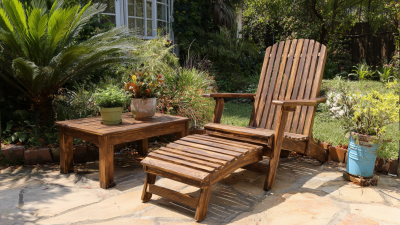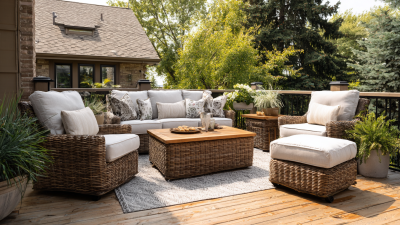
Creating the perfect outdoor space begins with choosing the right furniture. Wooden garden furniture is a timeless choice, adding warmth and charm to any garden. It complements natural surroundings beautifully, making it a favorite among homeowners.
There are many styles of wooden garden furniture available. Each style brings a different feel to your outdoor area. From rustic benches to modern dining sets, the options are vast. However, not all wooden furniture is created equal. Quality matters, as does durability. Consider the type of wood used and its maintenance needs.
Choosing wooden garden furniture can be overwhelming. Reflect on your personal style and how you use your space. Explore various designs and consider how they fit your lifestyle. With careful thought and a bit of research, you can create an inviting outdoor oasis that feels just right.
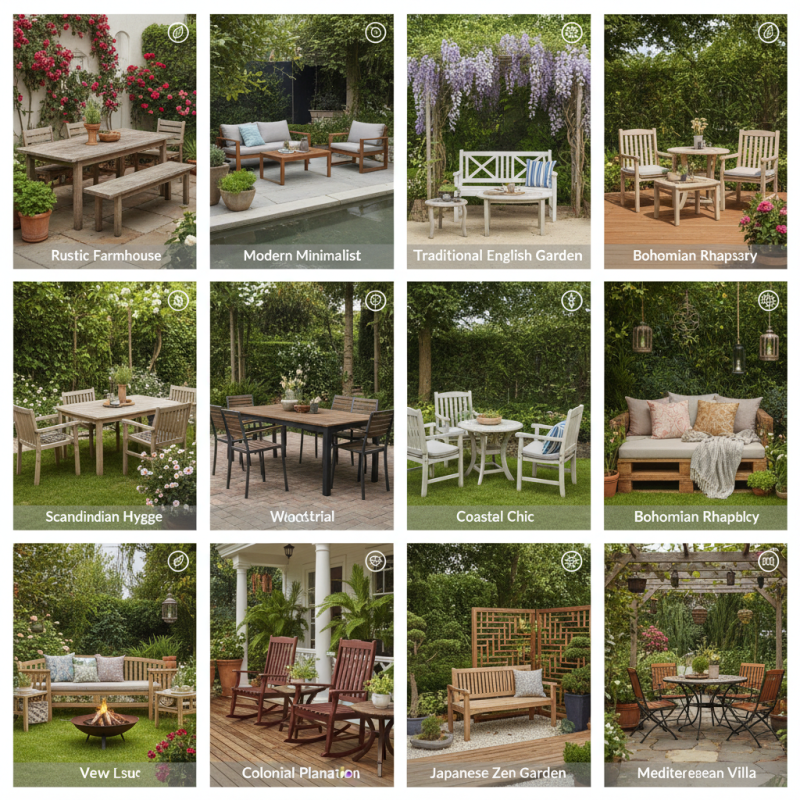
Rustic wooden furniture brings a charming appeal to any garden. Its timeless designs enhance outdoor aesthetics effortlessly. A rustic table made from reclaimed wood creates a natural focal point. Seating can be simple or adorned with cushions for comfort.
When choosing rustic pieces, consider durability. Weather-resistant finishes help preserve the wood. A mix of textures can add character. Pair rough-hewn benches with a smooth dining table for contrast.
Incorporate greenery around your furniture. Potted plants or creeping vines enrich the scenery. Consider using natural stains that accentuate the wood's grain. These subtle touches can create a warm atmosphere. Maintain the furniture regularly. Sanding down rough spots prevents splinters.
| Style | Description | Material | Maintenance | Durability |
|---|---|---|---|---|
| Classic Adirondack | A comfortable, reclining chair ideal for relaxing. | Cedar or pine | Low, requires sealing every few years. | High |
| Rustic Picnic Table | Great for outdoor meals and gatherings. | Teak or hardwood | Moderate, requires cleaning and sealing. | Very high |
| Bench with Backrest | Perfect for sitting and enjoying the garden view. | Acacia or eucalyptus | Low, occasional oiling recommended. | High |
| Wooden Lounge Chair | Stylish seating option for relaxation. | Mahogany or treated pine | Moderate, needs regular upkeep. | Medium |
| Garden Swing | A relaxing addition that enhances outdoor charm. | Cypress or cedar | Moderate, protect with wood finish. | High |
| Wooden Coffee Table | Ideal for drinks and snacks in the garden. | Teak or bamboo | Low, occasional cleaning needed. | Medium to high |
| Wooden Day Bed | Great for sunbathing or reading outdoors. | Teak or redwood | Moderate, cushions need protection. | High |
| Wooden Bar Stool | Perfect for outdoor bars or seating areas. | Acacia or teak | Moderate, clean regularly. | Medium |
| Wooden Garden Shed | A practical storage solution for outdoor equipment. | Pine or cedar | Low, requires paint or stain. | Very high |
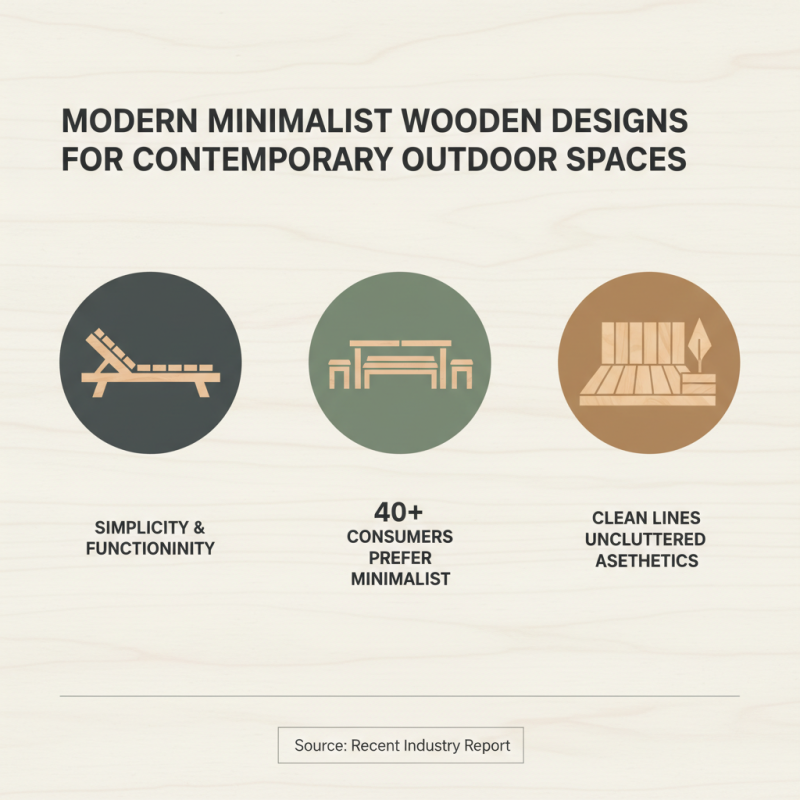
Modern minimalist wooden designs have become increasingly popular for outdoor spaces. Many homeowners seek simplicity and functionality in their furniture choices. According to a recent industry report, over 40% of consumers prioritize minimalist designs when selecting outdoor furniture. This trend reflects a shift towards clean lines and uncluttered aesthetics.
In contemporary gardens, the choice of wood species plays a crucial role. Teak and eucalyptus are favored for their durability and weather resistance. Teak, in particular, is known for its natural oils, which offer excellent protection against moisture. However, its sourcing raises sustainability concerns. Consumers must balance aesthetics with eco-friendliness. Additionally, the maintenance of wooden furniture often requires attention. Regular oiling preserves its beauty but can be time-consuming.
In terms of design, modular pieces offer versatility. They allow homeowners to rearrange settings for entertainment or relaxation. As reported, 55% of users appreciate adjustable arrangements. However, such designs can lack the enduring appeal of traditional styles. Minimalism does not resonate with everyone. Some may prefer ornate details. A thoughtful selection that combines personal taste with practicality is essential for a harmonious outdoor space.
When you have a small garden, maximizing your outdoor space can be a challenge. Versatile wooden furniture can help you achieve this. Consider multi-functional pieces. A bench that doubles as storage is always a smart choice. It keeps your garden tidy while providing additional seating.
Tips: Choose lightweight designs. This allows for easy moving and rearranging. Having movable furniture can help you adapt your space for gatherings or solo relaxation. Look for collapsible tables and chairs as they save space when not in use.
Incorporating wooden furniture also adds warmth and charm. Natural wood blends beautifully with greenery. However, be cautious of choosing untreated wood. It can warp or deteriorate quickly in fluctuating weather conditions. Regular maintenance is vital. Sanding and sealing can extend the life of your furniture, making it a worthwhile investment.
When considering outdoor living, hardwood furniture adds an air of elegance. Renowned for its durability, hardwood is an excellent choice for garden spaces. According to the American Home Furnishings Alliance, 70% of consumers prefer wood furniture for outdoor use due to its natural aesthetic and longevity.
Teak and eucalyptus are among the most popular hardwood options. Teak wood is resistant to water and pests. This makes it perfect for varied climates. Eucalyptus, while slightly less expensive, offers great strength and is often used to create chic designs. These woods can withstand wear and tear, ensuring they remain stunning for years.
However, selecting hardwood furniture is not without challenges. Maintaining these pieces requires regular care. Neglect could lead to weathering or fading. Some buyers may overlook the significance of proper treatment and maintenance. Investing in hardwood demands not just an upfront cost but a commitment to upkeep. Consider the balance between style and function, ensuring your outdoor space is both beautiful and sustainable.
Creating a sustainable outdoor space often begins with the choice of materials. Reclaimed wood stands out as an excellent option. According to the Environmental Protection Agency, reclaiming wood can prevent the release of 3.4 metric tons of carbon dioxide for every ton of reused wood. This factor alone emphasizes its eco-friendliness.
Reclaimed wood furniture has unique characteristics. Each piece tells a story with its own weathered texture and natural color variations. This allows for personalized designs that harmonize well with nature. While many manufacturers prioritize aesthetics, it’s vital to question sourcing. Not all reclaimed wood is created equal. Always seek wood certified by bodies such as the Forest Stewardship Council (FSC), ensuring responsible reclamation practices.
Wooden garden furniture offers durability but comes with its challenges. Weathering can affect its longevity, requiring regular maintenance. Many people ignore this, leading to quicker deterioration. Sustainability also means considering the end-of-life options for furniture. Investing in high-quality reclaimed wood options ensures they can be repurposed or recycled. Thus, when choosing furniture, reflect on both its production and lifecycle. Consider the environmental impact carefully.