Leave Your Message

How to Choose Rattan Garden Furniture in 2026?

Choosing Rattan Garden Furniture in 2026 requires more than matching cushions to a patio wall. Outdoor designer Kenneth Cobonpue, known for his innovative rattan work, says, “Design should respect nature and the people who make it.” This principle gives buyers a practical starting point. Look for responsibly sourced materials, traceable manufacturing, and skilled hand-weaving. A beautiful chair should also reveal careful construction.

Examine the frame closely. Powder-coated aluminum resists outdoor corrosion and keeps furniture relatively light. Natural rattan offers warmth and character, but it needs sheltered placement. Synthetic polyethylene rattan usually handles sunlight and occasional rain better. Check the weave beneath the seat, where weak tension often appears first. Sit down and listen for creaking. Small details matter.

Measure the space before buying. Leave enough room to pull out chairs without scraping walls or planters. Deep cushions may feel luxurious, yet they can trap moisture after evening rain. Removable, quick-drying covers are more practical for busy households. Confirm whether replacement covers, feet, and repair services remain available.

Do not trust every “all-weather” label. Ask about UV testing, drainage, warranty terms, and cleaning instructions. Certifications can support responsible sourcing, but they still deserve verification. A low price may reflect thin frames, weak coatings, or difficult repairs. I have learned that appearance can hide compromise. One choice may still disappoint.

The right Rattan Garden Furniture should feel comfortable, stable, repairable, and suited to your local climate. It should age with dignity, not become a seasonal burden. This guide explores the details that help buyers choose with confidence in 2026.

How to Choose Rattan Garden Furniture in 2026?

What Rattan Garden Furniture Is and How It Has Evolved by 2026

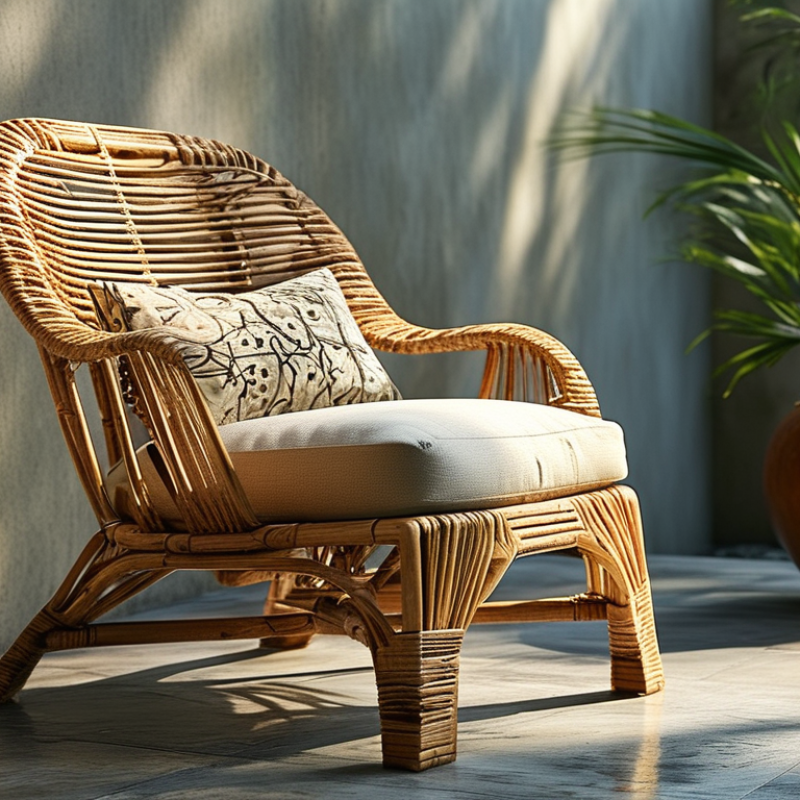
Rattan garden furniture began with natural cane, valued for its warm color and flexible woven texture. However, natural rattan absorbs moisture and needs sheltered conditions. By 2026, outdoor furniture usually uses synthetic rattan, made from weather-resistant resin strands. It imitates traditional weaving while offering better resistance to rain, sunlight, and temperature changes.

The biggest evolution is beneath the weave. Modern pieces often combine synthetic rattan with powder-coated aluminum frames. This reduces rust and makes moving chairs easier. Look closely at the frame joints, drainage gaps, and weave tension. Loose strands may worsen after repeated use. UV protection also matters, because fading can appear unevenly on exposed edges. I once assumed thicker strands always meant better quality. That was too simple. Good construction depends on the whole structure, not appearance alone.

Tips: Choose furniture with a stable, lightweight frame and tightly finished edges. Test a chair on a flat surface before buying. Check whether cushions have removable, quick-drying covers. Ask about UV resistance and cleaning instructions. Avoid placing natural rattan directly on wet ground. Even synthetic materials are not maintenance-free. Wipe away dirt regularly, and cover furniture during long periods of harsh weather.

Which Rattan Materials and Frame Types Best Suit Your Garden

How to Choose Rattan Garden Furniture in 2026?

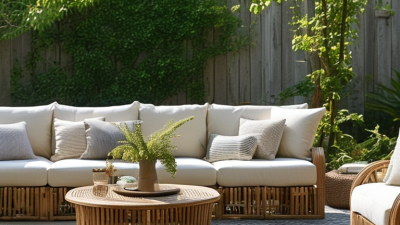
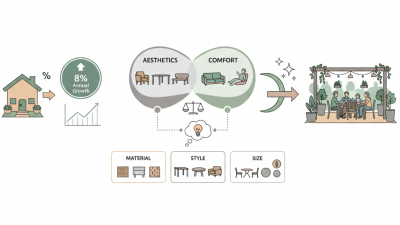
Rattan material and frame construction should match your garden’s weather, not only its appearance. Grand View Research forecasts the global outdoor furniture market to grow at about 5% annually through 2030. This growth reflects stronger demand for durable, low-maintenance materials. Synthetic PE rattan usually performs better than natural rattan outdoors. It resists moisture, sunlight, and daily cleaning. Natural rattan feels warmer, but it needs covered storage and careful sealing. Check the weave closely. Tight, even strands should not split when lightly pressed.

The frame matters just as much. Powder-coated aluminium suits rainy gardens and coastal air because it is light and naturally rust-resistant. Galvanised steel provides stronger support for large sofas, but damaged coating can expose the metal. The Freedonia Group’s outdoor furniture analysis continues to identify metal and resin-based materials as major commercial categories. That trend is useful, but reports cannot predict your garden’s exact conditions. I once chose a heavy steel set for windy weather. It stayed stable, yet moving it became frustrating.

Tips: Lift one chair before buying. Check drainage holes beneath cushions. Ask for UV-resistance testing, frame-wall thickness, and replacement covers. A slightly raised base helps prevent puddles after storms. Avoid very cheap rattan with brittle, glossy strands. It may look attractive for one season. No material is flawless. Consider shade, salt exposure, children, and storage space before choosing the frame.

How to Match Furniture Size, Shape, and Style to Your Outdoor Space

How to Choose Rattan Garden Furniture in 2026?

How to Match Furniture Size, Shape, and Style to Your Outdoor Space

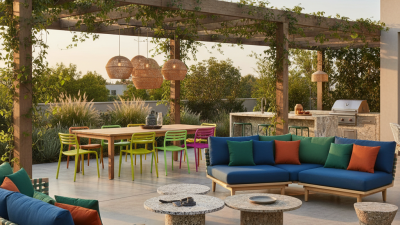
Measure your outdoor area before choosing rattan furniture. Leave at least 90 centimetres for comfortable walking paths. A large sofa can overwhelm a narrow balcony. A compact bistro set may suit it better. I once placed a deep chair beside a sliding door, and the door became awkward to use. Measure twice. Include door swings, steps, planters, and drainage points in your sketch.

Match the furniture shape to the space’s natural lines. Round tables soften square patios and encourage conversation. Rectangular tables often work better beside walls or long decks. For uneven gardens, modular seating allows more flexible arrangements. Check seat height carefully, especially near dining tables. Materials should suit local exposure, too. Covered areas need less weather resistance than fully open patios. Look for durable frames, quick-drying cushions, and secure feet.

Tips: Keep 60 centimetres between chairs when possible. Test the layout with cardboard boxes first. Compare furniture dimensions with your body, not only a floor plan. Style should support the setting. Natural textures suit planting-heavy gardens, while cleaner lines fit modern paving. Avoid matching every item perfectly; a small contrast can make the space feel lived-in. I still find that photographs can mislead, because scale often appears smaller outdoors.

Which Comfort, Weather-Resistance, and Safety Features Matter Most

How to Choose Rattan Garden Furniture in 2026?
Which Comfort, Weather-Resistance, and Safety Features Matter Most

Comfort begins with support, not decoration. Sit for several minutes and check whether your lower back feels strained. A seat height of about 40–45 centimetres suits many adults, but body shape still matters. Look for firm, resilient cushions with washable covers and breathable fabric. Thick padding can feel luxurious at first. It may also hold moisture after rain.

For exposed gardens, synthetic rattan made with UV-stabilized material usually offers more consistent performance than natural rattan. Check the frame beneath the weave. Powder-coated aluminium resists rust, while sealed joints reduce water entry. Drainage holes under cushions are useful after sudden showers. Do not trust “all-weather” wording alone. Ask for documented UV, corrosion, or water-resistance testing where available. Even strong furniture needs maintenance, which is easy to underestimate.

Safety deserves a hands-on inspection. The chair should remain stable when you lean sideways or stand up. Check the stated load capacity, non-slip feet, rounded edges, and tightly finished weave ends. Tables with glass tops should use safety glass and secure fittings. Keep moving parts away from children’s fingers. A low sofa may look elegant, yet it can become unstable on uneven paving. Measure the surface carefully, because a beautiful set placed too tightly can create trips and blocked walkways.

How to Choose Rattan Garden Furniture in 2026? - Which Comfort, Weather-Resistance, and Safety Features Matter Most

Practical buying benchmarks for outdoor rattan-style furniture. Values are general guidance rather than brand-specific ratings.
Decision Dimension Recommended Benchmark Why It Matters What to Check Before Buying
Material Type Best for outdoor use
UV-stabilised synthetic wicker, commonly made from polyethylene or another outdoor-grade polymer.
Synthetic wicker generally handles moisture and sunlight better than untreated natural rattan. Natural rattan is better suited to covered, dry locations unless the manufacturer gives clear outdoor-care instructions. Confirm the weave is described as outdoor-grade and UV-stabilised. Avoid relying on the word “rattan” alone, because it may refer to either natural rattan or synthetic wicker.
Frame Construction Durability priority
Powder-coated aluminium is usually a strong choice for outdoor frames because it is lightweight and does not rust like ordinary steel.
The frame carries the main structural load. Aluminium can resist corrosion, while steel may require reliable protective coating and prompt care after scratches or coating damage. Look for even welds, capped tube ends, stable joints, and a finish without exposed bare metal. Ask whether steel parts are galvanised or corrosion-protected.
Seat Height Comfort range
Approximately 40–48 cm from the floor to the compressed seat surface for many dining and lounge users.
A suitable seat height helps users sit down and stand up without excessive knee or hip strain. The ideal height still depends on body size and table height. Measure the seat with the cushion compressed. Check that the table provides comfortable leg clearance and that armrests can slide beneath it if required.
Seat Depth and Support Relaxed seating
About 45–60 cm of usable seat depth, with firm but supportive cushioning and a stable back angle.
Very shallow seats may feel restrictive, while excessive depth can leave shorter users without adequate back support. Cushion firmness affects posture and ease of standing. Sit for several minutes. Ensure feet can rest comfortably on the floor, the lower back is supported, and the frame does not press against the thighs.
Cushion Fabric Outdoor performance
Solution-dyed or otherwise outdoor-rated fabric with removable, washable covers and quick-draining foam where available.
Outdoor-rated fabrics resist fading and moisture better than ordinary indoor textiles. Removable covers make cleaning easier, but no cushion should be treated as permanently waterproof unless specifically tested and stated. Look for care instructions, a concealed or corrosion-resistant zipper, breathable construction, and cushions that can be stored dry during prolonged rain.
UV Resistance Sun exposure
Clear evidence of UV stabilisers or an outdoor UV-resistance specification for both wicker and fabric.
Ultraviolet exposure can fade fabric, embrittle plastics, and reduce the service life of low-quality synthetic wicker. UV resistance slows deterioration but does not eliminate it. Ask for the relevant test method or warranty terms where available. Use a breathable cover or shade during long periods of direct sun.
Rain and Moisture Management Wet-weather readiness
Open-weave drainage, elevated feet, non-absorbent frame materials, and cushions that can be removed and dried.
Standing water encourages mildew, stains, corrosion, and freeze-related damage. Good drainage is more useful than a claim that the entire item is “waterproof.” Inspect drainage gaps, seat-board ventilation, foot design, and areas where water could collect. Dry cushions fully before storage or reuse.
Wind Stability Safety priority
A broad, stable base and a design suitable for the local wind conditions; movable pieces may need anchoring or indoor storage.
Lightweight aluminium furniture can be easy to move but may be more vulnerable to strong gusts. Loose furniture can damage property or injure people. Test for rocking on a level surface. Use approved anchors where appropriate, secure modular sections, and store lightweight cushions during windy weather.
Load Capacity Structural confidence
A clearly stated tested load limit for each chair, bench, and sofa section, with a safety margin for normal use.
Load capacity depends on the frame, joints, seat supports, and how the load is distributed. A sofa rating should not automatically be divided among seats without confirmation. Find the capacity in the assembly or safety documentation. Do not exceed it, stand on seats, or use furniture for activities outside its intended purpose.
Seat and Back Support Long-term comfort
Evenly tensioned support, no sharp frame edges, and a back angle that supports an upright or relaxed posture.
Uneven support can create pressure points and premature sagging. Smooth transitions reduce discomfort and the risk of snagging clothing or skin. Run a hand along accessible edges, inspect the underside, and sit in every seating position. Check that woven strands are tight and consistent.
Safety of the Weave User protection
Tightly finished edges, secure end points, and no loose strands, sharp staples, or exposed fasteners.
Poorly finished synthetic or natural fibres can snag skin and clothing. Loose strands may unravel or become a trip or entanglement hazard. Inspect corners, armrests, underside panels, and connection points. Reject pieces with brittle, splintered, protruding, or visibly loose material.
Glass Tabletop Safety Table safety
Tempered safety glass that is securely retained by suitable pads, clips, or a designed support system.
Tempered glass is designed to break into smaller granular pieces rather than large sharp shards if it fails, although it still requires careful handling and inspection. Confirm the glass is labelled or documented as tempered. Check for chips, cracks, movement, unstable supports, and exposed sharp edges before use.
Chemical and Fire Awareness Responsible use
Clear care information, no unauthorised harsh chemicals, and placement away from open flames, grills, heaters, and ignition sources.
Solvents, abrasive cleaners, and excessive heat can damage synthetic wicker, coatings, fabrics, and adhesives. Outdoor furniture is not automatically fireproof. Follow the supplied cleaning instructions. Keep furniture at a safe distance from flames and heat sources, and never burn or melt synthetic wicker.
Maintenance Requirements Lower upkeep
Routine dust removal, mild soapy water, thorough rinsing, and complete drying; protective covers should remain breathable.
Regular cleaning removes dirt and pollutants that can retain moisture or accelerate surface wear. Breathable protection helps reduce condensation and mildew. Choose designs without difficult-to-clean water traps. Check whether cushions, covers, and replacement parts are available for long-term maintenance.
Cold-Weather Storage Seasonal protection
Store cushions indoors and protect or relocate furniture during freezing conditions, heavy snow, storms, or extended wet periods.
Water trapped in materials can expand when frozen, while repeated temperature changes may stress coatings, joints, and woven components. Use a dry, ventilated storage area. Do not drag furniture across rough ground, and remove snow rather than allowing heavy accumulation on frames.
Repairability and End-of-Life 2026 value check
Replaceable cushions, covers, feet, fasteners, and modular sections where practical.
Repairable components can extend useful life and reduce the need to replace an entire set after one damaged part. Ask about spare parts, repair instructions, material identification, and local recycling options for aluminium, steel, fabric, and polymer wicker.

Quick selection rule: For most uncovered gardens, prioritise UV-stabilised synthetic wicker, a corrosion-resistant frame, effective drainage, removable outdoor cushions, secure construction, and a clearly stated load capacity. Treat “water-resistant” as protection from normal exposure—not permission to leave cushions or furniture in standing water.

Use and care note: Always follow the product’s assembly, load, cleaning, anchoring, and storage instructions. Local climate, exposure, installation quality, and maintenance can significantly affect actual service life.

How to Compare Quality, Sustainability, Price, and Long-Term Care

When choosing rattan garden furniture in 2026, inspect quality before admiring its colour. In practical inspections, loose weaving often reveals poor tension and weak construction. Check every joint, especially beneath the armrests. A sturdy aluminium or treated hardwood frame should feel stable, not hollow. Look for even gaps, smooth edges, and cushions with removable, quick-drying covers. Synthetic rattan usually handles rain and sunlight better than untreated natural rattan. However, natural rattan can suit covered, ventilated patios beautifully.

Sustainability needs evidence, not attractive wording. Ask where the rattan was harvested and whether suppliers can provide traceability documents. The UN Environment Programme reported that global resource extraction has tripled since 1970. Longer product life therefore matters. Choose replaceable cushions, repairable weaving, recycled content, and finishes with lower chemical emissions. The U.S. Environmental Protection Agency recorded 12.1 million tons of furniture and furnishings in municipal waste in 2018. That figure made me reconsider cheap seasonal furniture. A low price can become expensive after one wet winter. Compare the five-year cost, including covers, repairs, storage, and replacement cushions.

Tips: Sit on each chair for several minutes. Test whether the frame twists. Press the weave gently. It should recover without sharp cracking. Request UV-resistance and load-test information, but treat vague promises carefully. Clean dust with a soft brush, wipe spills quickly, and keep cushions dry. Store furniture under breathable covers, not sealed plastic. I once underestimated balcony humidity; mould appeared beneath a cushion within weeks. Better ventilation would have prevented it.