Leave Your Message

How to Choose Modern Outdoor Furniture for Your Space?

Choosing Modern Outdoor Furniture is no longer only a matter of matching colors. It requires practical judgment about climate, space, comfort, and long-term performance. Grand View Research identifies outdoor furniture as a growing global market, supported by rising interest in residential outdoor living and home improvement. However, market growth does not guarantee a suitable purchase. A stylish sofa may fade quickly on an exposed balcony.

Professional selection begins with the environment. Measure the usable area, including walking paths and door clearance. Check sunlight, wind direction, rainfall, and seasonal temperature changes. The American Society of Interior Designers emphasizes that functional planning should support movement, comfort, and the way people actually use a space. That advice matters beside a small dining table, where oversized chairs can make circulation awkward. Houzz’s outdoor living research also shows continued homeowner investment in patios, decks, and gardens. People increasingly treat these areas as extensions of the home.

Material knowledge improves reliability. Powder-coated aluminum is lightweight and resists corrosion, while teak develops a silver-gray surface without regular staining. Solution-dyed performance fabrics usually offer stronger color retention than ordinary textiles. Still, no material is maintenance-free. I have seen attractive cushions deteriorate because water remained trapped beneath them. That detail is easy to miss. A careful guide must also admit uncertainty: regional weather, manufacturing quality, and personal maintenance habits change the result. The best Modern Outdoor Furniture choice balances evidence with daily reality, creating an outdoor setting that feels inviting, stable, and honestly suited to its location.
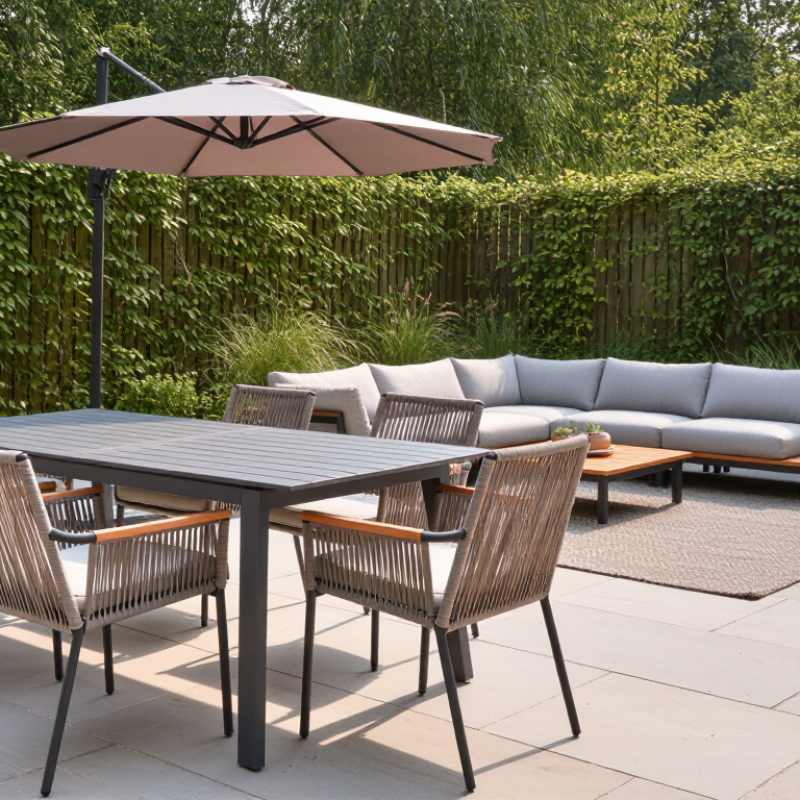
How to Choose Modern Outdoor Furniture for Your Space?

Define Your Outdoor Space and Furniture Needs

Define the outdoor space before choosing furniture. Measure the usable floor area, door swings, steps, shade, and drainage. A narrow balcony needs a different plan from a deep garden terrace. Leave at least 36 inches for comfortable circulation. More space is not always better.

The American Society of Landscape Architects’ 2023 residential trends survey listed outdoor living spaces among the most requested features, at about 66 percent. That demand reflects real behavior, not just decoration. Decide how you will use the area: quiet coffee, family meals, remote work, or evening conversation. Count regular users, then allow room for occasional guests. A small bistro table may suit two people, while modular seating can adapt to six.

Weather changes the calculation. The U.S. Environmental Protection Agency recommends using shade and vegetation to reduce heat around buildings. Place seating beneath a canopy, tree, or adjustable umbrella when possible. Check wind direction before selecting lightweight pieces. Test chair height and table clearance in person; attractive proportions can feel awkward after an hour. I once underestimated afternoon glare, and the seating became nearly unusable. That mistake still matters. Choose materials according to local moisture, sunlight, and maintenance time, rather than appearance alone. Houzz’s 2024 outdoor trends coverage also shows strong homeowner interest in functional outdoor rooms, supporting a practical, use-led approach.
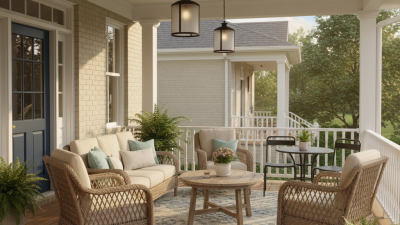
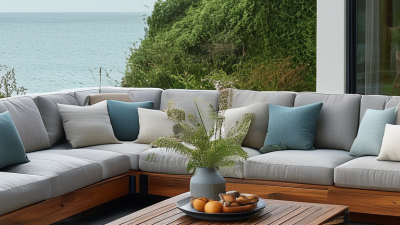
Choose Materials for Weather Resistance and Long-Term Use

Outdoor furniture should survive your local weather, not just look attractive on delivery day. NOAA recorded 28 billion-dollar weather disasters in the United States during 2023, causing about $92.9 billion in damage. That figure is a useful reminder: wind, rain, heat, and hail can test every outdoor material.

For wet climates, powder-coated aluminum resists rust and remains relatively light. Stainless steel offers stronger corrosion resistance, especially near saltwater, but it still needs regular cleaning. Teak handles moisture well because of its natural oils, although it can crack or silver without maintenance. The USDA Forest Products Laboratory’s Wood Handbook explains that changing moisture levels cause wood to swell and shrink. Leave drainage gaps beneath wooden surfaces. Small details matter.

Salt air wins. Sometimes.

For cushions, choose quick-drying foam and solution-dyed fabric with documented UV resistance. The American Society for Testing and Materials provides accelerated weathering methods, including ASTM G154, for evaluating fading and surface deterioration. Test results do not perfectly reproduce your patio, however. I would still inspect seams, fasteners, and underside drainage before buying. A durable frame with poor fabric can fail early. Likewise, a premium material may disappoint when water remains trapped beneath it. Check the manufacturer’s care instructions, local humidity, winter temperatures, and available storage space. Industry market research from Grand View Research places the global outdoor furniture market above US$20 billion, reflecting strong demand, but popularity should not replace practical material testing.

Match Furniture Styles, Colors, and Sizes to Your Space

How to Choose Modern Outdoor Furniture for Your Space?

Choosing outdoor furniture starts with your space, not a catalog. Measure the patio length, walking clearance, and door swing before shopping. A compact balcony may suit two slim chairs and a round table. A deep terrace can handle a sectional, but leave at least 30 inches for movement. I once underestimated a chair’s arm width. The layout felt cramped. That mistake changed how I measure.

Match the furniture style with your home’s architecture and surroundings. Clean-lined pieces complement modern walls, while woven textures soften hard concrete. Use the landscape as a color guide. Warm sand, charcoal, and muted green often sit comfortably beside stone and plants. Strong colors can work, but repeat one accent in cushions or pottery. Consider sunlight, too. Dark surfaces may look heavy and feel hotter. Samples can change between noon and dusk.

Tips: Draw the space on paper and mark each furniture footprint. Test the arrangement with cardboard before buying. Keep pathways clear, especially near doors and grills. Check seat height against the table, and choose materials suited to rain, dust, and direct sun. Comfort still matters more than a perfect look. Some stylish chairs are simply too deep for everyday use. Reflect on how you actually relax outdoors, then adjust the layout around that habit.

How to Choose Modern Outdoor Furniture for Your Space?

Match furniture styles, colors, and sizes to the available outdoor area.

The planning areas are practical estimates based on typical furniture dimensions plus space for comfortable movement. Use a bistro set for compact patios, lounge seating for medium areas, and larger dining or sectional layouts only when sufficient circulation space is available. Neutral colors visually expand small spaces, while darker or contrasting colors work well as accents in larger outdoor rooms.

Plan Comfort, Functionality, and Flexible Seating Arrangements

Choosing modern outdoor furniture starts with observing how your space is actually used. Measure walking routes, door swings, shade, and the distance from cooking areas. A beautiful sofa becomes frustrating when guests must squeeze past it. I usually leave at least 90 centimeters for main circulation, though compact balconies may require less.

Comfort should survive changing weather and changing plans. Choose cushions with firm support, breathable covers, and quick drainage. Test seat depth before buying; deep seating can feel luxurious but may strain shorter users. Add a small table beside every main seat. People need somewhere for drinks, books, or wet sunglasses. Shade matters too. An umbrella, pergola, or movable screen can extend afternoon use, but wind exposure deserves careful attention.

Flexible seating lets one arrangement serve quiet mornings and crowded dinners. Combine a compact sofa with lightweight chairs, stools, or stackable pieces. Keep heavier furniture where it feels stable, and moveable seats near the edges. I once planned too many chairs for a narrow terrace, leaving no room for bags or movement. That mistake changed my approach: count people, activities, and storage space together. Outdoor furniture should adapt without becoming a daily chore.

How to Choose Modern Outdoor Furniture for Your Space?

Plan Comfort, Functionality, and Flexible Seating Arrangements

Furniture Type Typical Dimensions Best Space Comfort Planning Primary Function Flexible Arrangement Clearance Needed Care Priority
Compact Dining Set Table: 30–36 in. wide × 42–60 in. long
Seats: 2–4 people
Balconies, patios, and small decks Choose chairs with supportive backs and about 18–20 in. seat height. Everyday meals, coffee, and casual work outdoors Use stackable or folding chairs that can be stored when not needed. Allow at least 36 in. behind each chair for comfortable movement. Easy storageUV protection
Extendable Dining Table Closed: 60–72 in. long
Extended: 84–108 in. long
Seats: 6–10 people
Medium and large patios Keep table height near 28–30 in. and pair it with chairs that provide lumbar support. Family dining and outdoor entertaining An extension leaf supports smaller daily setups and larger gatherings. Plan for approximately 42–48 in. around the table when fully occupied. Stable baseEasy-clean surface
Outdoor Lounge Sofa Length: 72–96 in.
Depth: 32–40 in.
Seat height: 16–20 in.
Covered patios, decks, and poolside seating areas Look for cushions at least 4 in. thick and a seat depth of about 20–24 in. Relaxing, reading, and conversation Combine with movable lounge chairs or an ottoman to create multiple layouts. Leave 24–36 in. for walking routes in front of the sofa. Quick-dry cushionsRemovable covers
Modular Sectional Two-piece: about 70–90 in. per side
Three-piece: about 90–120 in. per side
Large patios and open terraces Select deep seating only when users have room to recline comfortably. Group seating, entertaining, and relaxed lounging Reconfigure into an L-shape, straight sofa, or separate chairs as needs change. Maintain a 30–36 in. circulation path around the configuration. ConnectorsWeather-resistant fabric
Lounge Chair Width: 26–32 in.
Depth: 30–38 in.
Seat height: 16–20 in.
Reading corners, balconies, and mixed seating areas A slightly reclined back and arms improve comfort during longer use. Individual seating and visual balance Place in pairs, angle toward a sofa, or move beside a side table. Allow approximately 24 in. beside the chair for entry and exit. Lightweight frameCushion drainage
Counter-Height Dining Set Table height: 34–36 in.
Stool seat height: 24–27 in.
Seats: 2–6 people
Outdoor kitchens, bars, and narrow entertaining zones Provide footrests and select stools with backs for longer meals. Drinks, quick meals, and socializing Stools can tuck under the table to preserve floor space. Leave about 24 in. of width per seated person. Footrest comfortRust resistance
Bistro Table and Chairs Table diameter: 24–30 in.
Seats: 2 people
Small balconies, entry terraces, and compact courtyards Use chairs with a seat height near 17–19 in. for standard table height. Coffee, breakfast, and quiet conversation Lightweight pieces can be repositioned or folded for flexible use. Keep at least 30 in. of open space around the set where possible. FoldableLow footprint
Ottoman or Outdoor Pouf Width: 18–24 in.
Height: 15–18 in.
Lounging areas and modular seating groups Match the height to the sofa seat for comfortable leg support. Footrest, extra seat, or temporary side table Move it between seating groups or use several as informal stools. Allow 12–18 in. between the ottoman and lounge seat. LightweightWater drainage
Adjustable Chaise Lounge Width: 24–30 in.
Length: 72–84 in.
Pool decks, sunny terraces, and spacious gardens Choose several backrest positions and a supportive, breathable cushion. Sunbathing, reading, and reclining Use individually or arrange side by side for shared relaxation. Allow at least 24 in. beside the chaise and 36 in. at the foot. Adjustable backFade resistance
Storage Bench Length: 42–72 in.
Depth: 18–24 in.
Seat height: 17–20 in.
Entry patios, balconies, and multipurpose spaces Add a 2–4 in. cushion and a backrest when the bench will be used frequently. Seating plus storage for cushions or accessories Place against a wall, use at a dining table, or separate for extra seating. Keep the lid and access area clear; provide 30–36 in. in front. Ventilated storageSecure lid
Planning reference: Measure the usable floor area before purchasing. Keep doors, grills, steps, and drainage paths unobstructed, and confirm that every piece can be moved through the access route.

Set a Budget and Evaluate Quality Before Buying

How to Choose Modern Outdoor Furniture for Your Space?

Set a Budget and Evaluate Quality Before Buying

A clear budget keeps outdoor furniture shopping practical. Measure your patio first, including walkways and door clearance. I once bought a wide lounge chair without checking the balcony entrance. It looked perfect online but barely passed through the door. Leave room for delivery costs, cushions, covers, and seasonal storage. These small expenses can change your original estimate.

Quality deserves more attention than appearance. Inspect the frame, joints, fasteners, and surface finish. Powder-coated metal should look even, without bubbling or exposed edges. For wooden furniture, check whether the material is treated for moisture and sunlight. Sit on each chair and notice movement, noise, and balance. Test the table at its actual height. Comfort is easy to underestimate. Very firm cushions may feel supportive for ten minutes, then become tiring. I learned this after choosing style over daily comfort.

Ask how the furniture handles rain, strong sunlight, and temperature changes. Reliable sellers should provide clear care instructions and material details. Avoid claims that sound absolute, such as “maintenance-free.” Outdoor products still need cleaning, drying, and occasional tightening. A lower-priced set can work well in a covered space, while exposed areas usually require stronger construction. Compare warranties carefully, but remember that a long warranty cannot fix poor comfort or unsuitable dimensions.