How to Choose the Best Outdoor Furniture for Your Home?
Choosing the right outdoor furniture can transform your space. This is more than just a purchase; it's an investment in comfort and style. Outdoor furniture needs to withstand weather and usage while enhancing your lifestyle.
Consider the material carefully. Wood, metal, and synthetic options vary in durability and maintenance. For example, teak is beautiful but costly. Aluminum is lightweight and weather-resistant. Each choice has its pros and cons. Your decision should match your personal needs.
The design matters, too. Think about the shape and arrangement. Will it accommodate family gatherings? Will it fit in your garden or patio? Reflect on these details before making a choice. The right outdoor furniture elevates your outdoor experience, creating a relaxing atmosphere.
Factors to Consider When Selecting Outdoor Furniture Materials
Choosing the right materials for outdoor furniture involves several key factors. Durability is paramount. Look for materials that withstand the elements. Teak, aluminum, and synthetic wicker are often recommended. They resist rust, rot, and fading. However, the initial cost can be high. Weigh the investment against longevity.
Climate plays a vital role in your decision. In humid areas, some wood types may warp. Metal can become too hot under direct sunlight. If you live in a rainy region, consider moisture-resistant finishes. Test the comfort of your chosen fabric too. Cushions should be made of water-resistant materials.
Maintenance is another consideration. Some materials require frequent care, while others are low-maintenance. Real wood may need sealing. Aluminum can be wiped clean. It's easy to overlook these aspects during the selection process. Reflect on your lifestyle and how much time you can devote to caring for your outdoor space. Your choices should align with both aesthetics and practicality.
Understanding Different Styles of Outdoor Furniture
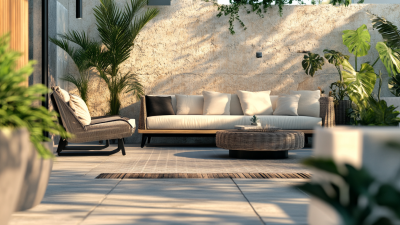
When selecting outdoor furniture, understanding the various styles is essential. Modern designs often feature sleek lines and minimalist aesthetics. They work well in contemporary settings, creating a sophisticated atmosphere. Consider materials like aluminum or synthetics, which resist rust and fading.
Traditional styles evoke warmth and charm. Wooden furniture, especially from teak or cedar, adds a classic touch. These pieces can age beautifully, but they require maintenance. Look for cushions in vibrant fabrics to complement natural wood. The contrast can elevate your outdoor space.
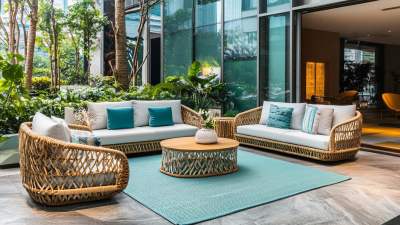
Rustic furniture offers a cozy feel. Wicker or bamboo options bring an organic vibe to gardens or patios. Though appealing, they may not withstand harsh weather. Evaluate your environment before deciding. Is the area shaded or exposed? This factor influences durability and comfort. Keep these elements in mind to create an inviting outdoor area.
Assessing Your Outdoor Space and Needs for Furniture
When assessing your outdoor space, begin by taking detailed measurements. Consider how much area you have available for furniture. Is it a small balcony or a spacious patio? Identify the layout and natural features like trees and flower beds. These elements will affect your furniture choices.
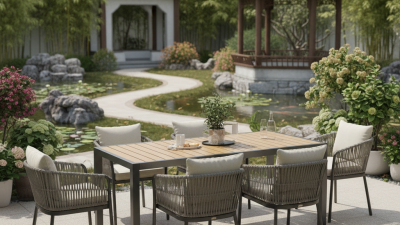
Next, think about how you use your outdoor space. Is it for entertaining guests, relaxing with a book, or dining al fresco? Each function requires different types of furniture. If you often host gatherings, large seating options are necessary. For quiet moments, a comfortable lounge chair can be perfect. Reflect on your needs. Sometimes, a versatile piece can serve multiple purposes, saving space and adding value.
Lighting also plays a key role in outdoor spaces. Evaluate the natural light during different times of the day. Consider adding lanterns or string lights for ambiance. Just remember, style shouldn't overshadow comfort and practicality. Balancing these aspects can lead to a harmonious environment. Choosing the right furniture involves more than just aesthetics. It requires thoughtful consideration of your unique outdoor lifestyle.
Evaluating Comfort and Durability in Outdoor Furniture Choices
When selecting outdoor furniture, two key elements stand out: comfort and durability. Comfort is subjective but essential. An inviting patio chair should give you the right support without straining your back. Try sitting on different styles. Feel the materials and cushion thickness. A visually appealing piece might not suit your needs if it feels stiff or awkward.
Durability is another crucial aspect. Weather-resistant materials can withstand harsh sun or rain. Metal, teak, and synthetic resins often boast longevity. However, even the best materials can degrade over time. Regular maintenance is vital for longevity. Ask yourself if you’re prepared to invest in upkeep. Sometimes, aesthetics can draw you in, but function should not take a back seat. Identify your priorities before making a choice.
Remember, the perfect outdoor setting requires a balance. Comfort enhances relaxation, while durability ensures longevity. Reflect on your lifestyle and usage patterns. This will guide your selection process. The right pieces should make your outdoor space a sanctuary, not just a decorative afterthought.
How to Choose the Best Outdoor Furniture for Your Home? - Evaluating Comfort and Durability in Outdoor Furniture Choices
| Furniture Type |
Comfort Rating (1-10) |
Durability Rating (1-10) |
Weather Resistance |
Maintenance Level |
| Wooden Dining Set |
8 |
7 |
Moderate |
High |
| Wicker Lounge Chairs |
9 |
6 |
High |
Low |
| Metal Patio Set |
7 |
9 |
Very High |
Medium |
| Aluminum Umbrella |
8 |
8 |
High |
Low |
| Concrete Fire Pit |
6 |
10 |
Very High |
Medium |
Budgeting for Quality Outdoor Furniture Purchases
When budgeting for quality outdoor furniture, consider long-term value rather than initial costs. A 2020 survey by FurnitureToday indicated that 70% of consumers prioritize durability when making outdoor furniture purchases. This means selecting materials that withstand weather conditions can save you money in the long run.
Investing in weather-resistant materials like aluminum or teak can provide both longevity and aesthetic appeal. These materials may have a higher upfront cost. However, they often last for years with minimal maintenance. According to the American Home Furnishings Alliance, consumers typically replace lower-quality furniture every three to five years. In contrast, well-made pieces can last a decade or more, ultimately making them more economical.
Research shows that 68% of consumers regret not spending more for better quality. Many opt for cheaper options, only to face ongoing repair or replacement costs. It's crucial to think beyond the initial price tag. Gathering quotes and comparing prices can reveal hidden costs in lower-quality alternatives. Ultimately, the right outdoor furniture is an investment that enhances both comfort and outdoor living experiences.
Outdoor Furniture Budget Breakdown