Leave Your Message

Top 10 Patio Furniture Trends for Global Buyers

Patio Furniture is changing from seasonal decoration into a practical extension of modern living. Global buyers now seek comfort, durability, flexible design, and responsible material choices. Outdoor sofas with deeper seating, modular frames, recycled plastics, aluminum, teak, and weather-resistant fabrics are gaining attention. Yet appearance alone cannot guarantee value.

Richard Frinier, a respected outdoor furniture designer, has said, “Outdoor rooms are an extension of the home.” This idea explains why buyers increasingly compare patio collections with indoor furniture. They expect supportive cushions, warm lighting, coordinated colors, and layouts that suit dining, relaxing, and remote work. The boundary is fading.

This guide explores the Top 10 Patio Furniture Trends for Global Buyers through a practical purchasing lens. It considers climate, shipping conditions, maintenance demands, space limitations, and long-term performance. A coastal buyer may prioritize corrosion-resistant aluminum. A buyer in a wet climate may need quick-dry cushions and breathable covers. Small balconies require stackable chairs or nesting tables.

Some trends look impressive in photographs. They may disappoint after one harsh season. That deserves honest attention. Buyers should check frame construction, fabric testing, warranty terms, replacement parts, and supplier experience before ordering. Certification claims also need verification, not assumptions.

The strongest trend may be thoughtful selection. Good Patio Furniture should feel comfortable, remain stable, and fit real daily habits. Style matters. So does restraint. This overview helps international purchasers separate lasting improvements from short-lived visual trends.
Top 10 Patio Furniture Trends for Global Buyers

Global Patio Furniture Market Growth and Buyer Priorities (GVR)

Global patio furniture demand is moving beyond seasonal decoration. Grand View Research forecasts the outdoor furniture market to grow at approximately 5.5% annually from 2024 to 2030. Its analysis highlights urban housing, balcony use, and outdoor living upgrades as key growth factors. Buyers now compare comfort, durability, and delivery efficiency before design alone.

The strongest trends include modular seating, compact dining sets, recycled materials, aluminum frames, neutral colors, and integrated shade. Weather resistance matters. Sourcing teams often check powder-coating thickness, drainage holes, fabric UV ratings, and replacement-part availability. These details become practical advantages during humid summers or sudden rain.

Fortune Business Insights estimates the global outdoor furniture market could rise from about USD 49.95 billion in 2023 to USD 72.80 billion by 2032. Regional priorities still differ. European buyers may emphasize repairability and material documentation, while buyers in rapidly urbanizing markets often prefer stackable products and smaller footprints. Price remains important, but low purchase cost can hide higher maintenance expenses.

Sustainability claims require caution. Recycled content means little without traceable records. Some lightweight products also sacrifice stability in strong wind. That trade-off deserves more attention. Patio furniture trends are expanding, but reliable performance still depends on testing, clear specifications, and honest supplier communication.
Top 10 Patio Furniture Trends for Global Buyers

Global buyers are prioritizing durability, weather resistance, sustainability, flexible design and low-maintenance materials as the outdoor living category continues to expand. The chart uses a directional buyer-priority index, where 100 represents the strongest purchasing consideration.

Market context: Grand View Research identifies rising outdoor living adoption, demand for durable materials, sustainability and multifunctional designs as key drivers of global outdoor furniture growth. Scores are presented as a comparative market-priority index and do not represent any individual company or brand.

Sustainable Materials and Circular Design Trends (Grand View Research)

Top 10 Patio Furniture Trends for Global Buyers

Sustainable materials are reshaping outdoor furniture choices worldwide. Grand View Research highlights growing interest in circular design and responsible production. Buyers now examine more than color, comfort, and price. They ask where materials come from and what happens after use.

Recycled aluminum offers strength without adding unnecessary weight. It suits balconies, hotels, and coastal patios. Certified wood can provide warmth, but buyers should check its source and maintenance needs.

Recycled plastic lumber handles rain well and avoids some disposal pressure. However, recycled does not always mean fully sustainable. The evidence is mixed.

Designers are also reducing mixed-material construction. A chair with removable fabric, visible screws, and replaceable legs is easier to repair. Standard parts can extend its working life. That matters. I have seen attractive outdoor sets fail because one broken connector made the whole product unusable. Buyers should request repair instructions, spare-part availability, and clear material information before ordering.

Circular design also encourages resale, refurbishment, and responsible recycling. Modular sofas can change shape as households move or expand. Powder-coated surfaces may last longer when cleaned with mild soap and stored correctly during severe weather.

Still, durability claims need proof. A product description is not enough. Look for testing details, warranty conditions, and practical care guidance. Sustainable purchasing requires curiosity, not just attractive environmental language.

Modular, Multifunctional Furniture and Space Optimization (Houzz)

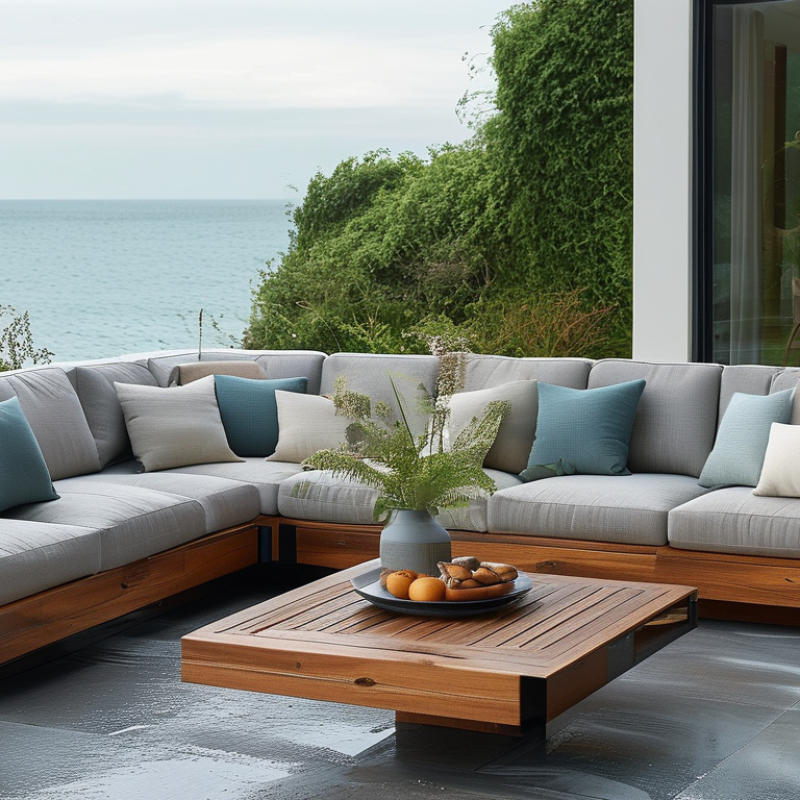
Global buyers are prioritizing patio furniture that adapts to changing spaces. A 2024 global outdoor furniture market report values the sector at roughly US$50 billion. It also forecasts annual growth near 5–6% through 2030. Modular seating supports this demand with movable sofas, corner units, and separate ottomans. A compact balcony can become a lounge, dining area, or reading corner within minutes.

Multifunctional design adds practical value. Storage benches can hold cushions, gardening tools, or outdoor games. Adjustable tables can shift from coffee height to dining height. In my experience, lighter aluminum frames are easier to rearrange than heavy solid constructions. However, modularity is not automatically better. Too many pieces can create visual clutter and increase replacement costs. Buyers should check connector strength, drainage, fabric performance, and replacement-part availability. These details often matter more than appearance.

Tips: Measure the usable floor area, not the entire patio. Leave at least 60 centimeters for comfortable movement. Choose two or three core modules first. Add matching pieces later. Test the layout with cardboard boxes before ordering. This simple step may reveal awkward corners. I still underestimate circulation space sometimes. That mistake is worth correcting before delivery. A 2024 consumer outdoor-living survey also found that buyers increasingly value flexible layouts and low-maintenance materials, especially in smaller urban homes.

Weather-Resistant Materials and Low-Maintenance Performance Standards

Top 10 Patio Furniture Trends for Global Buyers

Weather-Resistant Materials and Low-Maintenance Performance Standards

Outdoor buyers now want patio furniture that survives sun, rain, salt air, and sudden temperature changes. Grand View Research valued the global outdoor furniture market at approximately 20 billion dollars in 2023. Its 2024 analysis also expects steady growth through 2030. This demand is pushing suppliers toward aluminum, recycled polymers, performance fabrics, and treated hardwoods.

No material is perfect. Powder-coated aluminum resists corrosion, but scratches can expose the underlying surface. High-density polymers absorb little water, yet dark colors may become hot under direct sunlight. For coastal projects, buyers should request salt-spray evidence and clear care instructions. ASTM G154 supports accelerated ultraviolet testing, while ISO 4892-3 evaluates polymer exposure to artificial weathering. These tests help, but they cannot fully copy every climate.

Tips: Ask for UV, moisture, and corrosion test results before ordering. Check frame drainage, fastener materials, fabric cleaning limits, and replacement-part availability. A washable cushion cover matters more than a glossy product claim. I would avoid the phrase “maintenance-free.” Even durable furniture needs occasional rinsing, drying, and inspection. A five-minute monthly check can reveal trapped water, loose joints, or fading before small problems become expensive.

Smart Outdoor Living, Comfort Features, and Premiumization Trends (Statista)

Top 10 Patio Furniture Trends for Global Buyers

Smart outdoor living is reshaping patio furniture purchasing decisions. According to Statista, consumers increasingly value connected, comfortable, and premium outdoor spaces. Buyers now seek furniture that supports dining, relaxing, working, and entertaining. Integrated lighting can create a softer atmosphere after sunset. Weather-resistant charging points also support longer outdoor use. However, technology should remain simple. Complicated controls may discourage everyday use.

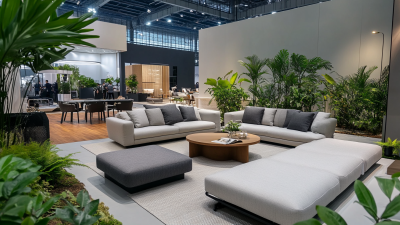
Comfort features are becoming central to product selection. Deep seating, adjustable backs, breathable cushions, and supportive armrests improve long sessions outside. In my experience reviewing outdoor layouts, seat height matters more than many buyers expect. A low chair can look elegant but feel difficult for older users. Modular designs provide flexibility for balconies, gardens, and hospitality areas. Still, movable sections can become unstable on uneven flooring.

Premiumization is visible in stronger frames, refined textures, and better weather protection. Buyers want furniture that feels residential, not temporary. Powder-coated metal, treated wood, and quick-drying fabrics can improve durability when properly maintained. Small details matter, including concealed fasteners and removable covers. Yet premium furniture is not maintenance-free. Even expensive materials can fade, stain, or corrode without regular care. Global buyers should assess climate, storage space, repair access, and replacement parts before choosing higher-priced pieces.