Leave Your Message

What Are the Top Outdoor Dining Tables for 2026?

Choosing an Outdoor Dining Table for 2026 means balancing comfort, durability, appearance, and the space available at home. A table that looks elegant in a product photo may feel cramped once chairs, serving dishes, and an umbrella are added. Measure the patio or deck before comparing styles, and leave enough room for people to pull out chairs without scraping a wall or railing.

This guide considers practical details that matter over time: frame materials, tabletop care, seating capacity, stability, and resistance to everyday weather. Aluminum is often easier to move; teak has a warm grain but needs thoughtful upkeep. Powder-coated steel can offer a clean, sturdy look, though scratches may need attention. Small trade-offs matter. Check manufacturer specifications and warranty terms, and read owner feedback for recurring issues rather than relying on a single glowing review. We cannot call one design best for every household. A compact balcony, a windy garden, and a family patio ask for different things. That is worth remembering. The recommendations ahead are intended to help readers compare options by real-world needs, not by looks alone. Consider how often the table will be used, where it will be stored, and whether replacement parts are available. A little measuring now can prevent a very expensive regret.
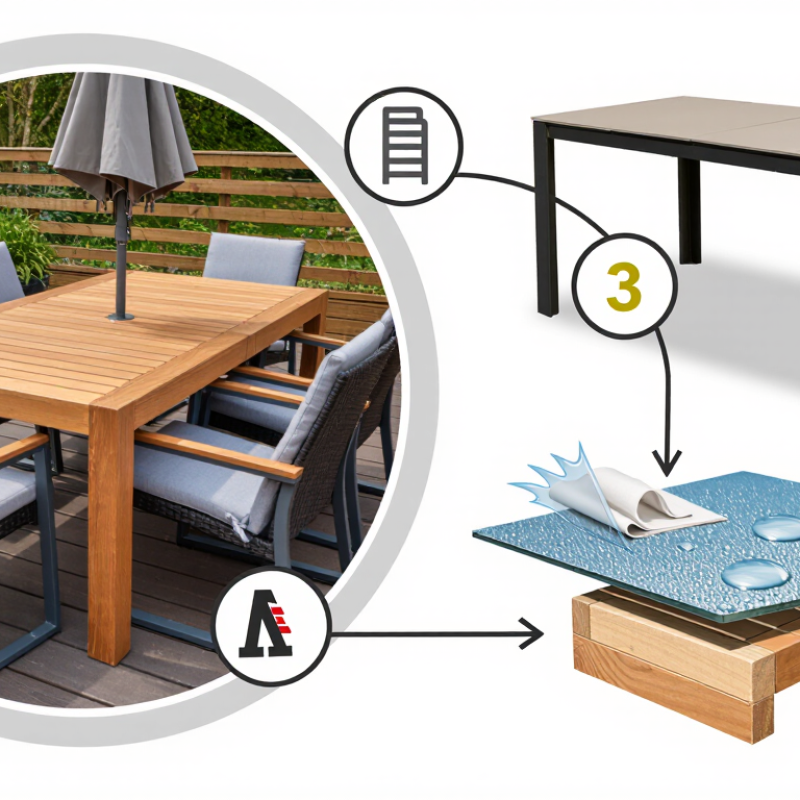
What Are the Top Outdoor Dining Tables for 2026?

How Outdoor Dining Tables Are Defined and Classified

An outdoor dining table is designed for meals in open-air settings, from compact balconies to large patios. Its defining features are a dining-height surface, room for place settings, and materials suited to changing conditions. It is not simply any table placed outside. A low coffee table, for example, usually lacks the height and legroom needed for seated meals. That distinction is useful, though not perfect.

Tables can be classified by material, shape, size, and construction. Teak and other durable hardwoods offer a warm, solid feel, while aluminum is lighter and easier to move. Powder-coated steel can feel sturdy, but scratches may expose areas to rust. Woven or resin surfaces vary in quality, so check for firm joints and a stable frame. Round tables encourage conversation and fit tight corners; rectangular ones suit longer spaces and larger gatherings. Measure the patio with chairs pulled out, not tucked in. It is an easy detail to miss.

Fixed tables provide a steady surface, while folding and extendable designs adapt to storage limits or extra guests. A small four-seat model may work well on a balcony, but chair clearance still matters. Classification helps compare options, yet climate, upkeep, and actual space often matter more than labels.
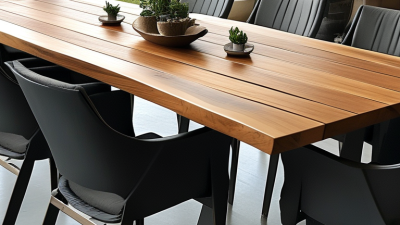
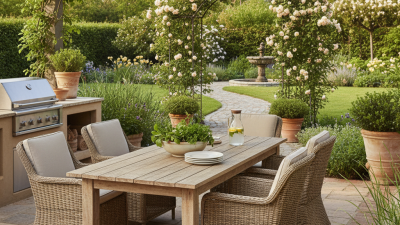
Which Features Determine a Table’s Quality and Value in 2026

What Are the Top Outdoor Dining Tables for 2026?

A reliable outdoor dining table should feel steady, suit your space, and tolerate regular exposure to the elements. In 2026, judge quality by construction and upkeep, not just appearance. Aluminum frames resist rust, but thin sections may flex when guests lean against the edge. Teak handles outdoor conditions well, though it needs occasional care to retain its color. Look underneath, too. Tight joints, smooth welds, and corrosion-resistant hardware matter more than decorative details.

Check that the tabletop stays level and leaves enough room for chairs to slide back. A 36-inch-wide table can feel cramped when serving shared dishes; measure your place settings before buying. Ask how finishes handle sunlight and moisture, and read care instructions rather than relying on vague weatherproof claims. Value includes maintenance, replacement parts, and how easily the table can be moved or stored. I’d test a sample surface with a damp cloth if possible. That small check can reveal a finish that marks easily, though it won’t predict years of wear.

How Materials Affect Durability, Maintenance, and Appearance

An outdoor dining table has to handle more than meals. Sun, rain, temperature swings, and spilled drinks all affect how it ages. Teak develops a soft silver-gray patina outdoors, though occasional cleaning helps prevent grime from settling into its grain. Aluminum is light and resists rust, making it easier to move or store. Its finish can still scratch, and thin frames may feel less substantial in strong winds.

Steel often feels sturdy, but protective coatings matter; chips can expose metal to moisture and encourage rust. Porcelain and stone surfaces resist stains and heat well, yet they can be heavy and may show damage from a hard impact. Resin-based materials need little routine care, but prolonged sun can dull or weaken some finishes. There is no perfect choice. A low-maintenance surface may look less natural, and that trade-off is easy to underestimate.

Tips: Match the material to your weather and storage options. Rinse salt or pollen away with mild soap and water. Check joints, coatings, and drainage after wet seasons. A cover helps, but trapped moisture can cause problems too.

Which Table Styles Suit Different Outdoor Spaces

For a narrow balcony, a round bistro table often leaves more room to move than a rectangular one. Look for a compact top and folding chairs that can be stored against a wall. Measure the doorway and walking path before buying; even a small table can make a balcony feel cramped. Keep it light, but consider how exposed the space is to wind.

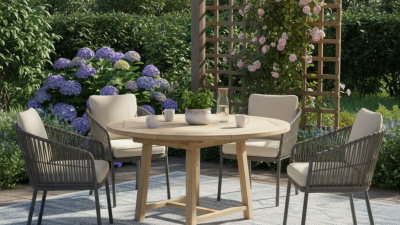
A rectangular table suits a long patio, especially when meals regularly include several people. Leave enough space to pull chairs back without blocking doors or garden paths. For a flexible setup, an extendable table can handle everyday meals and occasional guests, though its joints need occasional checking. There is a trade-off: the larger top may be awkward to cover or move.

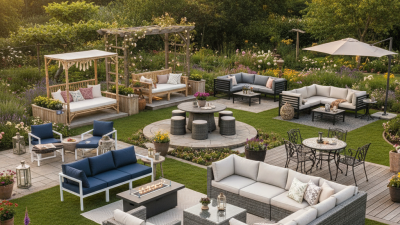
In a leafy garden, a sturdy dining table can anchor an open area and pair well with benches or mixed chairs. Aluminum is easy to move, but lightweight frames may shift in strong gusts. Heavier stone or ceramic tops feel stable, yet need a supportive base and a firm, level surface. Check how each material handles sun and rain in your climate; care instructions vary, and even attractive finishes can weather unevenly. A little less styling, more attention to drainage.

Seating ranges are typical planning guidelines, not fixed limits. Bistro tables suit balconies and compact patios; round tables work well in conversation areas; rectangular tables fit larger patios; and extendable tables adapt to changing guest numbers. Actual capacity depends on table dimensions and chair clearance.

How to Choose a Table for Your Climate and Dining Needs

Choosing an outdoor dining table starts with the weather it must endure, not its appearance in a showroom. The U.S. Global Change Research Program’s Fourth National Climate Assessment found that very heavy precipitation increased 55% in the Northeast and 42% in the Midwest from 1958 to 2016. In wetter regions, favor a stable table with drainage-friendly slats and corrosion-resistant hardware. Check the joints, too. Water often finds them first.

For hot, sunny patios, lighter surfaces can be more comfortable to touch, while a sturdy umbrella base helps manage shade. In coastal or humid settings, rinse salt and grime from metal, and store cushions somewhere dry. Wood can feel welcoming, but its finish needs regular attention as moisture and sunlight take their toll. The USDA Forest Products Laboratory’s Wood Handbook explains that wood changes dimension as its moisture content shifts; movement varies by species and cut. That detail matters when choosing a tabletop and planning its care.

Match the size to real meals, not an idealized gathering. Measure chair pullback and leave a clear walking route; a crowded patio gets old quickly. Extendable designs save space, though their seams may collect debris. I would not choose a heavy table just because it feels permanent. On a windy deck, weight helps; on a small balcony, it can become a nuisance. Check local climate normals, then be honest about how much upkeep you will actually do.

What Are the Top Outdoor Dining Tables for 2026? - How to Choose a Table for Your Climate and Dining Needs

Table style Typical materials Common size and seating Climate suitability Care and practical notes
All-around rectangular table Powder-coated aluminum frame with a slatted aluminum or hardwood top About 72 × 36 in (183 × 91 cm); usually seats 6 Good for many climates. Aluminum does not rust like ordinary steel, but cushions and finishes still benefit from protection in prolonged wet or harsh conditions. Wipe clean with mild soap and water. Check that the frame feels stable and that the top has drainage gaps if exposed to rain.
Compact bistro table Aluminum, sealed hardwood, or outdoor-rated steel About 24–30 in (61–76 cm) across; usually seats 2 Well suited to balconies and small patios. In windy locations, choose a heavier base or a design that can be secured. Measure the space with chairs pulled out before buying. Folding designs are convenient but should have secure locking joints.
Low-maintenance family table High-density polyethylene (HDPE) top with a metal frame About 60–72 × 36 in (152–183 × 91 cm); usually seats 4–6 A practical option for damp or changeable weather. UV exposure can gradually affect color, so check that the material is intended for outdoor use. Generally cleans with soap and water. It can be heavier than some lightweight options; confirm the table’s weight if you plan to move it often.
Classic hardwood table Naturally durable outdoor hardwood, such as teak About 72–96 × 36–40 in (183–244 × 91–102 cm); usually seats 6–8 Suitable for outdoor use, but repeated wetting and strong sun can change the wood’s appearance. In cold or very wet seasons, covered storage can help extend its life. Wood naturally weathers over time. Cleaning and optional periodic oiling depend on the wood and desired finish; follow the care instructions for the specific table.
Coastal-use metal table Marine-grade stainless steel, commonly 316, or appropriately protected aluminum About 60–84 × 36–40 in (152–213 × 91–102 cm); usually seats 4–8 316 stainless steel offers improved resistance to chloride corrosion compared with common 304 stainless steel, but salt deposits and sheltered crevices can still cause problems. Rinse periodically with fresh water, especially near the sea. Inspect joints and fasteners, and avoid abrasive cleaners that can damage the finish.
Extendable entertaining table Aluminum, outdoor hardwood, or a combination of materials About 63–95 in (160–241 cm) long when extended; typically seats 6–10 Climate performance depends on the frame, top, and extension mechanism. Keep moving parts clean and dry when possible to reduce sticking or wear. Check the table in both positions and allow room for chairs. Store any separate extension leaf in a dry, protected place.
Stone-look statement table Sintered stone, ceramic, or another outdoor-rated hard surface on a stable base About 60–84 × 36–40 in (152–213 × 91–102 cm); usually seats 4–8 Many outdoor-rated surfaces resist weather well, but freeze-thaw performance and impact resistance vary by product. Verify the manufacturer’s outdoor-use rating. Often easy to wipe clean, but edges may chip if struck. The top can be heavy, so check the base rating and plan for careful placement.

Choosing tip: Measure the dining area with chairs in use, allow comfortable walkways, and check the table’s outdoor-use and care instructions. Dimensions and seating counts are typical ranges and vary by design.