Top 10 Corner Garden Furniture for Global Buyers Today?
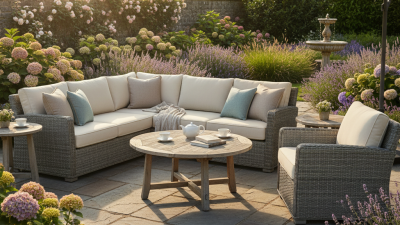
In recent years, the demand for corner garden furniture has experienced significant growth. According to industry reports, the global outdoor furniture market is projected to reach $40 billion by 2025, with corner sets becoming increasingly popular. Corner garden furniture offers a stylish solution for maximizing space in outdoor areas, making it ideal for small gardens or patios.
These furniture pieces not only enhance aesthetics but also provide comfort. A well-designed corner sofa or table can transform an empty garden nook into a vibrant social space. Moreover, the rise of urban living increases the need for versatile outdoor furniture solutions. However, buyers must consider quality and durability when choosing corner garden furniture. Many options on the market lack these essential qualities, leading to dissatisfaction.
Investing in high-quality corner garden furniture can result in long-term enjoyment. It's crucial to reflect on factors such as materials and weather resistance before making a purchase. As buyers become more discerning, the industry needs to keep pace with their evolving expectations. This article aims to highlight ten corner garden furniture options that cater to global buyers today, offering insights into both style and functionality.
Trends in Corner Garden Furniture for 2023
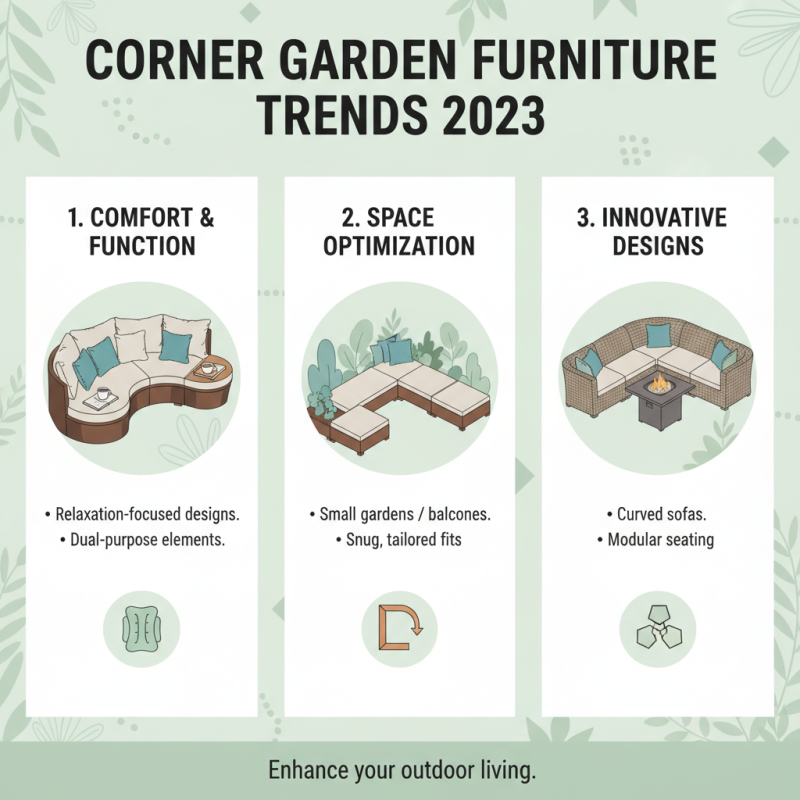
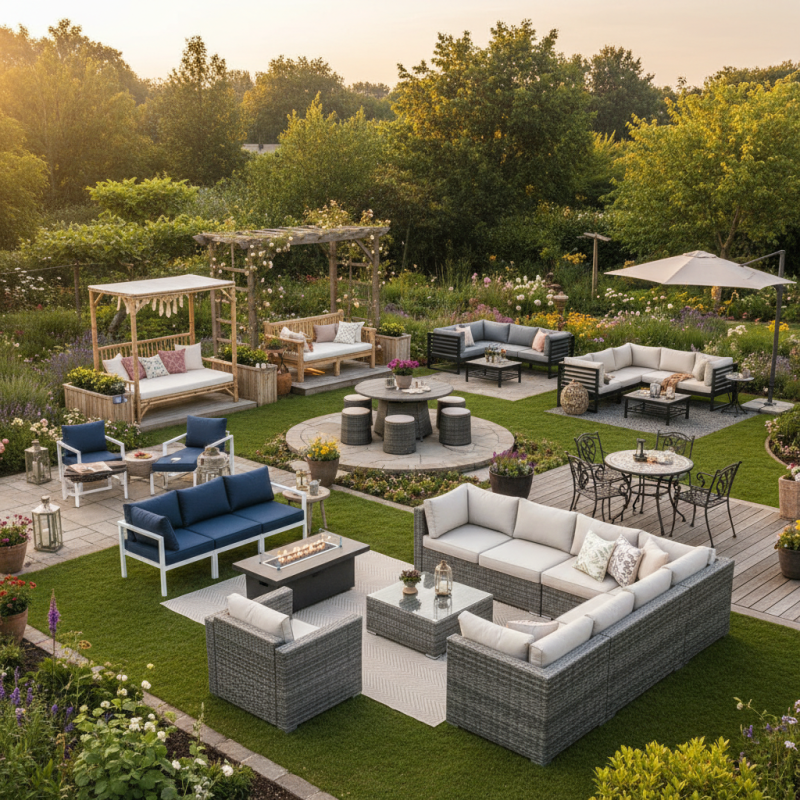
As we step into 2023, corner garden furniture trends reflect a blend of comfort and functionality. Homeowners are increasingly seeking innovative designs that fit snugly into small outdoor spaces. These items do more than just furnish a corner; they enhance the overall aesthetic of the garden. Curved sofas and modular seating are gaining popularity, offering versatility for gatherings or quiet moments alone.
Materials are evolving too. Sustainable choices are becoming essential. Wicker, recycled metals, and even reclaimed wood are favored for their eco-friendly aspects. Color palettes are shifting towards natural tones, reflecting the desire for harmony with nature. Vibrant textiles bring pops of color, catering to diverse personal styles. However, there's a challenge—finding furniture that balances durability and aesthetics can be tough. Quality often varies significantly, making it vital to choose carefully.
Functionality remains crucial. Multi-purpose items are in demand. Furniture that can transform from seating to storage appeals to buyers looking to maximize space. Yet, some consumers report dissatisfaction on the longevity of these pieces. There’s still room for improvement in design and durability. It’s worth considering long-term use versus immediate visual appeal. Emerging trends show a path forward, but the quest for perfectly designed corner garden furniture continues.
Materials Used in Corner Garden Furniture Design
When considering corner garden furniture, the materials used in its design play a crucial role. Many manufacturers opt for weather-resistant woods like teak or eucalyptus. These materials are not only durable but also add a natural touch to your garden. Proper treatment is necessary to maintain their color and integrity over time.
Metal is another popular choice. Aluminum or wrought iron provides strength and a modern aesthetic. However, metal furniture can get hot under direct sun and may require cushions for comfort. Some products use synthetic materials, mimicking wood or metal at a lower price point. These materials are often lightweight and easy to maintain, though their longevity can sometimes be questionable.
Choosing the right material demands understanding both your environment and personal style. A garden in a dry climate may handle wood better than in a humid area. Remember, some finishes may fade or chip over time. Assessing your priorities in terms of durability and appearance is essential. This thoughtful approach can lead you to the perfect corner garden setup.
Top 10 Corner Garden Furniture Materials Used in Design
Top Features to Look for in Corner Garden Furniture
When choosing corner garden furniture, several key features should be prioritized. First, consider the material. Durable options like aluminum and teak resist weathering. According to a report by the National Association of Landscape Professionals, outdoor furniture durability is essential, with nearly 70% of buyers seeking longevity in their purchases. Opting for lightweight materials can also enhance mobility and ease of rearrangement, especially in smaller gardens.
Next, comfort cannot be overlooked. Look for ergonomic designs that support natural body posture. A survey by the International Furniture Association revealed that 85% of consumers value comfort above all else. Cushions with high-density foam and water-resistant covers make seating cozy and practical.
Additionally, storage solutions are often ignored. Furniture that doubles as storage keeps outdoor spaces tidy, which is a critical feature for compact gardens.
Lastly, take aesthetics into account. Color and design complement the overall garden theme. A cohesive look creates visual appeal. A study from the Garden Furniture Institute indicates that 63% of buyers emphasize style in their selection. However, preferences can vary greatly, leading to misalignments between style and function. It’s essential to reflect on personal tastes while ensuring practicality.
Popular Brands for Corner Garden Furniture Worldwide
When it comes to investing in corner garden furniture, multiple brands have gained popularity around the world for their quality and design. Customers seek options that enhance outdoor spaces, reflecting personal style while providing comfort. From wicker to aluminum, the material choice can significantly impact the overall aesthetic of a garden.
Many buyers prefer furniture that is not only stylish but also durable. Well-made pieces withstand various weather conditions. It is essential to consider weight, as lighter materials may not hold up against the wind. A sturdy item can become problematic if it is difficult to move when rearranging the garden layout.
Some brands offer modular designs, allowing configurations to fit different spaces. This adaptability makes it easier for consumers to utilize their corner areas effectively. However, not all products are created equal. Often, quality may vary even within the same brand. Buyers should research customer reviews and test products in stores. This can help identify potential flaws or aspects that may not meet expectations. Crafting an inviting outdoor retreat requires careful selection and a focus on functionality that may not always be clear at first glance.
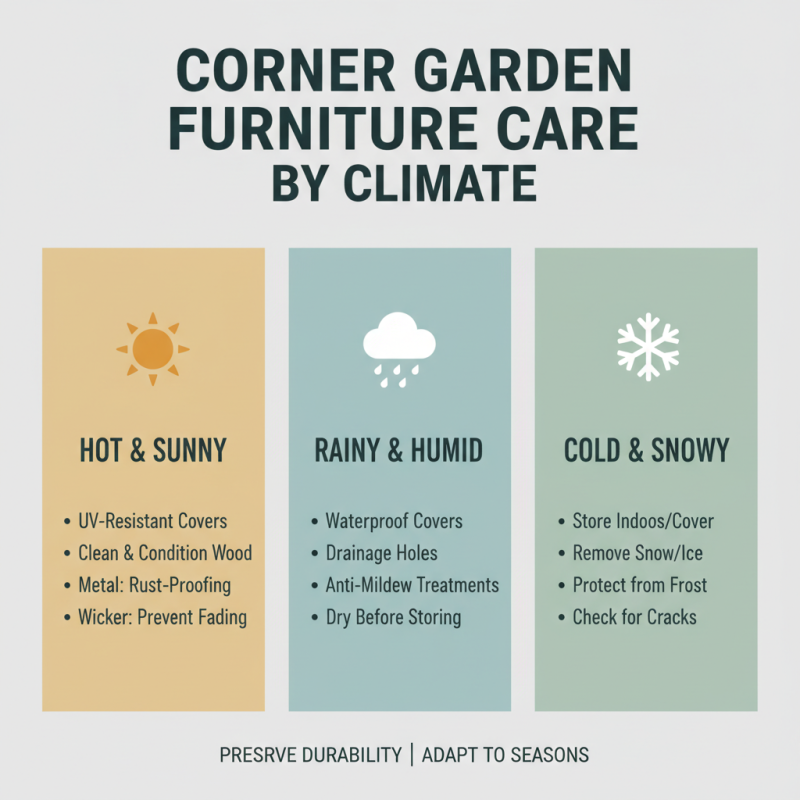
Tips for Maintaining Corner Garden Furniture in Different Climates
Maintaining corner garden furniture requires attention to climate conditions. Different environments impact furniture materials and durability. Whether you face sunlight, rain, or snow, each requires specific care.
In hot climates, ultraviolet rays can damage furniture finishes. Consider using covers to protect your pieces. Regularly apply a UV protectant to prolong their life. Make sure to clean them routinely to prevent dust buildup.
For wet or humid conditions, moisture can lead to mold and rot. Elevating wooden pieces can prevent water from sitting underneath. Always store cushions indoors when not in use. If mold appears, treat it gently with a mixture of vinegar and water.
In snowy areas, snow accumulation can be harmful. Brush off heavy snow promptly to avoid damage. Use weather-resistant materials for more durability. Reflect on the unique challenges your climate poses and adjust your maintenance accordingly.