Best Outdoor Furniture Options for China Top Buyers?
In recent years, Outdoor Furniture has gained immense popularity among China's top buyers. With a growing emphasis on outdoor living spaces, consumers are seeking furniture that enhances their experiences. Quality, durability, and aesthetics play crucial roles in the selection process.
Buyers are exploring various materials, such as teak, aluminum, and synthetic wicker. Each material has its pros and cons. Teak may be beautiful but requires maintenance. Aluminum is lightweight but can sometimes feel less inviting. Synthetic wicker offers a modern touch but may lack authenticity.
The rise of outdoor furniture reflects a lifestyle shift. More people are spending time outdoors, seeking relaxation and connection with nature. However, it's essential to address the sustainability of these choices. As preferences evolve, buyers should consider eco-friendly options. Choosing responsibly sourced materials can enhance outdoor spaces and contribute positively to the environment.
Top Materials for Outdoor Furniture in China: A Comprehensive Overview
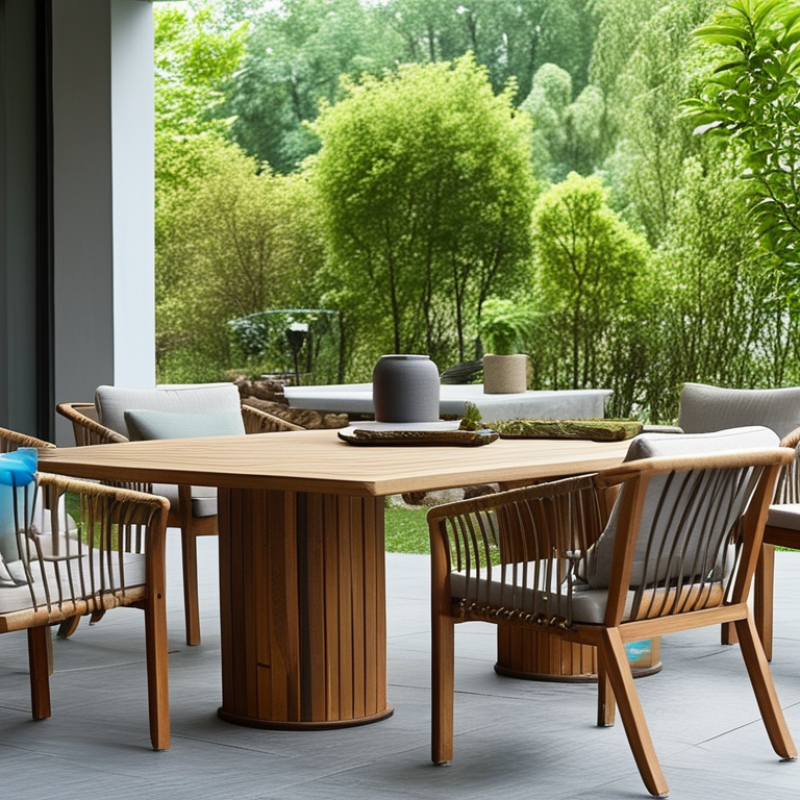
When considering outdoor furniture for top buyers in China, material selection is crucial. Each material offers distinct qualities and benefits. For example, aluminum is lightweight and resistant to rust. It’s a popular choice for modern outdoor designs. However, it can feel cold and uninviting.
Wood, such as teak and eucalyptus, brings warmth. These materials are durable, but their maintenance can be demanding. Frequent oiling is necessary to preserve their appearance.
Wicker, especially synthetic varieties, stands out for its aesthetics. It’s weather-resistant and easy to clean, making it practical for busy lifestyles. Still, real wicker can be fragile and may not withstand harsh elements.
Another option is plastic resin, which is affordable and comes in various styles. However, it might lack the elegance some buyers seek.
In summary, choosing the right material is about balancing style and practicality. Each option has pros and cons that require careful consideration. Ultimately, buyers must reflect on their specific needs and preferences to find the best solution for their outdoor spaces.
Popular Styles of Outdoor Furniture Among Chinese Top Buyers
When it comes to outdoor furniture preferences among top buyers in China, style choices vary widely. Many gravitate toward minimalist designs that emphasize simplicity and elegance. This trend reflects a growing appreciation for modern aesthetics that blend functionality with artful simplicity. Buyers often seek items that can complement their outdoor spaces, making them inviting and relaxing.
Another popular category includes multifunctional furniture. Buyers appreciate pieces that serve multiple purposes, maximizing space and enhancing utility. For example, a bench that converts into storage space appeals to urban dwellers facing space constraints. Additionally, buyers show a growing interest in environmentally sustainable materials. This reflects a shift towards responsible consumption. The right choice can enhance outdoor experience while minimizing environmental impact.
However, the market is still evolving. Some buyers tend to stick with traditional styles that evoke nostalgia. This can sometimes limit innovative designs from emerging brands. There is a lingering tension between classic elegance and modern minimalism. As preferences evolve, the challenge remains: how to blend timeless values with contemporary needs.
Best Outdoor Furniture Options for China Top Buyers
| Furniture Type |
Material |
Popular Styles |
Price Range (USD) |
Durability (Years) |
| Outdoor Sofa |
Rattan |
Modern, Minimalist |
200 - 800 |
5 - 10 |
| Dining Set |
Teak Wood |
Classic, Rustic |
300 - 1500 |
10 - 15 |
| Lounge Chair |
Aluminum |
Contemporary, Chic |
150 - 600 |
5 - 7 |
| Umbrella |
Fabric, Steel Frame |
Patio, Garden |
50 - 200 |
3 - 5 |
| Fire Pit |
Cast Iron, Steel |
Traditional, Contemporary |
100 - 800 |
10 - 20 |
Guidelines for Choosing Durable Outdoor Furniture for Chinese Markets
Choosing durable outdoor furniture for the Chinese market involves several key considerations. Quality materials are essential. Look for weather-resistant options, such as aluminum and teak. These materials withstand the elements better. They are also easy to clean. A good finish is crucial. Ensure the furniture has a UV-protected coating to prevent fading.
Design matters as well. Outdoor furniture should fit well in various spaces. Opt for versatile styles that match local aesthetics. Consider colors that resonate with Chinese cultural preferences. Compact designs can maximize functionality in smaller urban areas.
Lastly, think about maintenance. Products that require less upkeep appeal to many buyers. Unfortunately, some consumers may underestimate maintenance needs. This oversight can lead to dissatisfaction. Understanding customer expectations is vital. Consumers seek products that last but often overlook care requirements. Addressing this gap can enhance your market offering.
Market Trends in Outdoor Furniture for China's Affluent Consumers
The outdoor furniture market in China is evolving rapidly. Recent reports indicate that luxury outdoor furniture sales are expected to grow by 8.5% annually. This trend is driven by affluent consumers who prioritize aesthetics and comfort. Outdoor spaces are now extensions of their homes. These consumers seek high-quality materials that can withstand diverse climates.
Sustainability is a growing concern among Chinese buyers. Many prefer eco-friendly products made from sustainable woods or recycled materials. A survey revealed that over 40% of top buyers are willing to pay a premium for environmentally responsible choices. Innovative designs that combine functionality and style are also in demand. Unique, modular pieces offer flexibility for various outdoor settings.
However, challenges remain. The market sees a gap between high prices and consumer expectations. Quality control issues can lead to dissatisfaction. As brands attempt to cater to a sophisticated audience, balancing luxury with practical durability proves difficult. China's outdoor furniture market is set for growth, but brands must reflect on these challenges to meet customer needs effectively.
Sustainable Outdoor Furniture Options Gaining Popularity in China
Sustainable outdoor furniture has become increasingly popular among top buyers in China. This shift reflects a growing awareness of environmental issues and the desire for eco-friendly living. Consumers now seek options that align with their values. Bamboo, reclaimed wood, and recycled materials are at the forefront of this trend. These materials not only look good but also offer durability.
The challenge lies in maintaining quality while using sustainable resources. Some buyers worry about the longevity of eco-friendly products. It’s crucial to find pieces that withstand the elements and do not compromise on style. For example, furniture made from recycled plastic can be both chic and hardy. Providing clear information on production processes can help build trust among consumers.
Chinese consumers are increasingly gravitating towards brands that prioritize sustainability. They appreciate companies that invest in ethical practices. However, finding truly sustainable furniture can be a daunting task. Some options marketed as “eco-friendly” may fall short of expectations. Buyers need to do their research and ask questions. Transparency is key.