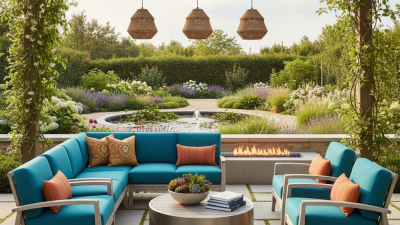
Top Garden Furniture Sets for Your Outdoor Space in 2026?
As we approach 2026, creating an inviting outdoor space is more crucial than ever. Garden Furniture Sets play a significant role in enhancing this experience. According to a recent industry report, the outdoor furniture market is projected to reach $15 billion by 2026. This growth reflects a renewed interest in outdoor living spaces, driven by trends toward remote work and home-centric lifestyles.
Choosing the right Garden Furniture Sets can significantly impact comfort and aesthetics. Consumers are increasingly seeking durable materials that withstand diverse weather conditions while providing style and functionality. For instance, teak and aluminum have gained popularity due to their resilience and minimal maintenance requirements. However, some buyers may overlook the need for sustainable options, which could lead to quality issues in the long run.
The rise of outdoor gatherings emphasizes the importance of thoughtful design and selection. Many options are available, yet it's vital to assess individual needs and space limitations. Not all sets will suit every environment or usage, underscoring the need for careful consideration. Ultimately, investing in high-quality Garden Furniture Sets can transform outdoor areas into beloved extensions of one’s home.
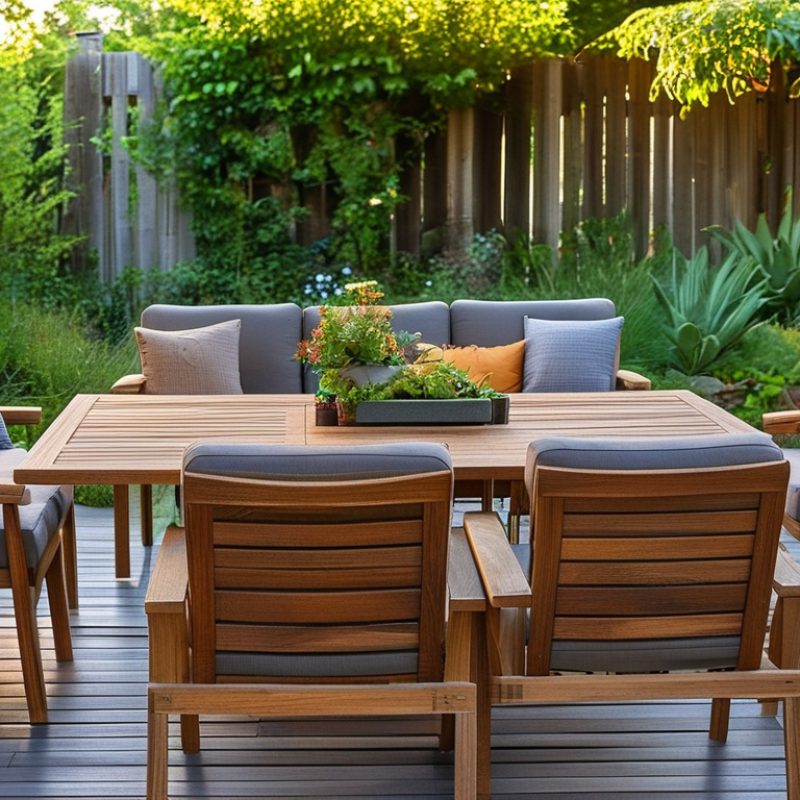
Popular Materials for Garden Furniture Sets in 2026
When choosing garden furniture sets in 2026, material selection becomes paramount.
Wood continues to be a favorite, offering warmth and natural beauty.
Teak and eucalyptus are particularly popular for their durability and resistance to weather elements.
The rich grains and natural oils of these woods enhance any outdoor setting, creating a cozy atmosphere.
Metal furniture is also gaining traction. Aluminum and steel are lightweight, yet strong.
They can withstand the elements without losing their charm.
Powder-coated finishes provide an added layer of protection and various color options.
This versatility allows homeowners to mix and match styles easily.
Plastic is another contender, particularly recycled options.
This material is easy to clean, versatile, and budget-friendly.
However, it can lack the elegance and sturdiness that other materials provide.
Finding the balance between aesthetics and functionality can be challenging.
Each material has its pros and cons, making personal preferences and usage essential factors in the decision-making process.
Trends in Garden Furniture Designs for Outdoor Spaces
In 2026, garden furniture designs are embracing sustainability and minimalism. Natural materials, such as bamboo and reclaimed wood, are gaining popularity. These choices not only reduce plastic waste but also enhance the aesthetic appeal of outdoor spaces. A blend of comfort and style is crucial. Cushions in earthy tones help create a warm atmosphere.
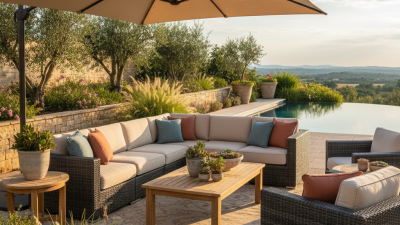
Another trend is modular furniture. Flexibility is key. These sets allow for easy reconfiguration based on the occasion. Hosting a gathering? Rearrange the seating to fit more people. Prefer an intimate dinner? Adjust the layout to create a cozy setting. This adaptability caters to different lifestyles.
Color schemes are shifting too. Bright and vivid hues are making room for softer palettes. Pastels dominate, offering a serene vibe. However, this shift could lead to a less energetic feel. Balance is important. Outdoor spaces should still inspire happiness and vitality. Designers face the challenge of aligning durability with aesthetics. Finding that sweet spot can be tricky, but it's essential for creating long-lasting outdoor enjoyment.
Top Garden Furniture Sets for Your Outdoor Space in 2026
| Furniture Set |
Material |
Seating Capacity |
Price Range ($) |
Trend Feature |
| Lounge Set |
Aluminum & Fabric |
6 |
800 - 1200 |
Modular Design |
| Dining Set |
Teak Wood |
8 |
1000 - 2000 |
Natural Finish |
| Bistro Set |
Wrought Iron |
2 |
300 - 500 |
Vintage Style |
| Fire Pit Table Set |
Granite & Steel |
6 |
1500 - 2500 |
Integrated Fire Pit |
| Sun Lounger Set |
Synthetic Rattan |
4 |
600 - 900 |
Adjustable Backrest |
Choosing the Right Size and Configuration for Your Garden
When planning your outdoor space, size and configuration are key. A recent industry report highlighted that 65% of garden furniture purchases fail due to improper sizing. Imagine a small patio overwhelmed by bulky furniture. It can make the space feel cramped and uninviting. Instead, opt for pieces that allow for easy movement and traffic flow.
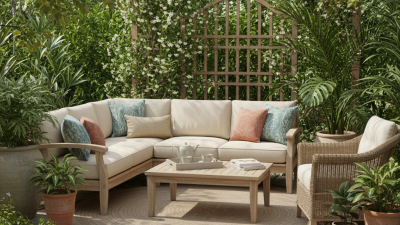
Consider the shape of your garden. Rectangular spaces often benefit from long dining tables, while circular areas can accommodate cozy seating arrangements. The same report found that L-shaped sofas are increasingly popular as they maximize seating without consuming too much space. Balance is essential; leave enough room for plants and walking paths. Overcrowding not only looks cluttered but can also discourage outdoor use.
Visualizing your layout on paper helps. Sketch your garden and mark the dimensions. Research shows that homes with well-planned outdoor spaces tend to have higher property values. A wrongly sized set not only limits usability; it can diminish your garden's appeal. Take time to measure and remeasure, ensuring that your choices harmonize with your surroundings.
Maintenance Tips for Prolonging the Life of Your Garden Furniture
Maintaining your garden furniture is essential for its longevity. Regular cleaning is key. Use mild soap and water to wipe down surfaces. This simple step helps prevent dirt buildup. You can also use a soft brush for tougher spots.
Protecting your furniture from the elements is crucial. If possible, store your pieces indoors during harsh weather. If indoors storage isn’t feasible, consider using furniture covers. They guard against rain and UV damage. Even the best materials can fade or corrode without protection.
Inspect your furniture regularly. Look for signs of wear or damage. Early detection can save you from costly repairs. Consider applying a protective sealant periodically, especially on wooden pieces. This helps repel moisture and keeps the finish intact. Remember, even the best furniture deserves care and attention.
Top Garden Furniture Sets for Your Outdoor Space in 2026
Here is a comparison of the popularity of different garden furniture materials based on consumer preferences in 2026. The chart displays the percentage of preference for each material.
Sustainable Options: Eco-Friendly Garden Furniture Choices
Eco-friendly garden furniture options are gaining traction.
A recent industry report notes that the demand for sustainable materials increased by 35% in the last two years. Consumers are increasingly prioritizing environmental ethics when choosing outdoor furniture. More people prefer materials like reclaimed wood and recycled metal.
Using sustainable materials often leads to better durability. For instance, teak harvested from responsibly managed forests can last decades. However, the downside is that initial costs can be higher. Many consumers hesitate at the price point. Yet, long-term investment in quality reduces waste.
As eco-conscious consumers, we must also reflect on design choices.
While minimalistic styles are appealing, overly complex designs may hinder recyclability. The industry must strike a balance between aesthetics and sustainability. Each purchase has a larger impact on our planet. By considering these factors, our outdoor spaces can be both beautiful and responsible.