Why Choose Outdoor Sofa for Commercial Spaces?
Why Choose Outdoor Sofa for Commercial Spaces?
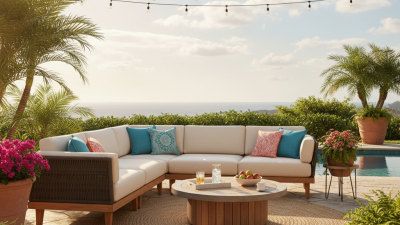
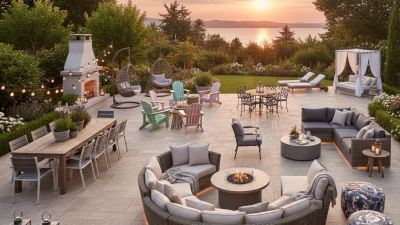
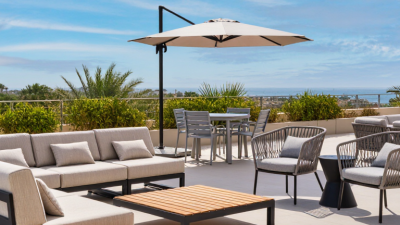
Commercial outdoor areas are no longer empty edges beside a building. They are active places where guests wait, dine, work, and socialize. A well-selected Outdoor Sofa can turn a sunlit terrace, hotel courtyard, or restaurant entrance into a useful extension of the business.
Richard Frinier, a veteran outdoor furniture designer, has said that outdoor furniture should be “as comfortable and beautiful as indoor furniture.” That principle matters in commercial settings. Guests notice the seat height, cushion firmness, armrest support, and fabric temperature. Staff notice whether the frame moves, stains easily, or requires constant adjustment.
Durability is essential. Look for powder-coated aluminum, treated hardwood, quick-dry cushions, and solution-dyed upholstery. These details help furniture handle rain, strong sunlight, frequent cleaning, and daily use. However, material names alone do not prove quality. Construction, drainage, stitching, and warranty terms deserve equal attention.
Comfort supports longer visits. Strategic layouts can guide traffic without making guests feel controlled. A modular Outdoor Sofa also allows managers to reshape the space for breakfast service, evening events, or seasonal changes.
Still, the choice is not automatically perfect. A large sofa may reduce walking space. Pale fabric may look elegant, yet reveal every spill. Cheap replacement covers can become expensive later.
The best decision combines design appeal, tested performance, maintenance planning, and real user experience. Visit the space at different times of day. Sit on the sofa. Check the shadows, moisture, cleaning access, and surrounding noise. Small oversights can become daily problems.
Defining Outdoor Sofas in Commercial Spaces
Why Choose Outdoor Sofa for Commercial Spaces?
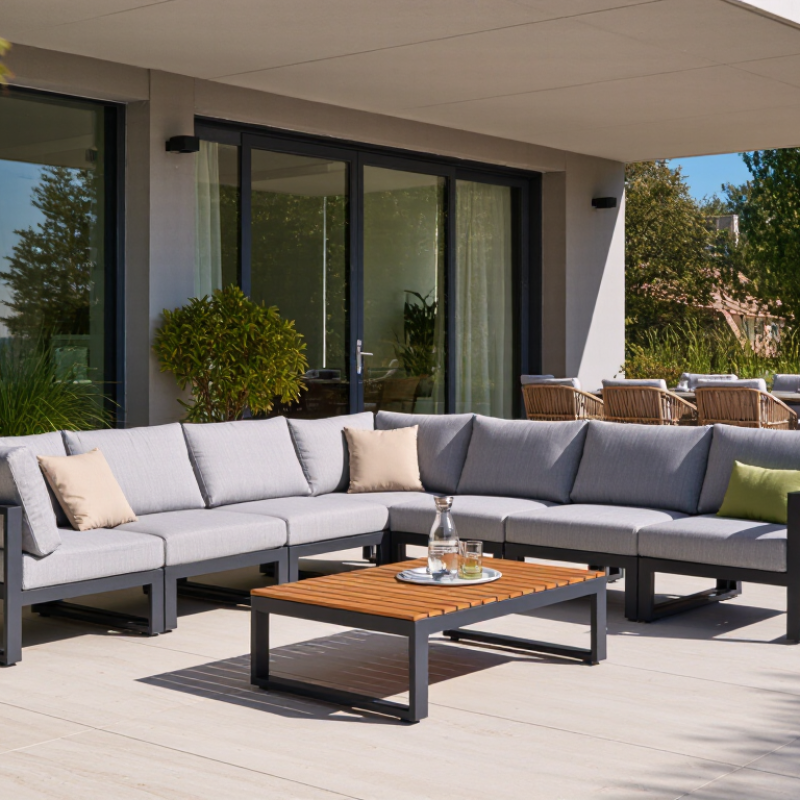
Defining Outdoor Sofas in Commercial Spaces means looking beyond appearance. An outdoor sofa is commercial-grade seating designed for open-air use in restaurants, hotels, offices, resorts, and public venues. It usually combines weather-resistant frames, quick-drying cushions, and durable upholstery. Unlike residential furniture, it must support frequent use, changing weather, and varied body weights throughout the day.
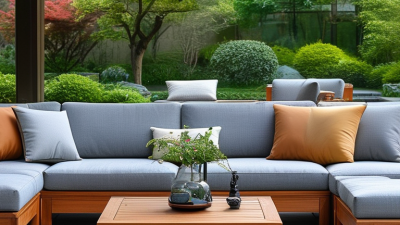
In practice, a good sofa should feel stable on stone, timber, or slightly uneven paving. Powder-coated metal can resist corrosion, while treated hardwood offers a warmer visual character. However, no material is maintenance-free. Cushions may still need drying after heavy rain. Dark fabrics hide marks well, but they can become uncomfortably hot under direct sunlight. Clear drainage, replaceable covers, and accessible layouts often matter more than decorative details. These choices show practical experience, not just showroom appeal.
Tips: Check the frame joints, cushion density, drainage speed, and fabric cleaning instructions before purchase. Leave enough space for walking routes and mobility aids. Place sofas away from dripping roofs or strong wind channels when possible. Test one unit during busy hours first. It may reveal problems that a quiet display area conceals. A simple inspection log can also help staff identify loose fittings, fading, or moisture retention before small issues become expensive repairs.
Materials and Designs for Commercial Outdoor Use
Why Choose Outdoor Sofa for Commercial Spaces?
Commercial outdoor sofas must survive more than changing weather. They face frequent use, spilled drinks, sunscreen, dust, and rushed cleaning. In my experience, powder-coated aluminum frames offer a practical balance of strength and manageable weight. Stainless steel fasteners help resist corrosion, especially near the coast. However, no material is perfect. Coatings can scratch, and neglected joints may still develop stains.
Cushion materials deserve equal attention. Solution-dyed acrylic covers resist fading better than ordinary dyed fabrics. Quick-dry foam allows water to drain through the cushion instead of staying trapped inside. This reduces odors after rain, although it does not remove the need for regular drying. Removable covers make inspections easier. Commercial teams should check seams, zippers, and foam condition every few months.
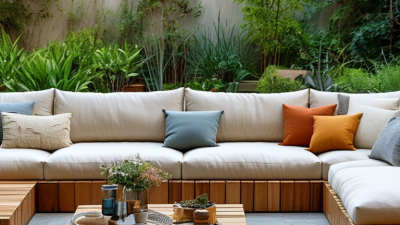
Design affects daily operations. Modular sofas can fit narrow patios, hotel terraces, and busy restaurant layouts. Rounded edges improve movement around tables, while deeper seats create a relaxed lounge feel. Yet oversized designs may reduce capacity and complicate cleaning. Neutral colors hide minor marks, but darker fabrics can become hot under direct sun. Anchoring options, replaceable components, and clear floor spacing should match local safety requirements. A visually attractive sofa is not enough. It must also be serviceable.
How to Choose the Right Outdoor Sofa
Choosing the right outdoor sofa begins with commercial use, not appearance. A hotel terrace needs different performance than a quiet office courtyard. Fortune Business Insights valued the global outdoor furniture market at USD 20.79 billion in 2023. It projects the market to reach USD 36.80 billion by 2032. This growth brings more choices, but not every sofa survives daily guest traffic.
Check the frame, fabric, foam, and drainage system. Powder-coated aluminum resists corrosion and keeps the structure relatively light. Solution-dyed acrylic usually offers stronger color retention than standard outdoor fabric. Quick-dry foam reduces moisture after rain, although it is not maintenance-free. Ask for documented UV, load, and abrasion testing. Relevant ANSI/BIFMA testing can support safer commercial purchasing decisions. A seat height near 430–460 millimeters supports easier standing for many adults. Test the sofa with real users. Catalog photographs can mislead.
The Global Wellness Institute reported that wellness real estate reached USD 438 billion in 2023. Comfortable outdoor seating can support this growing expectation for restorative spaces. Yet comfort must not reduce circulation. Leave clear routes for service staff, wheelchairs, and emergency movement. Consider modular sections when layouts change frequently. A dark frame may look refined, but it can become uncomfortably hot in direct sun. Maintenance is often underestimated. Inspect fasteners, cushions, and drainage every month. Replaceable covers may cost more initially, but they can reduce long-term waste and downtime. A beautiful sofa that needs constant repair is not truly commercial-grade.
Why Choose Outdoor Sofa for Commercial Spaces?
How to Choose the Right Outdoor Sofa
Commercial outdoor sofas should support comfortable use while preserving safe circulation. The chart uses ADA 2010 planning references converted from inches to centimeters: a 91.4 cm accessible route, a 76.2 cm clear floor width, a 121.9 cm clear floor length, and a 152.4 cm turning diameter. Use these dimensions to compare sofa footprints, leave adequate circulation space, and select modular designs that are easier to maintain and rearrange.
Reference: U.S. ADA Standards for Accessible Design, 2010, Sections 302 and 403.