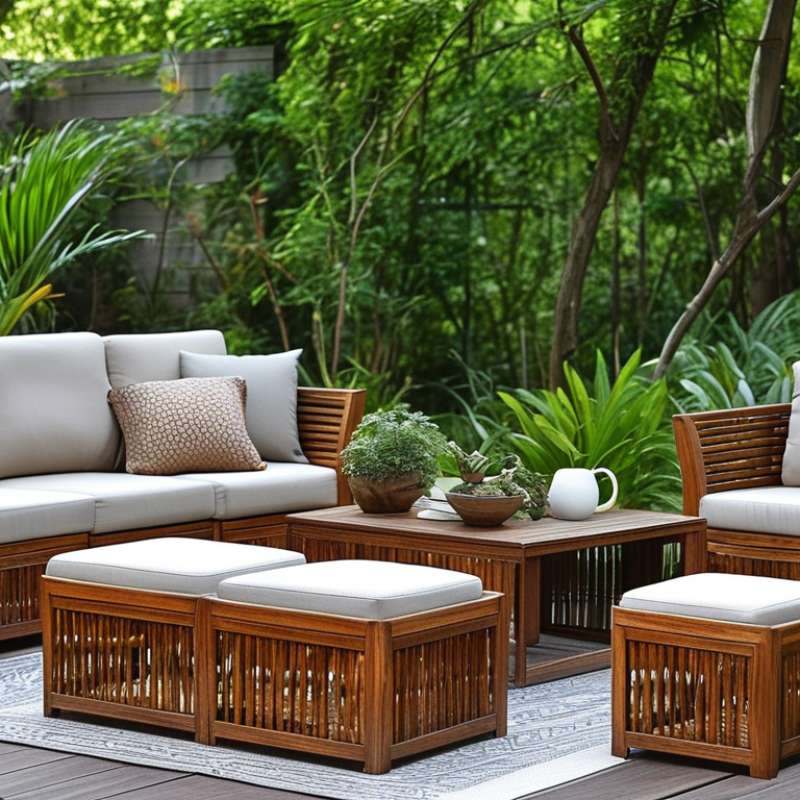
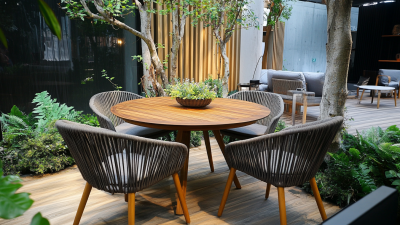
Ultimate Guide to Choosing the Best Garden Furniture Sets?
Choosing the right Garden Furniture Sets can transform your outdoor space into a cozy haven. These sets not only enhance the aesthetics of your garden but also provide comfort for gatherings. With countless options available, selecting the best fit can feel overwhelming.
Consider your personal style and the size of your garden. Different materials, such as wood, metal, or synthetic wicker, offer various advantages. For example, wooden furniture exudes natural charm, while metal sets can offer modern elegance. It's important to weigh the pros and cons of each material.
Additionally, think about functionality. Do you need a dining set for meals or lounge chairs for relaxation? Reflect on how you plan to use your garden. Comfortable seating combined with the right style will ensure you enjoy every moment outside. Remember, choosing the perfect Garden Furniture Sets is a journey, not a destination.
Factors to Consider When Selecting Garden Furniture Sets
When selecting garden furniture sets, several factors come into play. The materials used are crucial. Wood, metal, and wicker each have unique qualities. Wood brings warmth, but it requires maintenance. Metal can be durable and modern, but it might heat up under the sun. Wicker offers comfort and style, yet it can be less stable.
Size and layout of your garden are also key considerations. Measure your space carefully. You should avoid overcrowding. A well-designed seating area enhances enjoyment of outdoor spaces. Think about how many people you typically entertain. This impacts your choice significantly.
Comfort is essential too. Cushions should be both stylish and practical. Look for weather-resistant fabrics. Choose pieces that invite relaxation. A few decorative elements—like throws or pillows—can make the space inviting. Reflect on how your selections align with your lifestyle. It's not just about aesthetics; functionality matters.
Ultimate Guide to Choosing the Best Garden Furniture Sets
| Factor |
Description |
Material |
Durability |
Comfort Level |
| Size |
Ensure the furniture fits your space. |
Wood, Metal, Synthetic |
Varies by material |
Moderate to High |
| Style |
Choose a style that complements your garden. |
Rattan, Teak, Aluminum |
High for Teak, Moderate for Aluminum |
High |
| Weather Resistance |
Consider furniture that withstands local weather. |
Plastic, Wicker |
High |
Moderate |
| Maintenance |
Assess the cleaning and upkeep effort required. |
Iron, Wood |
Moderate for Wood, Low for Iron |
Moderate |
| Cost |
Establish a budget that meets your needs. |
Varies widely |
Varies widely |
Dependent on cushion choice |
Types of Garden Furniture Materials and Their Pros and Cons
When choosing garden furniture, the material is key. Different materials offer unique benefits and drawbacks. For instance, wood can provide warmth and a natural aesthetic. However, it often requires regular maintenance to prevent weather damage. Untreated wood can splinter and fade, creating safety issues and an unattractive appearance over time.
On the other hand, metal furniture, like aluminum or steel, tends to be durable and low-maintenance. Aluminum is lightweight and resistant to rust, making it a popular choice for outdoor settings. But steel can be heavy and may rust if not properly coated. This can be frustrating for those who prefer mobility in their garden spaces.
Plastic furniture is another option, offering affordability and easy care. It's lightweight and often available in various colors. Yet, it can fade under sunlight and may not withstand heavy winds. Choosing the right material involves understanding your climate and how you want to use your garden. It requires careful thought about your lifestyle and the long-term implications of each option.
Design Styles for Garden Furniture: Which One Suit Your Space?
When choosing garden furniture, design styles play a crucial role. Various styles can enhance the aesthetic and functionality of your outdoor space. Contemporary designs often use clean lines and minimalistic forms. These styles typically employ materials like metal and glass, offering a sleek appearance. According to the Outdoor Furniture Association, 70% of consumers prefer modern designs for their outdoor areas.
On the other hand, traditional styles invoke a rustic charm. Made with wood and intricate details, these pieces can create a warm and inviting atmosphere. However, they require more maintenance than their modern counterparts. Research indicates that 40% of homeowners find upkeep a significant drawback, considering fading and wear factors. Selecting the right style is crucial, especially with varied weather impacts.
Eclectic designs blend multiple elements, offering a unique approach. However, they can sometimes feel chaotic if not curated well. This style has gained attention, appealing to those who value personality in their spaces. Data from design surveys show that 30% of people enjoy mixing styles, but they might struggle with cohesion. Reflecting on your space and preferences is essential before making a decision.
Ultimate Guide to Choosing the Best Garden Furniture Sets
This bar chart illustrates the popularity of different design styles for garden furniture based on a survey conducted among garden enthusiasts. The data represents the percentage of preference for each style.
Maintenance Tips for Keeping Your Garden Furniture in Top Shape
Maintaining garden furniture is essential to ensure its longevity and aesthetic appeal. A report from the Home and Garden Research Institute indicates that properly maintained outdoor furniture can last up to three times longer than neglected pieces. Regular cleaning with a soft brush and mild soap helps prevent dirt buildup. It's crucial to assess the material type since wood, metal, and plastic each require different care methods.
For wooden furniture, applying a sealant annually can protect against moisture and UV damage. Likewise, metal pieces should be checked for rust, especially in humid climates. Rust can be treated with a wire brush and protective paint. Plastic furniture, while durable, benefits from occasional deep cleaning to remove stains. Surprisingly, many homeowners overlook these simple tasks, leading to premature wear.
Seasonal storage is another key consideration. When not in use, store furniture in a dry place to avoid weather damage. If storage isn’t possible, invest in high-quality covers tailored to fit your sets. These steps may seem simple, yet they can significantly impact your investment. Neglecting even one aspect of maintenance can lead to costly repairs or replacements.
Budgeting for Garden Furniture: How to Get the Best Value for Your Money
When budgeting for garden furniture, it’s essential to consider your actual needs. Think about how you plan to use the space. Will it be for family gatherings, or just a quiet place to relax? If you prioritize comfort and durability, your budget may shift accordingly.
Researching different materials is key.
Wooden sets offer timeless appeal but can require maintenance. Metal options are sturdy but might be heavier. Look for synthetic materials that mimic the look of wood or metal—these can be more affordable and easier to clean. Price should not be your only concern; functionality and style matter too.
You may find that waiting for sales or seasonal offers can lead to better deals. Sometimes, the best value comes from buying slightly used furniture. That could save a significant amount. Moreover, don’t rush your decision. Take your time to explore options. You’ll want your garden furniture to last.