Choosing reliable Wooden Garden Furniture suppliers requires more than comparing catalog photos and attractive prices. Global buyers must examine timber species, moisture control, joinery, surface treatment, packaging, and production capacity. Teak, acacia, eucalyptus, and other hardwoods behave differently in rain, heat, and changing humidity. A chair that looks sturdy in a showroom may loosen after several outdoor seasons.
This guide introduces leading supplier types and explains how buyers can assess them with greater confidence. It considers manufacturing experience, export history, quality-control procedures, sustainability documentation, and communication standards. Practical checks matter. Request material samples, inspect mortise-and-tenon joints, review kiln-drying records, and confirm whether finishes resist ultraviolet exposure. Packaging also deserves attention, especially when furniture travels through humid ports or faces long warehouse storage.
Small details matter.
Reliable suppliers should explain minimum order quantities, production timelines, replacement policies, and inspection options before receiving a deposit. Certifications can support trust, but they should be verified rather than accepted at face value. Factory videos and polished websites are useful starting points, not final proof. No supplier is perfect, and even experienced manufacturers may face seasonal delays or inconsistent timber batches. That limitation deserves honest discussion. By combining documented evidence with independent inspections and clear contracts, buyers can reduce avoidable risks and build dependable international sourcing relationships.
Top Wooden Garden Furniture Suppliers for Global Buyers?
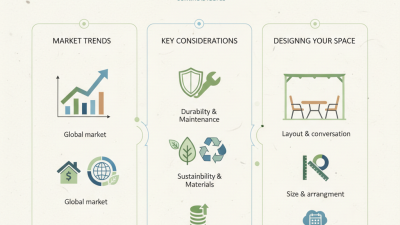
Global Wooden Garden Furniture Market Trends from 2024 Trade Data
The 2024 market shows steady demand for wooden outdoor furniture, especially in Europe, North America, and the Middle East. UN Comtrade records under HS 940360 indicate strong international movement of other wooden furniture. However, this code also includes indoor products, so the data is not perfectly garden-specific. That limitation matters.
The International Trade Centre’s Trade Map highlights continued competition among exporting economies in Asia and Europe. Buyers increasingly request acacia, eucalyptus, and certified tropical wood. Outdoor seating with foldable frames, narrow balconies, and modular tables is gaining attention. Sustainability is no longer just a brochure sentence. Importers now examine wood origin, moisture treatment, packaging, and repairability. The 2024 Global Trade Outlook from the WTO also points to cautious goods-trade recovery, which may keep purchasing decisions highly price-sensitive.
Tips: Compare suppliers using landed cost, not factory price. Request recent moisture-test records and photographs of packed goods. Check whether the HS code matches the actual product. Ask for samples before placing large orders. A low quote can hide thicker packaging, slow replacement parts, or weak weather resistance. I have seen attractive samples fail after one wet season; appearance alone proves little. Supplier rankings also change by destination, because freight rates, tariffs, and port reliability vary.

For global buyers, 2024 UN Comtrade HS 9403 values provide a useful starting point for supplier research. China typically stands among the largest exporting markets, supported by broad production capacity and established container logistics. Germany, Italy, Poland, and Vietnam also attract attention through furniture manufacturing expertise, engineered wood processing, or competitive production costs. Exact rankings should be checked against each destination market’s reported import data.
HS 9403 covers other furniture and parts, not wooden garden furniture alone. This distinction matters. A country’s high export value may include office furniture, bedroom furniture, or metal products. Buyers should combine Comtrade figures with product-level customs descriptions, factory audits, and recent sample inspections. A patio table should arrive with stable joints, smooth edges, weather-resistant coatings, and packaging that survives humid ports.
In practice, request kiln-drying records, moisture targets, timber legality documents, and test reports for coatings. Compare minimum order quantities, replacement policies, lead times, and container loading photographs. A low unit price can hide thicker packaging costs or inconsistent dimensions. I would also review at least three shipment references, although references can become outdated quickly. HS 9403 values show market scale, not guaranteed quality, reliability, or sustainable forestry performance. Timber species, outdoor exposure, and local safety requirements still need separate verification before contracting.
For global buyers, wood species performance starts with responsible sourcing and measurable quality. FSC certification indicates that wood comes from verified, responsibly managed sources. Buyers should also check the supplier’s chain-of-custody scope. A certificate alone may not cover every product.
Dense hardwoods usually resist dents and heavy outdoor use. However, they can be difficult to machine and may move during seasonal changes. Softwoods are lighter and easier to process, but they may need stronger surface protection. No species is perfect. Rain, sunlight, joints, and maintenance often affect furniture life more than species names.
An 8–12% moisture range is a useful purchasing benchmark for finished wooden furniture. It helps reduce excessive shrinkage, cracking, and joint loosening after delivery. Yet this range is not universal. Local humidity and climate can change the correct equilibrium level. Reliable suppliers should test samples with calibrated meters and record the test date, location, and reading. Core measurements are more useful than quick surface checks.
Global buyers should request species details, FSC documentation, moisture records, finish specifications, and inspection procedures. A small pre-production sample can reveal uneven color, rough edges, or unstable joints. Allow for movement. Even careful suppliers can miss hidden moisture differences inside thick components. That limitation deserves honest discussion before a large order.
Choosing a wooden garden furniture supplier requires more than comparing prices. MOQ affects storage costs, cash flow, and product testing. A practical starting order may include 50 to 200 units, depending on item size and finish. Ask whether mixed designs count toward the MOQ. This detail can change the decision.
Lead time should include material preparation, production, inspection, and shipping handover. A supplier promising 20 days may exclude drying time or packaging. Request a dated production schedule. Also ask for recent defect-rate records, not general assurances. Define defects clearly, such as warped legs, cracked joints, uneven coating, or missing hardware. A third-party inspection can verify samples before loading, though it adds cost.
Tips: Request three recent production references and compare their delivery records. Check the FSC certificate number, certificate scope, and chain-of-custody details. The certificate should match the supplied wooden products and sales documents. Start with a small trial order. It reveals finishing consistency, carton strength, and communication habits. Keep written acceptance standards with photos and measurements.
A low defect rate may reflect careful inspection, or simply narrow reporting. Ask how defects are counted and whether repaired units are included.
I have found that suppliers with excellent samples can still struggle during peak seasons. Build a buffer of seven to fourteen days. This is not perfect planning, but it reduces unpleasant surprises.
Choosing reliable wooden garden furniture suppliers requires more than comparing prices, designs, and production capacity. Buyers should confirm whether the goods fit HS 9403, which commonly covers other furniture, but classification can depend on construction, material, and intended use. A customs broker should review product drawings, invoices, and packing details before shipment. Small classification errors can create delays, extra duties, or document corrections.
EUDR compliance adds deeper sourcing duties for products containing relevant wood. Suppliers should provide the wood species, country of harvest, harvest coordinates, and legality evidence. The supply chain should show that the material was not linked to deforestation after the applicable cutoff date. Ask for batch-level records, not only a general sustainability statement. Paperwork matters.
Physical checks also matter. Wooden pallets, crates, and dunnage usually require treatment under ISPM 15 when shipped internationally. Inspect the visible IPPC mark before loading, including the country code, registration number, and treatment code. The mark should be clear and permanent. Damaged packaging can still cause questions at the border. In practice, suppliers may understand furniture production better than import law, so buyers should not assume every document is complete. Requirements and enforcement can change. Recheck official customs and environmental guidance before each shipment, especially when timber origins, transit countries, or product designs change.
Supplier qualification and import-compliance matrix for wooden outdoor furniture shipments. Product classifications are indicative and should be confirmed against the importing country’s current tariff schedule.
| Supplier Profile | Typical Product Range | Indicative HS Classification | EUDR Relevance | ISPM 15 Relevance | Core Documents to Request | Key Buyer Verification Points |
|---|---|---|---|---|---|---|
| Solid hardwood garden furniture producer | Acacia, eucalyptus, teak, or other solid-wood tables, chairs, benches, and loungers | HS 9403; commonly within national subheadings for other wooden furniture, such as 9403.60 | Usually in scope Wooden furniture may fall within the EUDR product scope when the applicable customs classification is listed in Annex I. |
Packaging-dependent ISPM 15 normally applies to solid-wood pallets, crates, dunnage, and skids used for export packaging. |
Commercial invoice; packing list; bill of lading; species and country-of-harvest information; supplier due-diligence records; EUDR due-diligence statement reference where required; fumigation or treatment evidence for regulated wood packaging | Confirm botanical species, harvest country, plot-level geolocation, harvest date, legality evidence, moisture condition, packaging treatment mark, and consistency between documents and physical goods. |
| Engineered-wood outdoor furniture producer | Furniture using plywood, laminated panels, fiberboard, or mixed wood components | HS 9403; exact national subheading depends on use, material composition, and product design | Scope must be checked Assess the finished product and applicable Annex I code rather than assuming that engineered wood is automatically excluded. |
Packaging-dependent Processed wood packaging materials may qualify for exemptions, but solid-wood packaging components remain subject to importing-country requirements. |
Material composition sheet; supplier declarations; panel legality or chain-of-custody records; invoice; packing list; origin information; packaging specification and treatment records where applicable | Separate furniture materials from packaging materials; verify whether panels are exempt processed wood products; check adhesives, coatings, and water-resistance claims against destination rules. |
| Flat-pack garden furniture supplier | Knock-down tables, folding chairs, modular benches, and boxed patio sets | HS 9403; parts may require separate classification if shipped independently | Usually in scope Disassembled presentation does not by itself remove a wooden furniture product from potential EUDR obligations. |
Packaging-dependent Inspect pallets, braces, wooden frames, and dunnage; cardboard cartons alone are not ISPM 15 wood packaging material. |
Component list; assembly instructions; product photographs; HS classification rationale; packing list showing packaging materials; due-diligence statement details where applicable | Ensure the declared classification matches the assembled product; reconcile component quantities with the bill of materials; check that all solid-wood packaging bears a legible official ISPM 15 mark. |
| Mixed-material patio furniture producer | Wood combined with aluminum, steel, plastic, rope, glass, or fabric | HS 9403 may apply, but classification can depend on the product’s essential character and national tariff rules | Product-specific Determine whether the wooden component and the final product fall within the relevant EUDR tariff coverage. |
Packaging-dependent ISPM 15 concerns regulated wood packaging, not the non-wood furniture components. |
Material percentage breakdown; product specification; photos; invoice; packing list; country-of-origin data; wood-source and legality evidence; packaging treatment certificate if applicable | Ask the customs broker to confirm classification before shipment; identify every wood species and source; verify that packaging marks remain visible after loading. |
| Garden furniture and parts supplier | Replacement armrests, table tops, legs, frames, hardware kits, and repair components | HS 9403 parts provisions may apply; individual parts can have different tariff headings | Classification-dependent Parts should be reviewed separately when they are imported independently from complete furniture. |
Packaging-dependent Wooden crates, pallets, and blocking require appropriate treatment and marking unless an applicable exemption applies. |
Parts catalogue; technical drawings; material declaration; invoice; packing list; origin records; product-specific customs ruling or classification opinion where available | Do not automatically use the finished-furniture code for spare parts; verify dimensions, wood species, intended use, and packaging construction. |
| Supplier using certified or controlled wood inputs | Outdoor furniture supported by forest-management, chain-of-custody, or controlled-source documentation | HS 9403 classification remains based on the furniture product, not on the certification claim | Evidence still required Private certification may support risk assessment but does not automatically replace the legally required EUDR due-diligence process. |
Packaging-dependent Wood certification does not replace ISPM 15 treatment and marking requirements for regulated packaging. |
Certificate number and scope; supplier transaction records; species and harvest data; geolocation files; legality documents; EUDR due-diligence statement reference; packaging records | Check certificate validity, scope, certificate holder, product coverage, transaction dates, and chain-of-custody claims; obtain primary traceability data rather than relying only on a logo. |
| Export consolidator or trading supplier | Combined containers containing furniture from multiple factories or origins | Classification must be established for each product line and importing-country tariff schedule | Traceability-critical Each relevant product and supply chain must be traceable to its applicable production location and legality evidence. |
Shipment-critical Every regulated solid-wood packaging unit must meet the destination country’s ISPM 15 requirements, regardless of who arranged the shipment. |
Factory-level packing list; supplier declarations; commercial invoice by product line; origin and harvest data; due-diligence references; container loading report; packaging treatment records | Require factory-level segregation; match carton marks to invoices; verify that mixed-origin goods are not supported by one incomplete declaration; inspect container photos before sealing. |