Top 10 Teak Outdoor Furniture Trends for Global Buyers?
Teak Outdoor Furniture has gained remarkable popularity among global buyers. Its durability and natural beauty make it an ideal choice for outdoor spaces. As homeowners increasingly seek stylish yet functional furnishings, understanding the latest trends in teak outdoor furniture is essential.
In recent years, we have witnessed an evolution in design. Innovative styles blend traditional craftsmanship with modern aesthetics. Buyers now prefer versatile seating options, along with sustainable materials. This reflects a growing awareness of environmental impacts. Yet, some consumers grapple with the authenticity of products in a crowded market.
Exploring these trends reveals a dynamic landscape. From minimalist designs to vibrant color palettes, the variety is striking. However, not all teak outdoor furniture meets high standards. Some pieces may lack proper treatment or genuine materials. Thus, buyers must remain discerning, ensuring quality and sustainability in their choices.
Emerging Trends in Teak Outdoor Furniture Design and Aesthetics
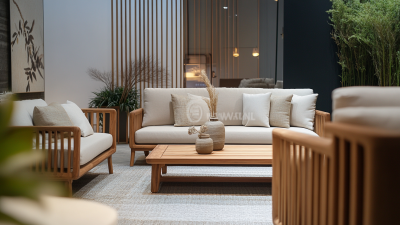
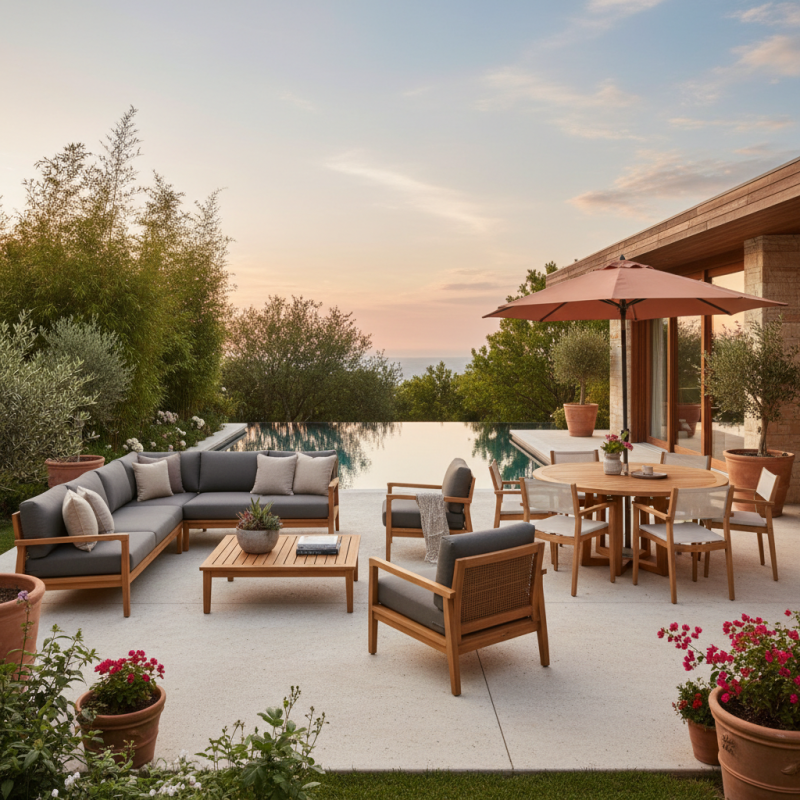
Teak outdoor furniture is witnessing exciting trends that merge functionality with aesthetics. One emerging trend is the use of minimalist designs. Clean lines and simple forms highlight the natural beauty of teak wood. This approach not only enhances the furniture's durability but also creates a calm outdoor ambiance.
Combining teak with other materials is gaining popularity. For example, pairing teak with metal or wicker adds texture and depth. This fusion brings versatility to outdoor spaces. It invites creativity while ensuring that outdoor furniture stands up to the elements.
Tips: Consider choosing pieces that are easy to maintain. Opt for finishes that protect the wood while allowing its natural beauty to shine. Think about the overall theme of your outdoor area. Make sure the furniture complements landscaping and existing decor. Reflect on your space's functionality. Pick sizes and styles that fit your lifestyle.
Sustainability Practices in Teak Sourcing and Production
Sustainable sourcing of teak is critical for preserving forests. Teak is valued for its durability and aesthetic appeal, but its sourcing has significant environmental implications. A report from the Forest Stewardship Council (FSC) highlights that certified teak forests help mitigate deforestation. The FSC certification ensures responsible forestry practices, promoting ecosystem conservation.
Moreover, a study from the International Tropical Timber Organization points out that teak production can be sustainable. The report emphasizes balancing ecological health with economic interests. Responsible teak plantations often incorporate agroforestry techniques. These practices enhance biodiversity while providing local communities with resources. However, challenges remain. Illegal logging persists, undermining sustainability efforts in some regions.
Market trends show a rising demand for sustainable outdoor furniture. Buyers are increasingly prioritizing eco-friendly products. Approximately 60% of consumers are influenced by sustainability when making purchasing decisions. This shift is forcing manufacturers to adopt better practices. Yet, many still grapple with the complexities of transparency in supply chains. Authenticating the source of teak remains an area requiring improvement.
Color and Finish Innovations in Teak Outdoor Furniture
The evolution of teak outdoor furniture is marked by remarkable innovations in color and finish. Traditional teak is beloved for its rich golden hue, but modern trends are introducing a spectrum of shades. Warm earth tones are gaining popularity alongside softer grays and even deep blues, providing fresh options for outdoor spaces. Buyers are increasingly intrigued by these unique finishes, which can transform the look of their patios or gardens.
Moreover, the finishes applied to teak furniture are becoming more sophisticated. Eco-friendly stains and protective coatings enhance durability without compromising aesthetics. These innovations ensure that the furniture retains its beauty for years. Some consumers, however, still grapple with maintenance concerns. Regular upkeep can be challenging, especially with new color treatments that may require special care.
The growing trend of customization is also noteworthy. Many buyers are seeking bespoke color solutions to match their existing decor. This desire for personalization reflects a deeper understanding of outdoor living. Still, the balance between innovation and tradition is a personal journey for many. Embracing new trends while honoring the classic essence of teak requires thoughtful consideration.
Market Growth Projections for Teak Outdoor Furniture Industry
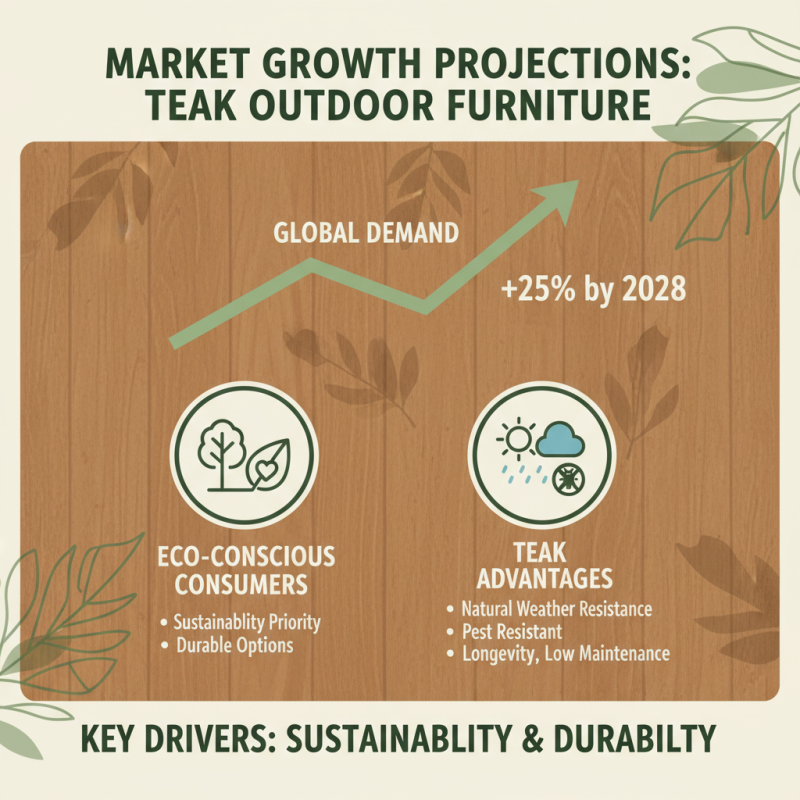
The teak outdoor furniture industry is witnessing remarkable growth. Market projections indicate a surge in demand, particularly driven by eco-conscious consumers. As sustainability becomes a priority, buyers increasingly seek durable options. Teak is a prime candidate due to its natural resistance to weather and pests. This robust material offers longevity, requiring minimal maintenance.
In terms of design, outdoor furniture styles are evolving. Minimalist and contemporary designs are increasingly appealing to buyers. Additionally, there is a growing interest in multifunctional pieces that can adapt to various outdoor settings. However, not all consumers are aware of the ecological impact of teak sourcing. It’s crucial to ensure responsible harvesting practices to preserve forests.
Challenges exist within the market as well. Higher prices can deter potential buyers. Furthermore, concerns over authenticity and quality must be addressed. Buyers need education on distinguishing genuine teak from lower-quality alternatives. Awareness of these issues will lead to informed purchasing decisions. The teak furniture market is set for growth, but awareness and education remain key for consumer satisfaction.
Consumer Preferences: Durability vs. Aesthetic in Outdoor Living Spaces
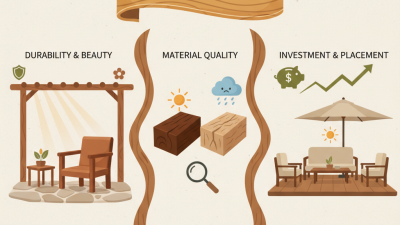
In outdoor living spaces, the debate between durability and aesthetics is crucial for consumers. Many buyers prioritize longevity. According to industry reports, 70% of consumers are willing to invest more in durable outdoor furniture. Teak, renowned for its resilience, stands out in this regard. It withstands varied weather conditions, making it a favorite for many.
However, aesthetics cannot be ignored. A recent survey showed that 60% of buyers look for visually appealing designs. The balance between a stylish appearance and robust functionality is key. It's essential to select pieces that not only last but also enhance the outdoor ambiance.
Tip: When considering outdoor furniture, look for items with a natural finish. This often enhances the beauty of teak and requires less maintenance.
In practice, some opt for cheaper alternatives, only to regret their choice when the furniture deteriorates. Durability should be the first filter in your selection process.
Tip: Always check for certifications that verify the quality of teak. This will guide you in making informed decisions.
Investing in quality outdoor furniture pays off over time. While aesthetics can provide immediate satisfaction, durability ensures long-term enjoyment and fewer replacements.