What is Outdoor Patio Furniture and How to Choose the Best?
Outdoor Patio Furniture has become a central element in enhancing outdoor living spaces. According to a recent report from the Furniture Today, the outdoor furniture market is projected to reach $22 billion by 2025. This growth demonstrates a rising interest in outdoor aesthetics and comfort.
When selecting Outdoor Patio Furniture, various factors come into play. Comfort is essential. Yet, many overlook durability and maintenance. The right choice can enhance your relaxation experience. For example, weather-resistant materials can save time and effort in upkeep. However, not every buyer considers the long-term implications of their selections.
Additionally, design plays a significant role. Consumers often desire stylish options, yet comfort should not be compromised. Many outdoor furniture pieces sacrifice usability for aesthetics. This tension highlights the necessity for informed decisions. Reflecting on functional needs while admiring beauty can lead to a more satisfying outdoor environment.

Understanding Outdoor Patio Furniture: Definition and Types
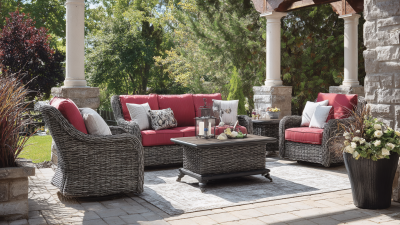
Outdoor patio furniture is essential for creating a relaxing outdoor space. It enhances the charm of patios, gardens, and balconies. This furniture comes in various types, each serving different purposes. Common materials include wood, metal, and wicker. These choices impact durability and maintenance. For example, metal furniture tends to withstand rain better but can get warm in sunlight.
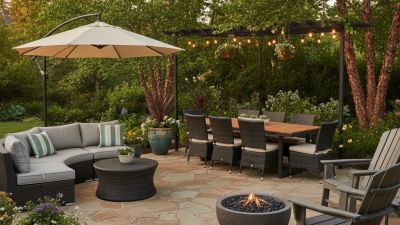
Different types of furniture exist for various activities. Lounge chairs provide comfort for sunbathing. Dining sets are ideal for outdoor meals. Some prefer hammocks for chilling. Think about how you want to use your space. Consider the style that resonates with you. A mismatched set may feel cozy but could also appear cluttered.
However, choosing the perfect outdoor furniture isn't always straightforward. Weather conditions can be a challenge. Rain may damage some materials, while UV rays can fade colors. Think about storage options for off-season use. You might want to assess colors that will complement your yard. Remember, it's easy to get overwhelmed by choices. Take your time and reflect on what works best for you.
What is Outdoor Patio Furniture and How to Choose the Best? - Understanding Outdoor Patio Furniture: Definition and Types
| Type of Furniture |
Material |
Durability |
Maintenance Level |
Comfort Level |
| Dining Set |
Aluminum |
High |
Medium |
High |
| Lounge Chair |
Wicker |
Medium |
Low |
Very High |
| Umbrella |
Fabric |
Low |
Medium |
N/A |
| Fire Pit Table |
Steel |
High |
Medium |
Medium |
| Outdoor Sofa |
Teak Wood |
Very High |
Low |
High |
Key Materials Used in Outdoor Patio Furniture and Their Benefits
When choosing outdoor patio furniture, the materials play a crucial role. Common options include aluminum, wood, and wicker. Each material has unique benefits. Aluminum is lightweight and resistant to rust. This makes it ideal for various weather conditions. According to a recent industry report, over 40% of consumers prefer aluminum due to its durability.
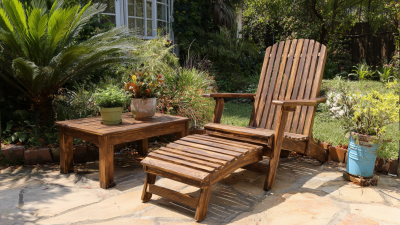
Wooden furniture, on the other hand, offers a classic and natural look. Teak and eucalyptus are popular choices. Teak is particularly favored for its water-resistant properties, which can last for decades. But it requires regular maintenance. In contrast, composite materials are engineered for higher durability. They are also low maintenance but can lack the authentic feel of natural wood.
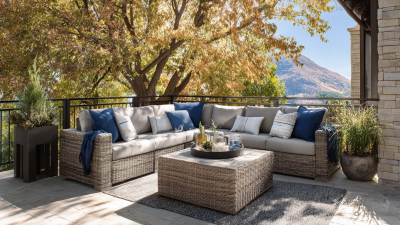
Wicker furniture, typically made from synthetic materials, is also a favorite. It is stylish and easy to move. However, not all wicker is created equal. High-quality synthetics resist fading and cracking. A survey indicated that 35% of buyers find comfort a key factor in making their choice. Comfort often links back to the material used. Thus, it’s essential to balance style with practicality when selecting outdoor furniture.
Factors to Consider When Choosing Outdoor Patio Furniture
When choosing outdoor patio furniture, several factors come into play. Material is crucial. According to a 2022 industry report, 45% of consumers prefer aluminum furniture for its durability and resistance to rust. However, wood options, like teak, remain popular for their aesthetic appeal. Yet, wood requires regular maintenance. It's vital to weigh style against practicality.
Comfort should also be a priority. An estimated 60% of shoppers indicate that comfortable seating enhances their outdoor experience. Cushions make a significant difference here. Look for weather-resistant fabrics to prevent fading and mildew. But even the best cushions won't last forever. Users often find themselves replacing worn-out cushions sooner than expected.
Lastly, consider size and space. Measure your patio before purchasing. Oversized furniture can overwhelm a small area. A study found that 35% of customers regretted their choice due to poor fit. Functionality should align with dimensions. Oversized sections look appealing but can hinder movement. Think about how you plan to use the space.
Popular Materials for Outdoor Patio Furniture
Popular Trends in Outdoor Patio Furniture Design (2023 Data)
In 2023, outdoor patio furniture is evolving faster than ever. Recent reports indicate a significant shift towards sustainable materials. About 55% of consumers prefer eco-friendly options. This trend emphasizes natural wood, recycled plastics, and durable metal. Brands focus on low-impact production processes.
Color schemes have also transformed. Earthy tones and bold hues are in demand. A study suggests that 40% of buyers want vibrant colors for their outdoor spaces. It reflects a desire for personalization. However, some consumers still stick to neutral shades. This duality shows a division in taste and preference.
Comfort remains a primary concern. Many customers now consider cushions with high-density foam. Over 70% seek outdoor furniture that offers both style and comfort. However, some still overlook the importance of weather-resistant materials. This oversight can lead to disappointing results. Investing in quality furniture can save money long-term. The balance between aesthetics and functionality continues to challenge shoppers. Finding the right piece takes time and reflection.
Maintenance Tips for Extending the Life of Patio Furniture
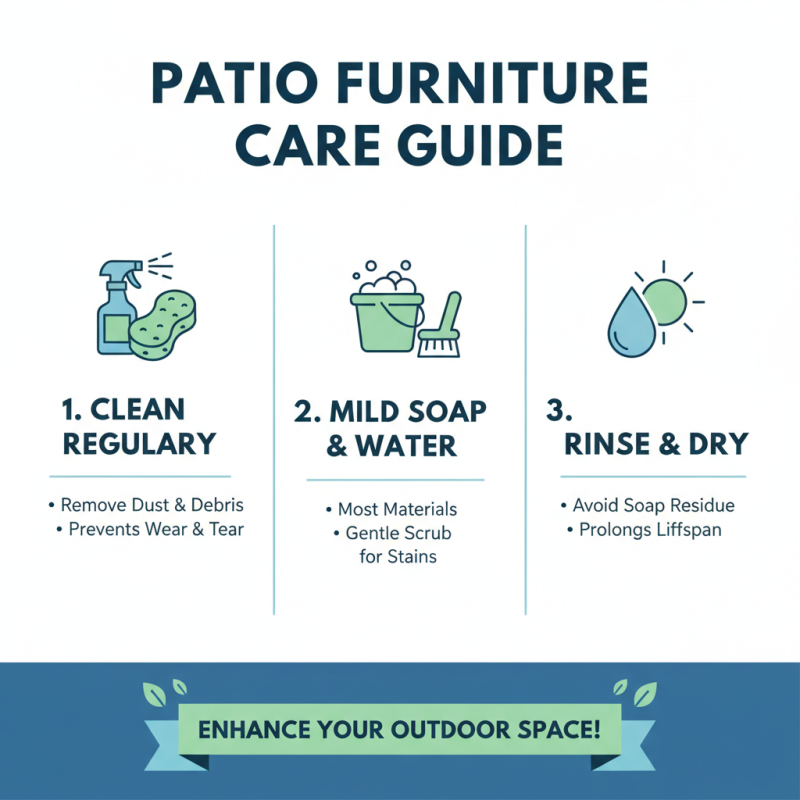
Patio furniture can enhance your outdoor space. However, without proper maintenance, it may not last long. Regular cleaning is essential. Dust and debris can accumulate, causing wear and tear. You can use mild soap and water to clean most materials effectively. For tougher stains, consider using a gentle scrub brush. Rinse thoroughly afterwards to avoid soap residue.
Protect your furniture from harsh weather. A cover can shield it from rain and UV rays. If you live in an area with extreme conditions, consider storing furniture indoors during winter. This will prevent fading and cracking. Regularly check for loose screws or hinges. Tightening them can extend the life of your furniture significantly.
Inspecting for scratches or damage is also critical. You might need to sand down rough edges. Applying a sealant can provide extra protection, especially for wooden pieces. However, not all finishes are equal. Some may wear off quickly or react poorly to sunlight. It’s important to choose wisely. Just remember, outdoor furniture needs love and care. Neglecting these details might lead to wear that could have been prevented.