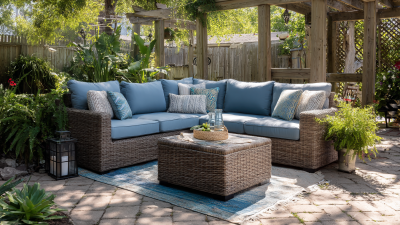
An Outdoor Corner Sofa can turn an empty patio into a practical outdoor room. Its L-shaped design uses corners efficiently, while giving family and guests more space to sit, talk, and relax. Picture deep cushions beside a coffee table, with enough room for a tray, books, and wet sandals after a summer shower.
Outdoor-living designer Brian Patrick Flynn offers a useful principle: “Comfort is the foundation of any outdoor room.” That idea matters when choosing an Outdoor Corner Sofa. Look beyond appearance. Check the seat depth, back angle, cushion density, frame material, and fabric performance. A sofa may look elegant online but feel too low or firm in person. That mistake is common.
Measure the patio carefully. Leave clear walking space around the sofa, especially near doors and grills. Consider sunlight, wind, rain, and storage before selecting colors or upholstery. Powder-coated aluminum suits many exposed areas because it resists rust and feels relatively light. Teak brings warmth, but it needs regular care if you want its original golden tone. Quick-dry foam can also reduce moisture problems after unexpected rain.
There is no perfect choice. A large sofa offers generous seating but can overwhelm a narrow balcony. Modular pieces provide flexibility, yet connectors may loosen over time. This guide explains the main styles, materials, comfort features, and maintenance needs. It also questions a tempting assumption: the most expensive Outdoor Corner Sofa is not always the most durable or comfortable one.
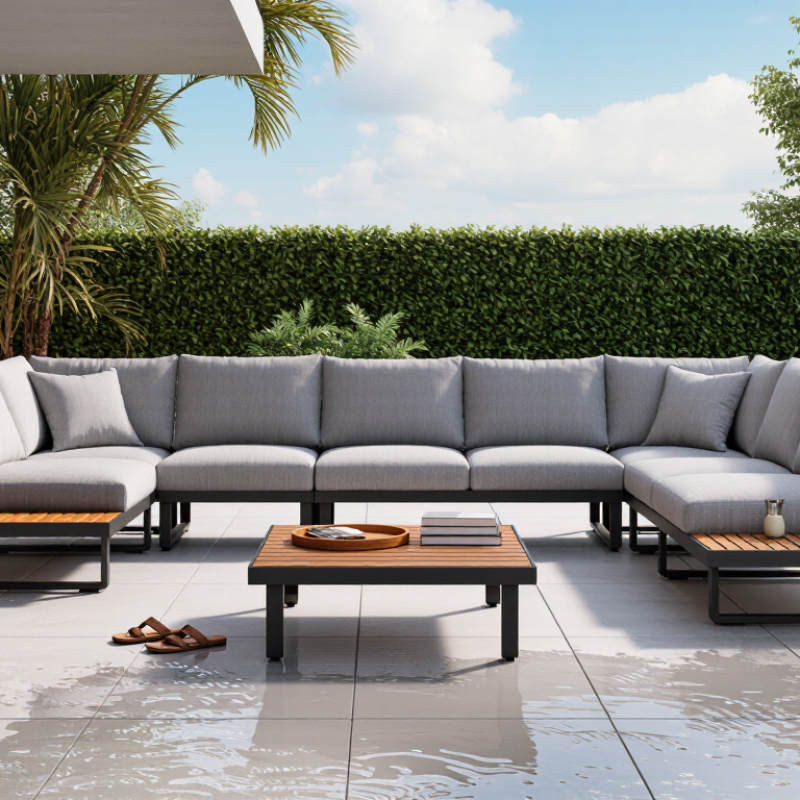
An outdoor corner sofa is a weather-ready seating system with two sections meeting at a right angle. Its L-shaped design uses corners efficiently and creates a relaxed space for conversation. One side may face a garden, while the other faces a table or outdoor view. The sofa usually includes a frame, seat cushions, back cushions, and connecting hardware.
It works through support and arrangement. The frame carries body weight, while slats or woven panels allow air to move underneath. Removable cushions provide comfort, but their covers must dry fully after rain. Some designs are modular, so users can switch the corner from left to right. Others have a fixed orientation. It sounds simple. It is not always.
Measure the available area before choosing a model. Leave walking space behind the sofa and room to open nearby doors. Check the frame material, drainage, cushion thickness, and fabric resistance to sunlight. In coastal areas, salt air can accelerate corrosion, even when a product looks sturdy. I once assumed heavy furniture needed no protection, but standing water still damaged the lower joints. A raised base and breathable cover can help, although a cover may trap moisture when used too soon. Consider how many people sit regularly, not only the largest number shown in a product description. A deep seat feels comfortable for lounging, but it may feel awkward at a dining-height table.
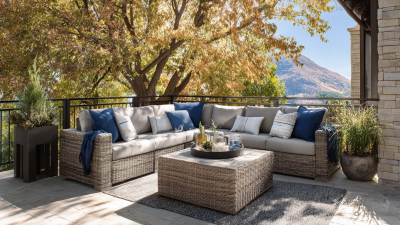
An outdoor corner sofa joins two seating sections at a right angle, creating a comfortable social space. The main type is the L-shaped sofa. It fits neatly against two walls, railings, or balcony edges. One side may include a chaise for stretching out after dinner. It works well in compact patios.
U-shaped sofas offer more seating and create a sheltered conversation area. They need considerable floor space, so measure carefully around tables, doors, and walking routes. Modular corner sofas use separate pieces that can be rearranged when your needs change. This flexibility is useful for parties, although loose sections may shift on smooth tiles. Curved corner sofas provide softer lines and easier conversation, but they can leave awkward gaps beside straight walls. Some designs combine benches, ottomans, and corner units. These are practical when the seating layout changes often.
Your local weather should guide the frame and cushion choice. Powder-coated metal resists moisture, while treated timber brings warmth but needs regular care. Look for quick-drying cushions, raised feet, and removable covers. I once chose a very deep seat for comfort, then found it difficult to sit upright while eating. That mistake changed how I measure furniture. Check seat height, depth, corner direction, and cushion storage before buying. Do not assume a larger sofa feels better. Test the layout with cardboard or masking tape first.
Outdoor corner sofas are commonly available in L-shaped, U-shaped, modular, and curved configurations. The chart compares their typical seating capacity, helping you choose a layout based on available space and the number of people you want to accommodate.
An outdoor corner sofa turns an unused patio angle into a practical seating area. Its L-shaped design supports conversation while leaving more floor space open. Choosing one is less about appearance and more about surviving weather, use, and maintenance.
Aluminum frames are light, rust-resistant, and easy to move. Powder-coated finishes add protection, but scratches can still expose the metal. Teak and other dense hardwoods feel warm and stable. They need periodic cleaning and oiling, although some owners prefer natural silvering. Steel feels strong, yet it requires reliable anti-rust treatment. I once underestimated this detail; a small chip near a joint became a maintenance problem after one wet season. Plastic and synthetic resin can be affordable, but thin panels may fade or flex in strong sun.
Cushion fabric matters just as much. Look for solution-dyed outdoor textiles, quick-drying foam, and removable covers with strong zippers. A slight slope helps rain escape, while raised feet improve airflow beneath the sofa. Check the seat depth before buying. Deep cushions look inviting but may feel awkward for shorter users. Also measure doorways, balcony access, and the sofa’s turning space. Test the frame for movement. It should feel firm, not merely heavy. Storage covers can help, but trapped moisture may cause mildew. No material is perfect. Your local climate, cleaning habits, and available shelter should guide the final choice.
An outdoor corner sofa combines two seating sections at a right angle. It creates a social area while using the edge of a patio efficiently. The corner usually supports an L-shaped layout, but modular pieces can form wider arrangements. Size matters more than appearance.
Measure the available floor before choosing cushions or upholstery. Record the wall lengths, door swings, steps, and drainage points. Leave at least 75 centimetres for comfortable walking routes. A small balcony may suit a compact two- or three-seat L-shape. Larger patios can hold a U-shaped configuration, provided circulation remains open. Keep roughly 40 to 50 centimetres between the sofa and a coffee table. This allows knees, cushions, and cleaning tools to fit.
Check the sofa’s total depth carefully. Deep seats feel relaxed, yet they can consume valuable space. A seat depth near 55 to 70 centimetres often balances comfort and movement. Confirm whether the corner is fixed, reversible, or modular. A reversible corner can adapt when furniture moves. Measure each module separately if access is narrow. I once focused on the sofa’s footprint and forgot the delivery path. The pieces fit the patio, but not the side gate. That mistake was avoidable. Also check seat height, armrest width, and cushion storage. Low seating may look elegant, but older guests can find it difficult to rise. Choose a configuration that matches real users, not only the room’s photograph.
An outdoor corner sofa creates a comfortable seating area, but its exposed position demands regular care. Sunlight fades fabric, while rain can settle inside cushions and cause mildew. Check the sofa weekly, especially after storms or dusty weather.
Brush away leaves with a soft brush. Clean spills quickly using lukewarm water and mild soap. Test the solution on a hidden area before treating the entire fabric. Remove cushions and let every surface dry completely. Do not store damp cushions in a box or covered space. That mistake can create a musty smell within days. Avoid strong bleach and pressure washers, which may weaken fabric fibers or damage protective coatings.
Use a breathable, water-resistant cover during long periods of poor weather. Leave space around the sofa so air can circulate. A sealed plastic cover may trap condensation. Inspect the frame, joints, and feet each month. Tighten loose fittings and look for rust on metal parts. Wooden frames need an exterior-rated protective treatment when the surface starts looking dry or pale. Place the sofa on a level surface, away from standing water. In winter, move cushions indoors and raise the sofa slightly if possible. I once ignored a small tear near a cushion seam, and it became much larger after repeated rain. Early repairs are usually simpler, cheaper, and less visible.