What is Metal Outdoor Furniture and Why You Should Choose It for Your Patio
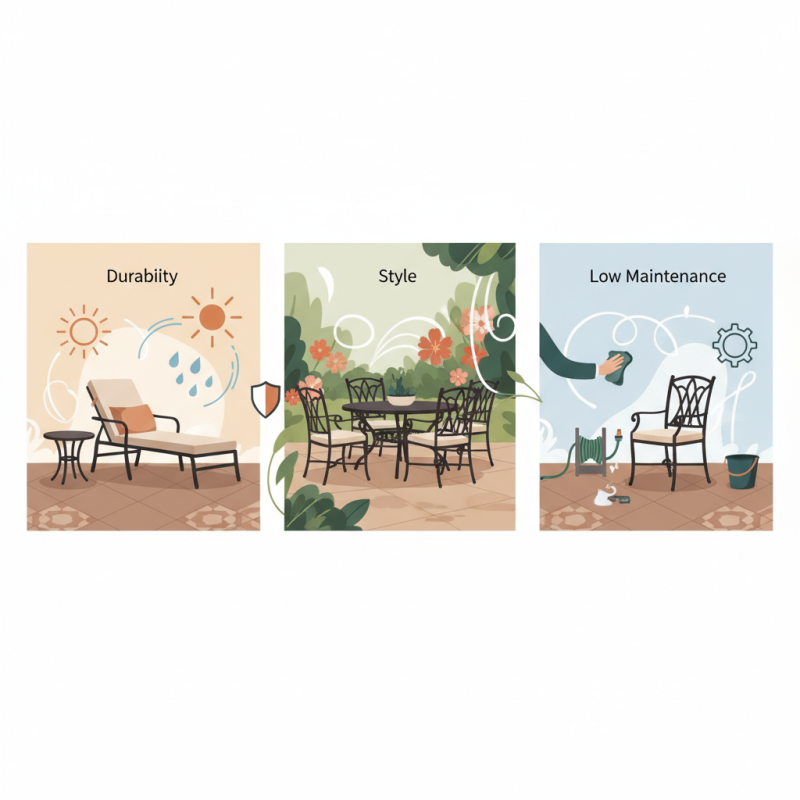
When it comes to enhancing your outdoor living space, the type of furniture you choose can make all the difference, and one material stands out among the rest: metal. Metal outdoor furniture offers an ideal combination of durability, style, and low maintenance, making it a popular choice for patios and gardens. Whether you're looking to create a cozy nook for morning coffee or an elegant setting for evening gatherings, metal outdoor furniture can provide the perfect backdrop for your outdoor lifestyle.
Not only does metal outdoor furniture come in a variety of designs and finishes, but it also withstands the challenges posed by weather elements, ensuring longevity and reliability. While wood and plastic might require frequent upkeep, metal's inherent properties make it resistant to warping, fading, and rust, especially when treated properly. This resilience allows homeowners to enjoy their outdoor spaces without the constant worry of wear and tear. In this article, we will explore the benefits of choosing metal outdoor furniture for your patio, highlighting its aesthetic appeal and practical advantages that can transform your outdoor oasis into a stylish retreat.
What is Metal Outdoor Furniture? A Comprehensive Overview
Metal outdoor furniture refers to a variety of furniture options designed for outdoor use, constructed primarily from metals like
aluminum, steel, or wrought iron. These materials are chosen for their
durability and resistance to harsh weather conditions. Unlike traditional wooden or plastic furniture,
metal furnishings can withstand rain, sun, and even snow without warping or deteriorating quickly. This makes metal furniture an ideal choice for patios, decks, and gardens,
where exposure to the elements is a concern.
Additionally, metal outdoor furniture comes in a diverse range of styles and finishes, allowing homeowners to select pieces that complement their outdoor aesthetic. From sleek, modern designs to classic
wrought iron styles, there is something to suit every taste. Many pieces are also designed with functionality in mind, featuring features such as
stackability for easy storage or lightweight constructions for easy mobility. With proper maintenance, such as
regular cleaning and occasional rust prevention treatments, metal outdoor furniture can offer long-lasting beauty and functionality for years to come, making it a sensible investment for enhancing outdoor living spaces.
Benefits of Metal Outdoor Furniture for Durability and Longevity
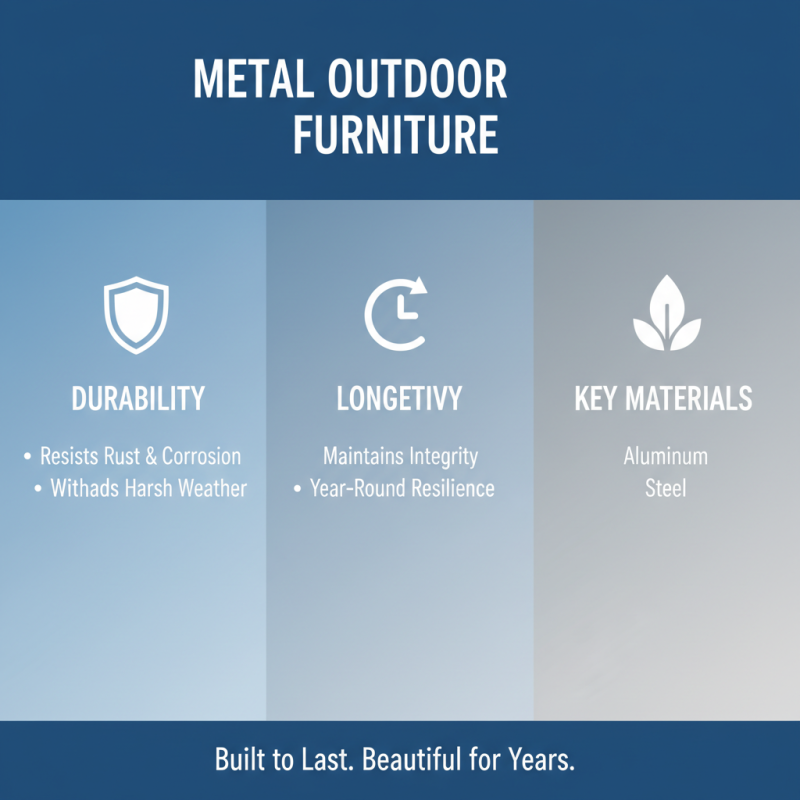
Metal outdoor furniture has gained popularity for its exceptional durability and longevity. One of the key benefits of metal furniture is its ability to withstand harsh weather conditions. Unlike wood, which can warp or rot over time, metal materials such as aluminum and steel resist rust and corrosion, making them ideal for outdoor settings. This resilience ensures that metal furniture can maintain its structural integrity and aesthetic appeal year after year, even when exposed to rain, sun, and wind.
In addition to its weather resistance, metal outdoor furniture often requires minimal maintenance. A simple wipe-down with soapy water is usually sufficient to keep it looking pristine. This ease of care allows homeowners to enjoy their outdoor spaces without the hassle of frequent upkeep. Moreover, the sturdiness of metal means that it can support substantial weight, making it a reliable choice for family gatherings and entertaining. Overall, the combination of durability, low maintenance, and the timeless aesthetic of metal furniture makes it a wise investment for any patio or outdoor area.
Comparative Analysis: Metal vs. Wood and Plastic Outdoor Furniture
When comparing metal outdoor furniture to wood and plastic options, several key factors should be considered: durability, maintenance, and aesthetics. Metal furniture is renowned for its robustness. Unlike wood, which can warp or rot over time, metal withstands various weather conditions, including rain and sun exposure. This durability ensures that metal pieces can last for many years with proper care. Additionally, metal furniture typically requires less maintenance compared to wood, which often needs regular staining or sealing to protect it from the elements.
On the other hand, plastic furniture offers lightweight convenience and can be a cost-effective option, but it may lack the longevity and sturdiness that metal provides. Plastic can fade under UV exposure and may become brittle over time. In contrast, while wood furniture brings a classic, natural look to outdoor spaces, its susceptibility to the elements can make it a less practical choice for those looking for low-maintenance options. Ultimately, choosing metal outdoor furniture combines durability with style, providing a sophisticated look while standing the test of time against outdoor elements.
What is Metal Outdoor Furniture and Why You Should Choose It for Your Patio - Comparative Analysis: Metal vs. Wood and Plastic Outdoor Furniture
| Material Type |
Durability |
Maintenance |
Aesthetic Appeal |
Cost |
| Metal |
Excellent; resistant to rust and weather conditions |
Low; occasional cleaning needed |
Sleek and modern designs available |
Moderate to high |
| Wood |
Good; can warp or crack over time |
High; requires regular sealing and treatment |
Classic and natural beauty |
Moderate to high |
| Plastic |
Fair; can fade and become brittle |
Very low; just simple cleaning needed |
Limited designs; more functional than aesthetic |
Low |
Popular Metal Materials Used in Outdoor Furniture: Aluminum vs. Steel
When considering outdoor furniture, metal options such as aluminum and steel are increasingly popular due to their durability and aesthetic appeal. Aluminum is highly praised for its lightweight characteristics, making it easy to move around patios or gardens. According to a report by the American Society of Landscape Architects, 70% of outdoor furniture designs incorporate aluminum, thanks to its resistance to corrosion and minimal maintenance requirements. This makes aluminum an excellent choice for various climates, particularly those with high humidity or frequent rain.
On the other hand, steel offers a different set of advantages. Known for its strength and sturdiness, steel furniture can withstand harsher conditions and is less likely to be damaged or bent under heavy use. However, it does require more maintenance as it is prone to rusting if exposed to moisture. A study published by the Outdoor Furniture Manufacturers Association indicates that while steel accounts for only 20% of the outdoor furniture market, it appeals to consumers looking for robust and enduring options.
Tips: Always consider the climates in which your furniture will reside. If you're in a coastal area, aluminum may be a better choice due to its rust-resistant properties. For those prioritizing durability and strength, ensure any steel furniture is properly treated with a protective finish. Regular maintenance, such as cleaning and applying protective coatings, can prolong the life of your metal furniture, ensuring it remains not only functional but also visually appealing for years to come.
Comparison of Popular Metal Materials Used in Outdoor Furniture
Maintenance Tips to Ensure Longevity of Metal Outdoor Furniture
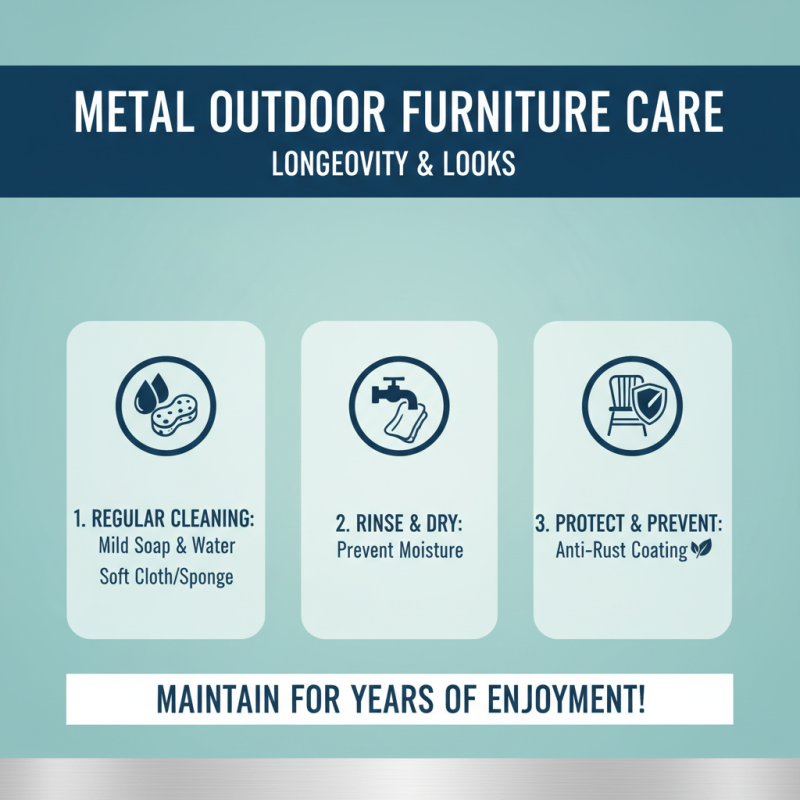
Maintaining metal outdoor furniture is essential to ensure its longevity and keep it looking great over the years. One of the primary aspects of maintenance is regular cleaning. Dust, dirt, and other debris can accumulate and lead to corrosion if not removed. Use a soft cloth or sponge with mild soap and water to gently clean the surfaces, paying particular attention to joints and crevices. Rinsing with clean water and drying thoroughly will help prevent moisture accumulation, which can accelerate rusting.
Another important maintenance tip is to apply a protective coating periodically. Depending on the type of metal, using a rust-resistant spray or a sealant can create a barrier against the elements. Additionally, keeping the furniture covered during extreme weather conditions or storing it indoors during winter months can significantly prolong its lifespan. Inspecting the furniture regularly for signs of wear, such as scratches or rust spots, allows you to address issues before they worsen, ensuring that your metal outdoor furniture remains a beautiful and functional addition to your patio for many years to come.