10 Essential Tips for Choosing the Best Front Porch Furniture for Your Home?
Choosing the right Front Porch Furniture can significantly enhance your outdoor living space. Reports indicate that outdoor furniture sales have surged by over 25% in the past few years, reflecting increasing consumer interest. Many homeowners seek comfort and style on their porches, making it essential to select pieces that complement their home aesthetics.
The ideal front porch furniture should balance durability and design. For instance, weather-resistant materials like aluminum and resin wicker are popular due to their resilience. However, it often leads to overlooking comfort. Sofas and chairs must support relaxation while being functional. It's not just about looks; consider how often you'll use these furnishings.
Reflect on the space available. A cluttered porch can feel chaotic, while well-chosen pieces create harmony. The market offers various options, but not all fit your needs or dimensions. Striking that balance can be challenging. Don't rush the decision; quality often trumps quantity in outdoor furniture, and thoughtful choices lead to a welcoming front porch.
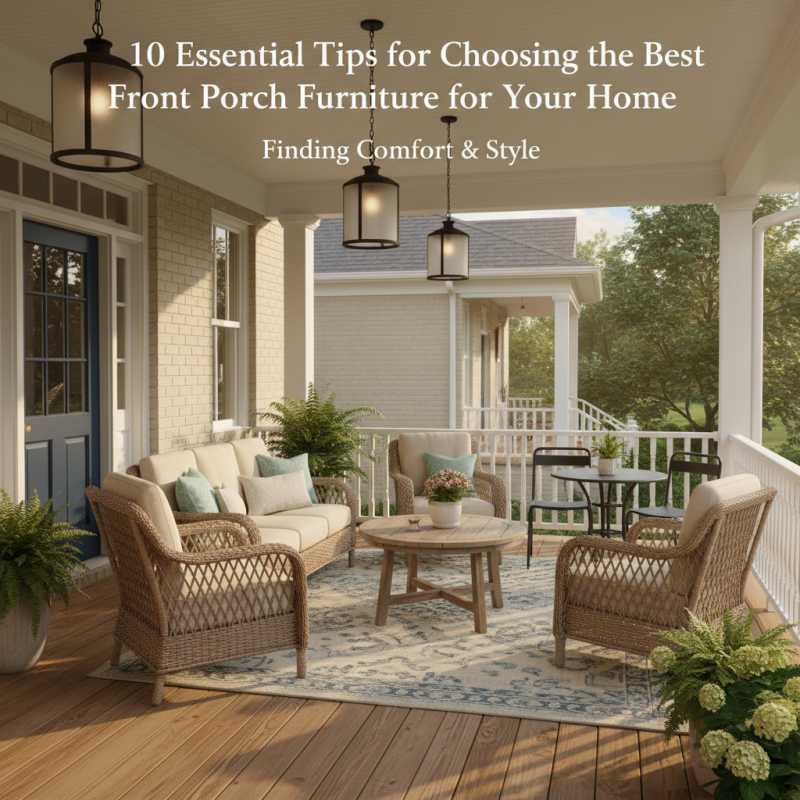
Understanding Your Front Porch Space and Needs
When choosing furniture for your front porch, understanding your space is crucial.
Measure the area to get a sense of its dimensions. Consider how many people will use it.
Will it be a quiet retreat or a gathering spot? A cozy nook requires different furniture than
a lively entertaining area.
Think about the style you'll want.
Rustic charm might pair well with a wood swing, while modern vibes call for sleek metal chairs.
Add a small table for drinks or books. Don't shy away from mixing textures, either.
A wicker chair next to a metal table can create visual interest.
Pay attention to the flow. Ensure there's enough space for movement.
Too much furniture can make it cluttered and cramped.
Also, consider the weather conditions in your area.
Does your porch get a lot of sun? Or is it mostly shaded?
This will affect your choice of materials. Some may fade under harsh sunlight,
while others may not withstand rain. Reflect on your preferences and daily routines.
The right furniture will enhance your porch, making it an enjoyable extension of your home.
Selecting Durable Materials for Weather Resistance
Choosing the right materials for your front porch furniture is crucial. Weather conditions can take a toll on your furnishings. According to a report from the American Society of Interior Designers, nearly 70% of outdoor furniture is not durable enough to withstand the elements. This statistic should make you reconsider your selections.
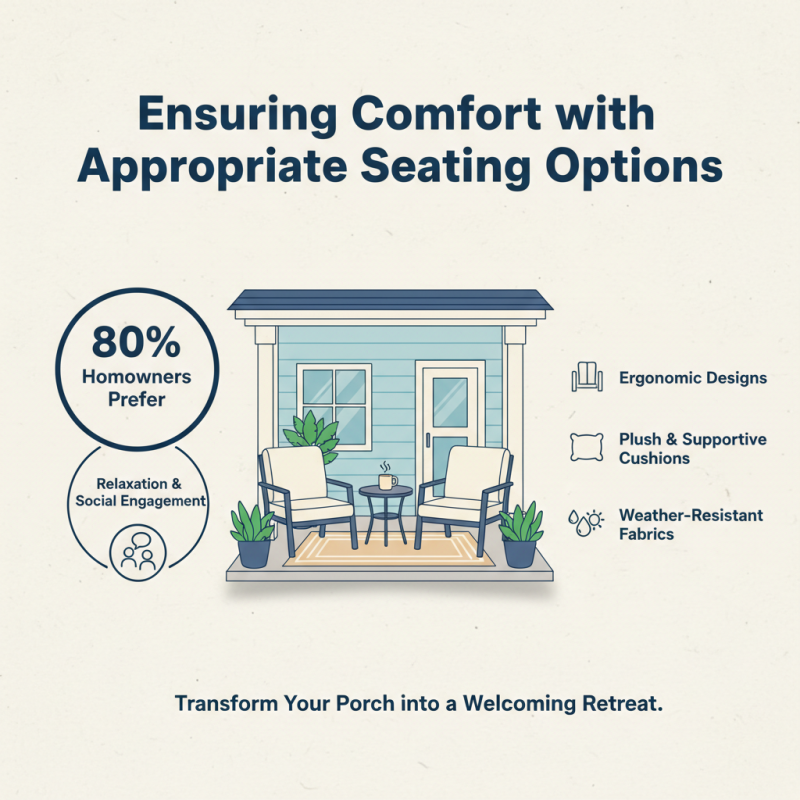
Look for materials like aluminum, teak, or synthetic resin. These options hold up well against rain and wind. For example, teak wood contains natural oils that resist moisture, while aluminum doesn’t rust or corrode. Additionally, synthetic resin can mimic wood's beautiful aesthetic while being more resilient. A survey showed that 80% of homeowners prefer synthetic materials for outdoor spaces due to their longevity.
Avoid untreated wood or flimsy plastic. These can warp, crack, or fade quickly. In fact, untreated wood can deteriorate in just one season. If you opt for cushions, make sure they are covered with water-resistant fabrics. Fabrics without this feature can absorb water and mildew. Keep these factors in mind, and your porch can remain an inviting space for years.
10 Essential Tips for Choosing the Best Front Porch Furniture for Your Home - Selecting Durable Materials for Weather Resistance
| Material |
Durability |
Weather Resistance |
Maintenance Level |
| Teak Wood |
High |
Excellent |
Low |
| Aluminum |
Medium |
Good |
Very Low |
| Wicker |
Medium |
Fair |
High |
| Plastic |
Low |
Good |
Very Low |
| Steel |
High |
Good |
Medium |
Choosing the Right Style to Complement Your Home Design
When selecting front porch furniture, consider how it fits with your home’s overall design. A modern house may benefit from sleek lines and minimalist pieces. Mid-century options can add a touch of retro charm. Rustic styles, like wood or wicker, might work best for country homes.
Color is also crucial. It should either contrast or harmonize with your exterior walls. Soft pastels can create a calming effect, while bold colors can make a statement. Be cautious, though; an overly bright color may clash with surrounding elements.
Think about functionality along with style. Will the furniture be used for relaxing or entertaining? Space constraints might limit your options. Ensure you have enough room to move around comfortably. A well-chosen piece can elevate your space while keeping it cozy. Reflect on these aspects before making a purchase.
Incorporating Accessories for Functionality and Aesthetics
When selecting front porch furniture, accessories play a crucial role. They enhance functionality and aesthetics, creating inviting spaces. According to a recent industry report, nearly 70% of homeowners recognize that accessories like cushions, throws, and plants can significantly improve outdoor seating comfort.
Consider the size and style of your porch. An oversized chair can overpower a small area. In contrast, small furniture may feel lost on a spacious porch. Optimal proportions matter. Incorporate accessories such as side tables and outdoor rugs to define spaces. They also provide surfaces for drinks and decorative items. Studies show that 58% of people prefer multifunctional furniture for added convenience.
Adding layers of texture through different materials can create visual interest. Use wicker, metal, and fabrics that resist fading. Potted plants or vibrant flowers can liven up the area, making it more inviting. However, while choosing accessories, avoid clutter. A busy space can feel overwhelming. Balance is key. Achieving harmony between function and design will cater to comfort while enhancing your home's exterior appeal.
10 Essential Tips for Choosing the Best Front Porch Furniture