How to Choose the Best Patio Dining Sets for Your Home?
Choosing the right patio dining sets for your home is crucial. Outdoor dining spaces are often used for family gatherings and entertaining guests. As outdoor living becomes increasingly popular, the demand for quality patio dining sets is soaring.
According to Janice Walker, a renowned outdoor furniture designer, "The right patio dining set can transform any space into a personal oasis." This emphasizes the importance of making thoughtful choices. A comfortable dining set can make outside dining enjoyable.
However, selecting the perfect patio dining set can be overwhelming. There are various styles, materials, and price points. It’s easy to feel lost in a sea of options. You might love a certain style but find it doesn’t fit your space. Take time to reflect on your needs and preferences. The perfect set should blend style with functionality while creating a warm ambiance.
Factors to Consider When Choosing Patio Dining Sets
When selecting the best patio dining set, several factors come into play. Material choice is crucial. Weather-resistant materials like aluminum or teak perform better outdoors. A study by the American Society of Landscape Architects highlighted that 72% of homeowners prefer metal or wood for outdoor furniture. This preference reflects durability and aesthetic appeal.
Size matters significantly. Consider your space. A set that's too large can overwhelm a small patio. Conversely, a tiny set may feel lost in larger areas. Measurements are essential before purchasing. The National Association of Home Builders suggests ensuring at least three feet of clearance around dining sets for comfort.
Comfort is often overlooked. Cushioned seats enhance the dining experience. However, they require maintenance. Some cushions fade quickly. Choosing the right color could minimize this issue, but it's not infallible. There’s a fine line between style and functionality. Reflect on what you truly need versus what looks good on display.
Materials Commonly Used in Patio Dining Sets
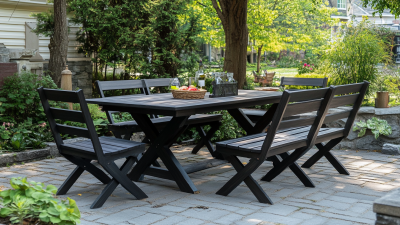
When choosing patio dining sets, material is key. Common options include wood, metal, and synthetic fibers. Each material offers unique advantages and challenges. For instance, wooden sets often bring a warm, rustic aesthetic. However, they require regular maintenance to prevent weather damage. Without proper care, they may splinter or warp over time.
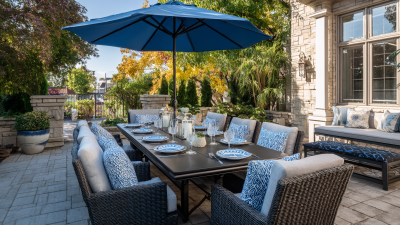
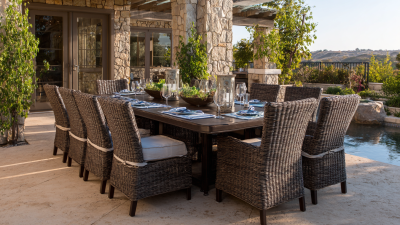
On the other hand, metal sets are durable and can withstand harsh elements. Aluminum and steel are popular choices. They resist rust, but can become hot in the sun. This could be uncomfortable during warm summer days. Meanwhile, synthetic materials like wicker or resin are lightweight and often fade-resistant. They mimic natural fibers but may not feel as authentic.
When selecting a material, consider your local climate. If you live in a rainy area, choose materials that resist moisture. Reflect on your lifestyle, too. Do you entertain often? Lightweight materials may be best for frequent rearranging. Ultimately, the right choice balances aesthetics, durability, and maintenance needs.
Assessing Space and Size for Your Patio Dining Area
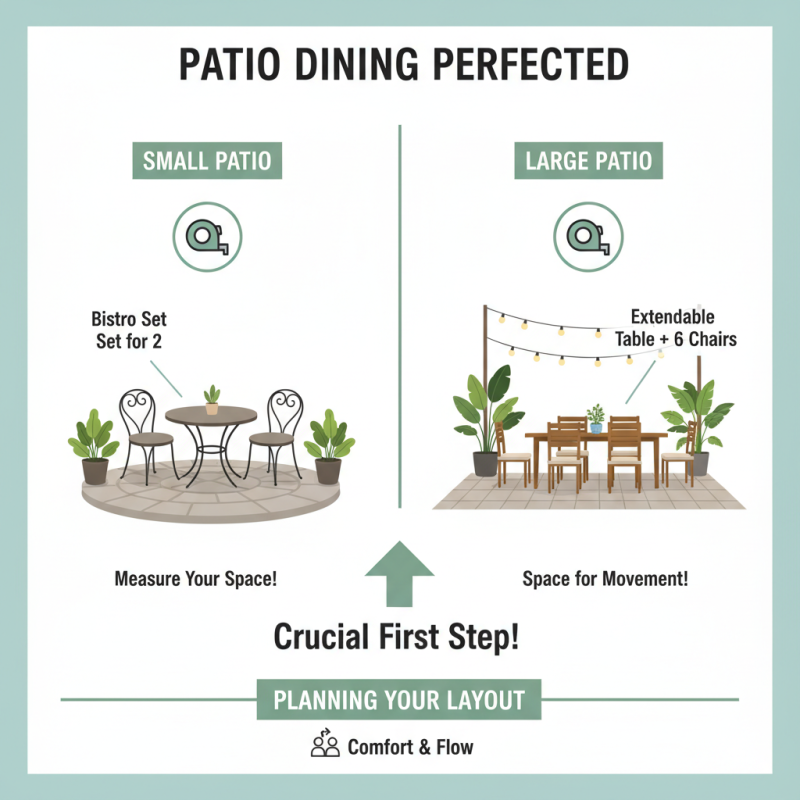
When planning your patio dining area, start by measuring your available space. This step is crucial. It helps determine the size and shape of the dining set you can fit comfortably. A small patio might only allow for a bistro table and two chairs. However, a larger area could accommodate a rectangular table with multiple seats. Keep in mind the space needed for movement. You want guests to interact freely without feeling cramped.
Next, consider the layout. A round table works well for cozy spaces. It encourages conversation and offers a more intimate vibe. On the other hand, rectangular sets are perfect for larger gatherings. They often provide more usable surface area but can overwhelm a tight space. Additionally, assess your existing furniture. If you have outdoor couches or loungers, ensure the dining set complements them.
Reflect on your lifestyle as well. If you host often, a sizable table is essential. However, if you dine solo or with a partner, a smaller set may suffice. Think about how often you will use the space. A less frequent use might warrant a less elaborate setup. Balance practicality with aesthetics for a functional yet inviting outdoor dining experience.
Styles and Designs of Patio Dining Sets to Match Your Home
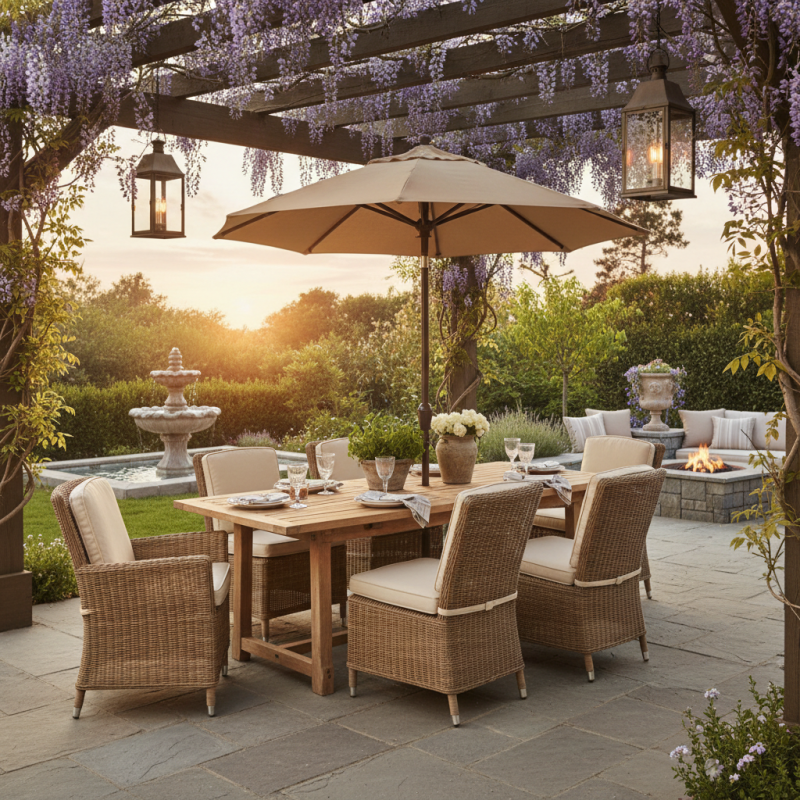
When selecting patio dining sets, focus on styles that suit your outdoor space. Think about the overall aesthetic of your home. A rustic wooden set may enhance a cozy farmhouse feel. Alternatively, a sleek metal design can complement modern architecture. Pay attention to the colors and materials used. Neutral tones can blend well with nature, while bold colors can add a pop of excitement.
Consider the layout of your patio. If you have a small area, a compact bistro set could be perfect. For larger spaces, look for extendable tables or sectional seating. Comfort is critical. Look for cushions that feel inviting, but be realistic about maintenance. Light colors can stain easily, and fabrics might fade under the sun. Think about the functionality too. Can the set withstand various weather conditions? It’s essential to balance style with practicality.
The arrangement of your dining set matters as well. Ensure there’s enough space for movement. Lighting can also set the mood for outdoor meals. String lights or lanterns can create a warm atmosphere. Reflect on what works best for your needs. Sometimes, a choice may look great initially, but functionality might falter. Take your time and choose wisely.
How to Choose the Best Patio Dining Sets for Your Home?
| Style |
Material |
Seating Capacity |
Price Range |
Weather Resistance |
| Modern |
Aluminum |
4-6 |
$300 - $600 |
High |
| Rustic |
Wood |
6-8 |
$400 - $800 |
Medium |
| Contemporary |
Wicker |
2-4 |
$200 - $500 |
Medium |
| Traditional |
Cast Iron |
4-6 |
$500 - $1000 |
High |
| Minimalist |
Stainless Steel |
2-6 |
$350 - $700 |
Very High |
Budgeting for the Best Patio Dining Sets: What to Keep in Mind
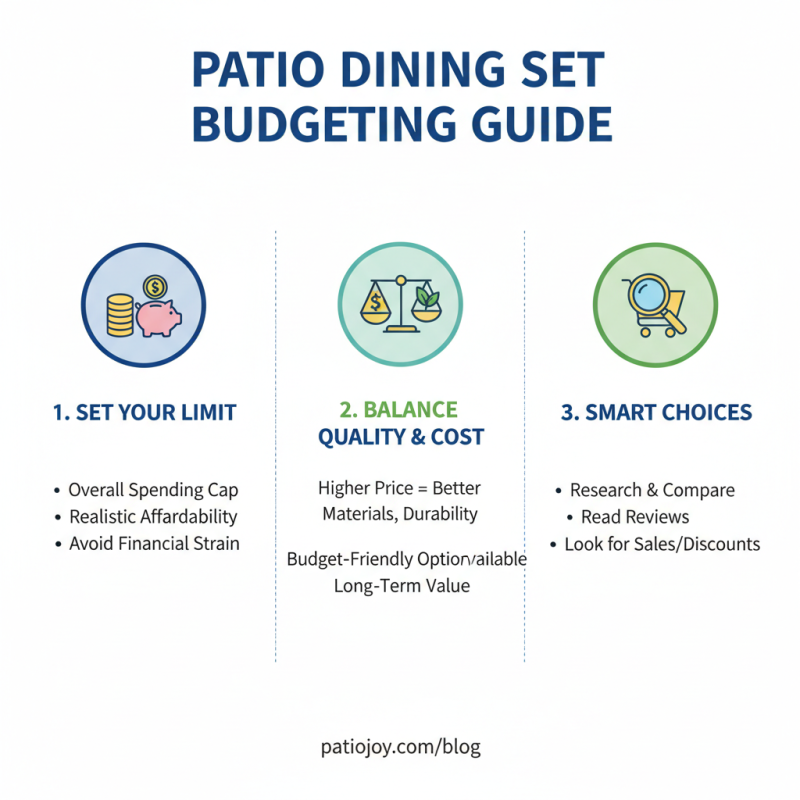
When budgeting for patio dining sets, consider your overall spending limit. Think about how much you can realistically afford without strain. Balance quality and cost is crucial. Often, higher prices mean better materials and durability. However, there are budget-friendly options that can work well.
Measure your patio space carefully. A small area might not accommodate a large table. Choosing the wrong size could lead to frustration later. Look for versatile designs that fit your needs. If you have a large family or enjoy entertaining, factor in extra seating. This may require a bigger upfront cost.
Don't forget about maintenance costs. Some materials need more care than others. Plan for cleaning supplies or repairs. These charges can add up over time. An investment in a durable set can save money in the long run. Reflect on your lifestyle too. If you change homes often, lightweight and portable options might be best.