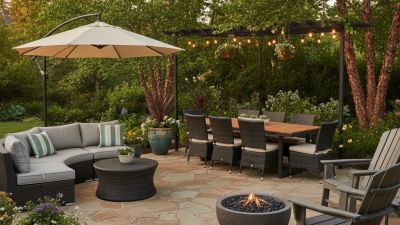
How to Choose the Perfect Garden Sofa for Your Outdoor Space?
When transforming your outdoor space into a cozy retreat, choosing the right Garden Sofa is essential. Expert interior designer Emily Stanton emphasizes, "The perfect Garden Sofa can elevate your outdoor experience." This choice reflects your style while offering comfort to family and friends.
Consider where you will place your Garden Sofa. A small balcony may require compact seating, while a spacious patio can accommodate larger sets. Material matters too. Weather-resistant fabrics and sturdy frames ensure longevity. However, even the finest sofa can struggle when neglected. Regular maintenance is key to preserving its charm.
Furthermore, think about functionality. Some Garden Sofas offer storage, while others may convert into beds. Every feature counts. An overly complex design may complicate your enjoyment. Striking a balance between aesthetics and practicality is crucial. A well-chosen Garden Sofa enhances your space, yet it can also become a source of frustration if it doesn’t fit your needs.
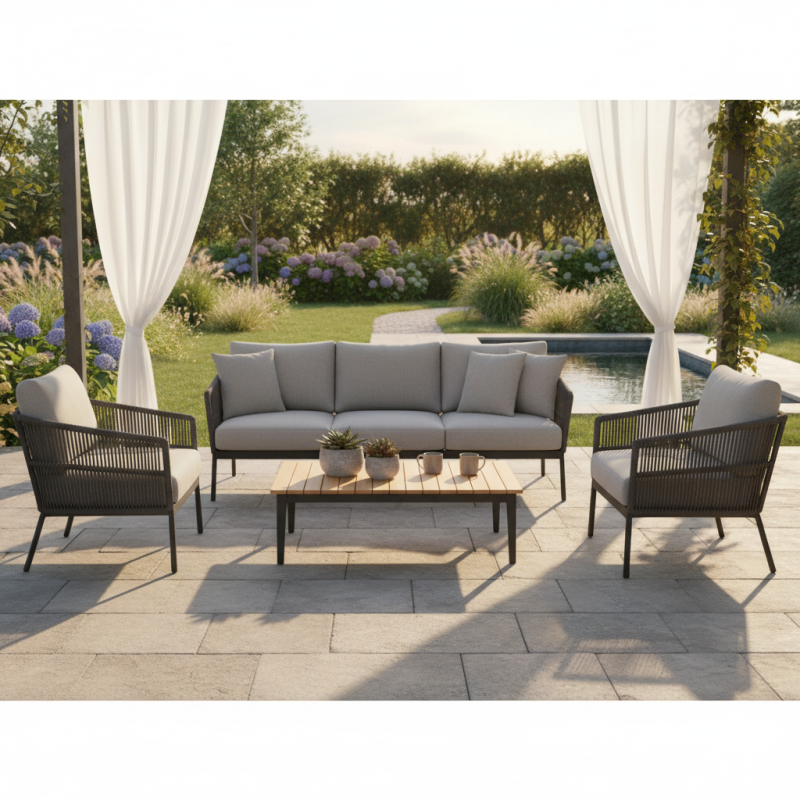
Understanding Your Outdoor Space and Needs
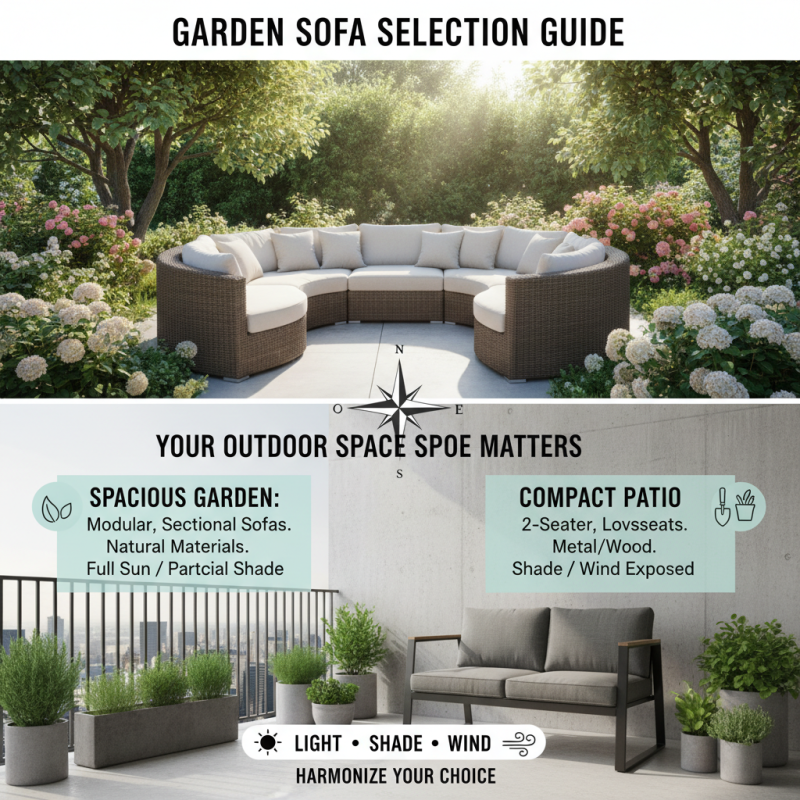
When choosing a garden sofa, it's essential to understand your outdoor space. Take a good look at your garden or patio. Is it spacious or more compact? Consider the surrounding elements like trees, flowers, or hardscapes. These aspects impact light, shade, and even wind exposure. Having this awareness can help you select a sofa that fits harmoniously with its environment.
Next, think about how you plan to use the space. Will it be for relaxing alone or hosting gatherings? A large sofa might work for entertaining, but a smaller piece may suit quiet evenings. Additionally, consider your preferred seating style. Do you value comfort over aesthetics? Understanding your needs will also help you reflect on cushioning and fabric choices. Is maintenance a concern for you? This question could guide your material selection as well. Balancing aesthetics, comfort, and practicality is key.
Types of Garden Sofas Suitable for Different Climates
When selecting a garden sofa, climate plays a crucial role. For warm, humid areas, look for breathable materials.
Rattan or synthetic wicker can withstand moisture without breeding mold. Cushions should have water-resistant covers and quick-drying foam.
A light-colored fabric can keep you cooler under the sun, but it might soil easily.
In colder regions, focus on durability. Metal or treated wood frames are excellent for resisting harsh weather.
Opt for thicker cushions for added comfort against the chill. However, the downside is that these materials can heat up in the sun.
It's wise to consider protective covers for both aesthetic and longevity.
Ultimately, test the materials in person to ensure they suit your lifestyle and surround them with plants that can adapt to your sofa's environment.
Materials to Consider for Durability and Comfort
When choosing a garden sofa, material is key. The right material can enhance durability and comfort. For outdoor use, weather-resistant options are crucial. Wicker is popular for its charm and durability. Some types are synthetic, making them even more resistant to fading and moisture. However, natural wicker may need more care.
Another viable option is aluminum. It is lightweight and resistant to rust. This material works well in diverse climates. Aluminum frames can support comfortable cushions, adding to overall coziness. Yet, the rigidity of metal may not suit everyone’s taste.
Consider fabric as well. Outdoor upholstery should resist moisture and UV rays. Textiles like solution-dyed acrylic are excellent choices. They offer color retention and easy maintenance. However, remember that even high-quality fabrics may fade over time. Reflect on what fits your space best. Comfort is subjective, so testing the sofa before purchasing is essential. It is easy to overlook the nuances of touch and feel.
Materials Comparison for Garden Sofas
This chart compares different materials used for garden sofas based on their durability ratings. Aluminum and metal are the most durable options, while fabric is the least durable. Consider these factors when choosing the perfect garden sofa for your outdoor space.
Design and Style Options for Your Garden Sofa
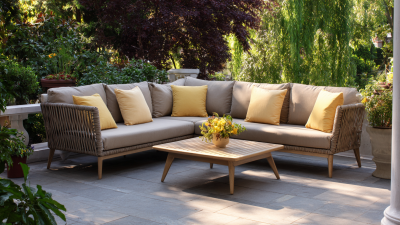
When selecting a garden sofa, design and style are essential. The right choice can elevate your outdoor space.
Consider the overall theme of your garden. Is it modern, rustic, or bohemian? Each style calls for
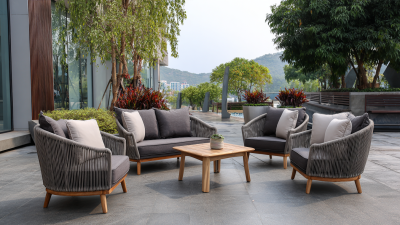
different materials and colors. For a contemporary look, opt for sleek lines and neutral colors.
A classic garden should have natural tones and textures.
Comfort is also vital. Choose cushions that offer support and durability. Think about outdoor fabrics that resist
stains and fading. Mixing materials can create an interesting visual appeal.
Wicker, metal, and wood can all
blend nicely. However, avoid clutter.
A crowded arrangement can feel overwhelming.
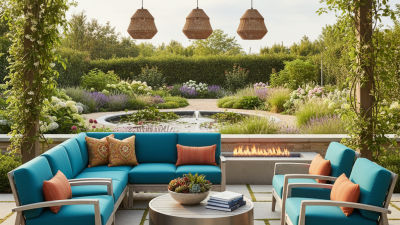
Lighting plays a role too. A well-lit sofa area can make the space inviting. Use solar lights or lanterns
for ambiance. The right accessories can tie the look together.
Throw pillows, blankets, and even side tables enrich the space. Just be careful not to overdo it.
Keep it simple yet stylish, allowing room for relaxation. Each element contributes to the overall experience of your garden.
Budgeting: Finding Quality Garden Sofas within Your Price Range
Budgeting for a garden sofa involves multiple factors. Start by determining how much you can spend. This decision will greatly influence your options. Set a reasonable budget that reflects your outdoor space needs. Remember, quality often comes with a price. However, products are available across a wide range of prices.
When searching for a garden sofa, balance comfort and style with your budget. Explore different materials like wicker or metal. They vary in durability and maintenance needs. Look for cushions that are weather-resistant but may stretch your budget. Sometimes, cheaper options can feel less durable. Prioritize what matters most to you.
Keep an eye out for seasonal sales. These can offer significant savings. It’s wise to compare prices online and in-store. Don’t rush this process. Finding the right piece may take time. If you feel you spent too much, reflect on what features you truly need. A careful choice can amplify your enjoyment of outdoor living.