How to Choose the Best Patio Furniture for Your Home?
Choosing the best patio furniture can transform your outdoor space into a personal oasis. According to Jane Smith, a renowned expert in outdoor living, “Quality patio furniture is an investment in comfort and style.” The right selection creates not only a functional area but also a beautiful setting for gatherings and relaxation.
When selecting patio furniture, consider your lifestyle. Are you entertaining often? Do you have children or pets? Every detail matters. Durable materials are crucial for outdoor settings. Enjoying your patio means choosing pieces that withstand the elements. Aim for a blend of aesthetic appeal and practical use.
Don’t overlook the layout. Measure your space to avoid overcrowding. It’s easy to underestimate how furniture size impacts the flow. Reflect on how you want to use the space. A good design can inspire memories and quality time with loved ones. Making informed choices elevates your outdoor experience and ensures lasting enjoyment of your patio furniture.
Understanding Your Outdoor Space and Needs
Choosing the right patio furniture starts with understanding your outdoor space. Measure the area to gauge how much room you have. According to industry reports, nearly 75% of homeowners prefer multifunctional furniture to maximize their space. Consider how you intend to use the area. Is it for entertaining guests or relaxing alone? Each need will dictate a different furniture style.
Evaluate your local climate. Studies indicate that weather-resistant materials can extend the life of outdoor furniture by 30-50%. Think about how exposure to sun or rain affects your choices. For example, a sunny space may benefit from UV-resistant materials, while shaded areas may require durable, moisture-resistant options.
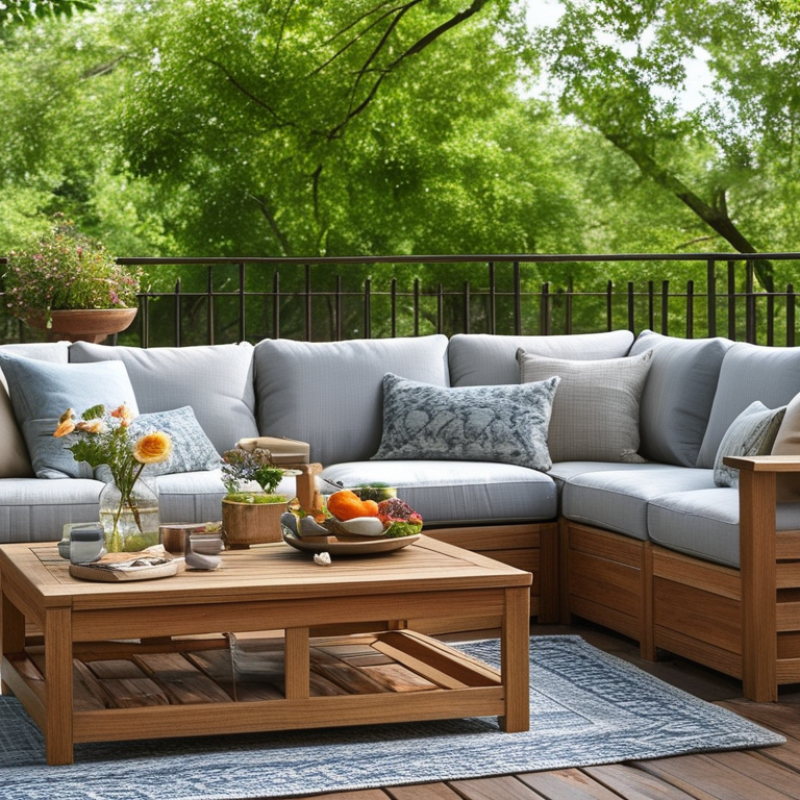
Visualize your preferred aesthetics. A mismatch between furniture and surroundings can feel off. Often, people overlook colors and textures that complement their home. Small details, like cushion textures, can enhance comfort. Reflect on your personal style and how you want your patio to feel. Remember, it's not just about usability, but creating an inviting atmosphere.
Types of Patio Furniture Materials and Their Benefits
Choosing the right patio furniture involves understanding the materials available and their unique benefits. Popular options include aluminum, wood, and wicker.
Aluminum is lightweight and rust-resistant, making it ideal for various weather conditions. According to a 2021 industry report, aluminum furniture sales increased by 30% in recent years due to its durability and low maintenance.
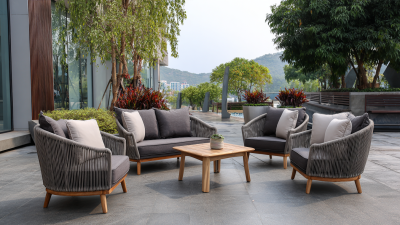
Wooden furniture, such as teak or eucalyptus, offers natural beauty. Teak, in particular, is known for its resistance to moisture and insects.
Studies show that teak furniture can last over 50 years with proper care. However, buyers should consider the sustainability of the wood. Not all wooden furniture is sourced responsibly, leading to potential ethical concerns.
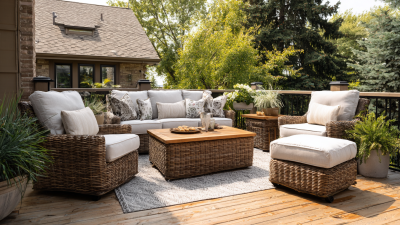
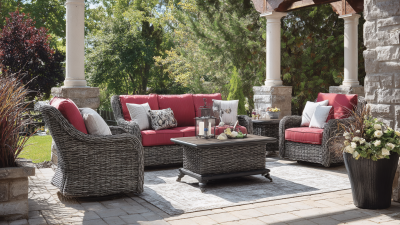
Wicker has gained popularity due to its aesthetic appeal. It often features a blend of natural and synthetic fibers. While natural wicker can deteriorate in harsh weather, synthetic options are more durable.
A recent survey highlighted that 65% of homeowners prefer synthetic wicker for outdoor use. Each material has its pros and cons, emphasizing the importance of personal needs and local climate when choosing patio furniture.
Evaluating Comfort and Style in Patio Furniture Choices
Choosing the right patio furniture can transform your outdoor space. It’s essential to balance comfort and style. First, think about how you will use the space. Will you entertain guests, or relax alone? This will influence your choices.
Comfort should be your priority. Test the seating. Sit down and see how it feels. Cushions should be soft yet supportive. Consider the height of the chairs, too. They should allow easy getting up and sitting down. Some people prefer deep seating. Others like a more upright position. There’s no right answer; it depends on personal preference.
Next, evaluate the style. Look at your home’s architecture. Choose colors and materials that complement it. A mismatch can look jarring. Mixed materials create interesting visual dynamics. Metal, wood, or wicker each bring a different feel. Think about weather resistance as well. Outdoor furniture needs to endure the elements. Overall, it requires careful consideration to achieve harmony between comfort and style.
Setting a Budget for Your Patio Furniture Purchase
Setting a budget for your patio furniture purchase is essential. Before you drift into beautiful designs or trendy styles, assess your financial limits. A clear budget helps you avoid overspending. Determine what you can afford for initial purchases and ongoing maintenance.
Consider costs beyond just the furniture. Factor in shipping, assembly, and upkeep. You may find that higher-quality pieces last longer and require less care. Take a moment to reflect on your lifestyle. If you host frequently, a more substantial investment makes sense. However, if you use the space occasionally, consider more economical options.
Prices can vary widely. Research similar styles across different retailers. Often, comparable items will have a significant range in price. Don’t be swayed by temporary discounts. They might lead you to buy something that doesn’t fit your needs. Instead, prioritize durability and comfort. Sometimes, it’s wiser to save for a few extra months rather than rushing into a purchase.
How to Choose the Best Patio Furniture for Your Home? - Setting a Budget for Your Patio Furniture Purchase
| Furniture Type |
Material |
Price Range |
Durability |
Maintenance |
| Dining Set |
Wood |
$500 - $1,500 |
High |
Regular sealing and cleaning |
| Lounge Chair |
Aluminum |
$200 - $800 |
Very High |
Minimal, just wipe down |
| Outdoor Sofa |
Synthetic Wicker |
$400 - $1,200 |
High |
Cushion care and cleaning |
| Umbrella |
Fabric |
$50 - $300 |
Moderate |
Storage when not in use |
| Fire Pit |
Steel |
$300 - $1,000 |
Very High |
Clean after each use |
Maintenance Tips for Longevity of Patio Furniture
Maintaining patio furniture requires consistent effort to extend its life. Regular cleaning is essential. Use mild soap and water to wash surfaces. Avoid harsh chemicals that may damage materials. Remember to check for signs of wear, such as rust or faded paint. Catches like these can prevent bigger issues later.
Protecting your furniture from the elements is crucial. When a storm approaches, bring cushions indoors. During winter, store furniture in a dry place. Using covers can also shield items from dirt and UV rays. If you notice scratches, address them quickly. A small scratch can lead to bigger problems if left untreated.
Lastly, think about the materials you choose. Some are more resistant to weather than others. Wood may need sealing. Metal often requires rust treatment. Each choice impacts maintenance needs. Investing in quality can save time and money long-term. Always remain aware of how your furniture interacts with the environment. Regular reflection can lead to better care practices.
Durability Comparison of Common Patio Furniture Materials