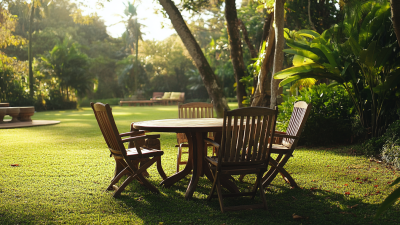
How to Choose the Best Garden Furniture Sets for Your Home?
Choosing the right Garden Furniture Sets can transform your outdoor space. It’s not just about aesthetics; comfort and functionality matter too. Picture your family enjoying dinner outside or friends gathering for a sunny afternoon. The right pieces enhance these moments.
When selecting Garden Furniture Sets, consider materials, styles, and durability. Wood offers a classic feel, while metal provides modern elegance. Think about weather resistance as well. Opt for cushions that withstand rain and sun.
However, do not rush the decision. Take time to research various options. Be mindful of your space and how often you entertain. Industrial designs might suit some, while quaint styles appeal to others. Reflect on what truly fits your lifestyle and needs.
Factors to Consider When Selecting Garden Furniture Sets
When selecting garden furniture sets, various factors come into play. Durability is crucial. Look for materials that withstand the weather. Teak, aluminum, and synthetic wicker are often good choices. They resist rust and decay. A furniture set should ideally last for years. It can be disappointing to invest in something that fades quickly.
Comfort is another important aspect. Test cushions and seating. They should support your body properly. Choosing the right height and depth will enhance your outdoor experience. Visual appeal matters too. A well-designed set can elevate your garden's aesthetic. Consider colors and styles that resonate with your home’s design. Patterns can add character but remember not to overdo it.
Storage is often overlooked. Some pieces fold or stack, saving space. If you have a small garden, these options help maintain an organized area. Reflect on your needs. This includes how often you host gatherings. The size of your space matters. A large set may overwhelm a small yard. It's essential to find a balance between functionality and aesthetics. Sometimes, compromises are necessary. Embrace the process of selecting. Listen to your instincts along the way.
Materials Used in Garden Furniture: Pros and Cons
When selecting garden furniture, understanding materials is crucial. Different options have unique strengths and weaknesses. For instance, metal, wood, and plastic are common choices.
Metal furniture, like aluminum or steel, is durable and weather-resistant. However, it can become hot in the sun, making it less comfortable in warm climates. A 2022 report by the Furniture Industry Research Group indicated that metal sets accounted for 35% of outdoor furniture sales.
Wooden furniture, particularly teak, offers natural beauty and durability. It is resistant to rot and insects, which is a significant advantage. Yet, wood requires regular maintenance, like oiling and sealing. According to a study by the American Society for Horticultural Science, nearly 50% of consumers prefer wooden sets for aesthetics. However, finding sustainable sources can be challenging, raising ethical concerns.
Plastic furniture is lightweight and easy to maintain. It often comes in various colors and styles. The downside is its lower longevity compared to wood or metal. A consumer survey found that while 40% appreciate the affordability of plastic, over 60% are concerned about its environmental impact.
Tips: Choose materials based on your local climate. If you live in a humid area, consider weather-resistant materials. Regularly inspect your furniture to assess its condition and longevity.
Assessing Space Requirements for Garden Furniture Arrangements
When considering garden furniture arrangements, assessing your available space is vital. Start by measuring your outdoor area. Understand its shape and dimensions. Landscaping elements, like trees and flower beds, can impact your layout choices. It’s essential to visualize your furniture in that space.
Aim for balance. You want the furniture to fit harmoniously with your garden. Avoid overcrowding, which can make your space feel cramped. Often, people underestimate the amount of room needed. A small table with two chairs might look good on paper but could restrict movement. Aim for at least three feet of walking space around seats.
Think about the function of your area. Will you dine, entertain, or relax? Different uses require different furniture. Reflect on how you’ll utilize the space. If you entertain often, a larger set might be necessary. However, if it’s a quiet retreat, consider smaller, comfy seating. Always keep versatility in mind. Future changes to your garden might need adjustments to your furniture arrangement.
Style and Aesthetic: Matching Furniture with Your Outdoor Decor
Choosing garden furniture that complements your outdoor decor is vital for creating a cohesive environment. Studies indicate that 70% of homeowners prefer furniture that aligns with their existing design. This includes considering colors, materials, and styles that harmonize with your overall landscape. For instance, sleek metal furniture can enhance a modern, minimalist garden, while wooden sets bring warmth to a rustic setting.
Moreover, the texture and finish of your furniture can significantly impact its integration into your outdoor space. Rough textures may clash with smooth surfaces found in contemporary gardens. Reports show that 55% of people feel more relaxed in spaces where furnishings reflect their personal style. A mismatch can lead to feelings of disinterest or discomfort in your own outdoor area.
Lastly, reflecting on previous choices can bring insights. Many homeowners struggle with selecting pieces that endure seasonal changes. Each season stresses different materials. For instance, plastic might fade in the sun, while untreated wood can warp with moisture. Assessing your local climate and previous furniture failures before making a decision is essential. This thoughtful approach can lead to more satisfying and lasting choices.
Budgeting for Your Ideal Garden Furniture Set
When budgeting for your ideal garden furniture set, it’s important to assess your needs clearly. Start by evaluating how much space you have. Consider the number of people who will use it often. Will you host large gatherings or enjoy quiet afternoons alone? These questions help shape your budget.
Next, think about materials. Wood, metal, and plastic vary greatly in price. Each has its pros and cons. Wood may require more maintenance, while metal offers durability. However, careful selection can yield a beautiful and functional set within a reasonable budget. Look for sales or second-hand options to stretch your funds further.
Finally, remember to include accessories in your budget. Cushions, covers, and outdoor decorations can increase comfort and aesthetic appeal. Reflect on these details. Are you willing to sacrifice some aesthetics for a lower price? Understanding your priorities can lead to better choices that enhance your outdoor experience.
Garden Furniture Set Budget Breakdown