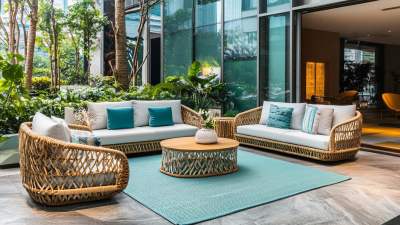
Why Choose an Outdoor Sofa for Your Garden or Patio?
In an era where outdoor living is increasingly embraced, choosing an Outdoor Sofa can transform your garden or patio into a cozy retreat. According to outdoor design expert Sarah Lawson, “A well-chosen Outdoor Sofa elevates your outdoor space, inviting relaxation and connection.” With her insights, we can explore why an Outdoor Sofa is essential for any outdoor area.
Imagine sinking into a plush Outdoor Sofa after a long day. The right sofa can enhance comfort and style. It becomes a gathering spot for family and friends, where laughter and stories thrive. Features such as weather-resistant materials offer durability, but not all options provide the same quality. Buyers must consider style, functionality, and even maintenance.
Yet, not every choice is perfect. Some Outdoor Sofas may lack the support needed for prolonged sitting. Issues like fading cushions can also arise. Reflection on these aspects ensures that consumers make informed decisions. Ultimately, an Outdoor Sofa is more than just furniture; it’s an investment in experiences and memories, making it a pivotal element of outdoor living.
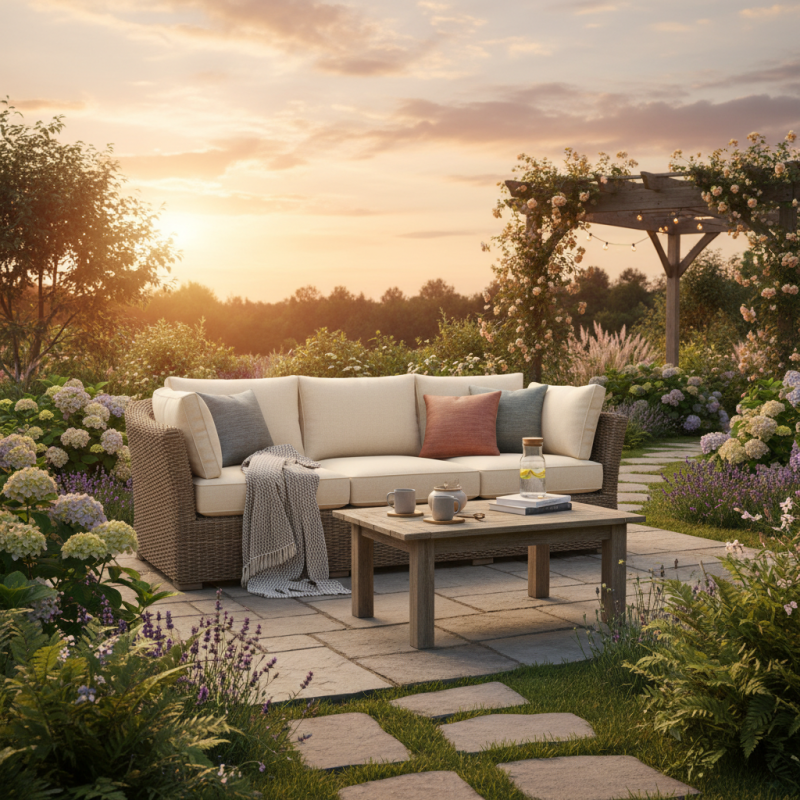
Factors to Consider When Choosing an Outdoor Sofa for Your Space
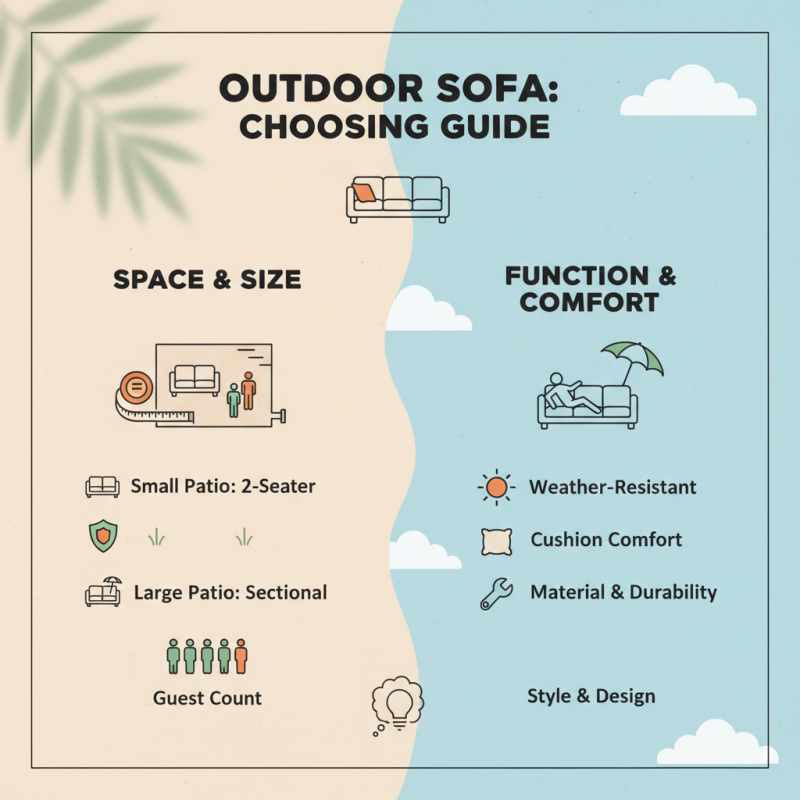
When choosing an outdoor sofa, several factors play a crucial role. The space available is key. Measure your patio or garden area. A large sofa can overwhelm a small space, while a tiny one may get lost in a big area. Think about how many people usually gather. A 2-seater may suffice for a quiet evening, while larger gatherings may require a sectional.
Material matters too. Weather-resistant fabrics are ideal for outdoor sofas. You want something durable against rain and sun. Rattan is popular for its look, but it can fade. Metal frames are sturdy, but they can get hot in the sun. Consider cushions as well. Replaceable covers can extend the life of your sofa significantly, especially if you like to change styles often.
Comfort is paramount, but what does that really mean? A soft cushion can invite you to sit longer, yet it might wear out quickly. On the other hand, firmer cushions can last but may not feel cozy. It’s a balance. Think about maintenance, as well. Some sofas require more care than others. Will you clean them regularly? Reflect on these points to choose wisely.
Benefits of Outdoor Sofas Versus Traditional Patio Seating Options
Choosing an outdoor sofa can transform your garden or patio into a cozy retreat. Unlike traditional patio seating, outdoor sofas provide a relaxed vibe. They offer deep seating, perfect for lounging with a book or entertaining friends. Imagine sipping coffee on a warm morning, nestled into a plush cushion. The comfort factor is undeniable.
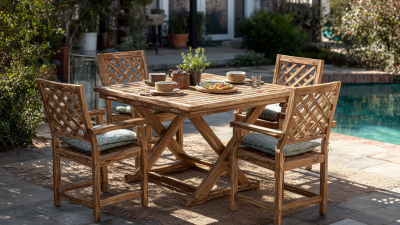
Outdoor sofas also add a touch of style. They come in various designs, offering the chance to express personal taste. Many are weather-resistant, making them durable against the elements. A traditional wooden chair might withstand the rain but lacks the inviting look of a stylish sofa. That said, maintenance is key. Some outdoor sofas may require regular cleaning to avoid mildew.
On the flip side, outdoor sofas can take up more space. In smaller areas, they might feel overwhelming. The choice depends on your lifestyle. A large family may benefit from the extra seating. However, if your patio is modest, traditional seating might suffice. Balancing comfort and space is crucial. Make thoughtful choices for your ideal outdoor setting.
Why Choose an Outdoor Sofa for Your Garden or Patio? - Benefits of Outdoor Sofas Versus Traditional Patio Seating Options
| Feature |
Outdoor Sofa |
Traditional Patio Seating |
| Comfort |
High level of comfort with cushions and back support |
Generally less comfortable, often harder materials |
| Aesthetic Appeal |
Stylish designs that enhance garden or patio visuals |
More functional, less focus on design |
| Durability |
Designed to withstand various weather conditions |
May not hold up as well in extreme weather |
| Versatility |
Can be used in various settings, like gardens, patios, and balconies |
Typically used only in patio settings |
| Maintenance |
Easier to clean and maintain due to materials used |
May require more upkeep, especially wooden or fabric ones |
Materials and Durability: Finding the Right Outdoor Sofa for Your Climate
Choosing the right outdoor sofa involves considering materials and durability. Various climates impact which materials are suitable. If you live in a rainy area, upholstered fabrics may not last long. Instead, look for water-resistant materials that can withstand moisture.
Metal frames are sturdy and often rust-resistant. Aluminum is lighter and easier to move. On the other hand, wooden sofas bring a warm, natural feel. Teak wood, for example, holds up well against weather changes. However, it requires regular maintenance and might not suit all preferences.
Cushions should be durable too. Quick-dry foam is popular, yet it might not be the most comfortable option. Sometimes, you might find that certain styles are visually appealing but do not hold up over time. Always touch the fabric before purchasing. It’s essential to weigh aesthetics against practicality, especially in harsh conditions.
Design Styles: Matching Your Outdoor Sofa to Your Garden Aesthetic
When choosing an outdoor sofa, design style is crucial. It should complement your garden or patio's aesthetic. According to the American Society of Landscape Architects, outdoor living spaces are increasingly a priority for homeowners. They enhance both visual appeal and functionality.
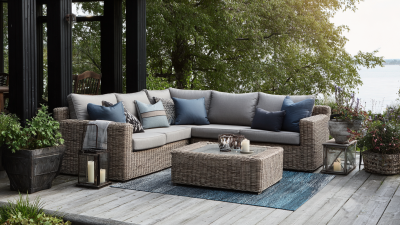
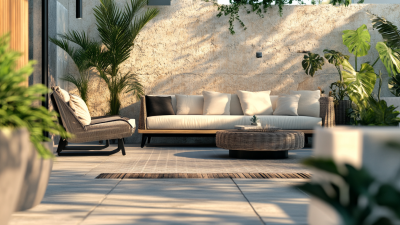
Consider the layout of your outdoor space. A sleek, modern sofa works well in minimalist gardens with clean lines. Conversely, a rustic design pairs beautifully with cottage-style landscaping. Each style evokes certain feelings. Modern pieces often promote relaxation and sophistication, while traditional designs can feel inviting and homey.
Tips for selecting your outdoor sofa: Keep your garden's color palette in mind when choosing fabrics. Neutral colors blend seamlessly, while bold hues can create striking focal points. Ensure materials are weather-resistant and easy to maintain. This investment should withstand the elements, but over time, even the best materials can show wear.
A thoughtful design choice can enhance your outdoor experience. Your sofa should invite gatherings, encourage relaxation, and integrate with nature. Reflect on how you want to use the space. Remember, comfort and style often go hand in hand.
Maintaining Your Outdoor Sofa: Tips for Longevity and Care
When you invest in an outdoor sofa, proper maintenance is crucial for maximizing its lifespan. According to a recent industry report, well-maintained outdoor furniture can last up to 15 years, significantly exceeding the average lifespan of furniture that is not cared for. Protecting your investment requires a few simple habits to build into your routine.
Tips for longevity include regular cleaning and protection from harsh weather. Use a soft brush or cloth to remove dirt and debris. For deeper cleaning, a mixture of mild soap and warm water works wonders. It’s ideal to cover your sofa during inclement weather. Even the best materials can degrade over time if subjected to rain and UV exposure. Faded cushions can ruin the aesthetics of your outdoor space.
Consider inspecting your outdoor sofa every few months. Look for signs of wear, like fraying fabrics or corroded frames. Addressing issues when they arise saves you from costly repairs later. If your sofa has removable cushions, store them indoors when not in use. This simple act can prevent moisture accumulation and extend their life considerably. The goal is to enjoy your outdoor space, not worry about its upkeep.