2026 Best Modern Outdoor Furniture Trends for Global Buyers?
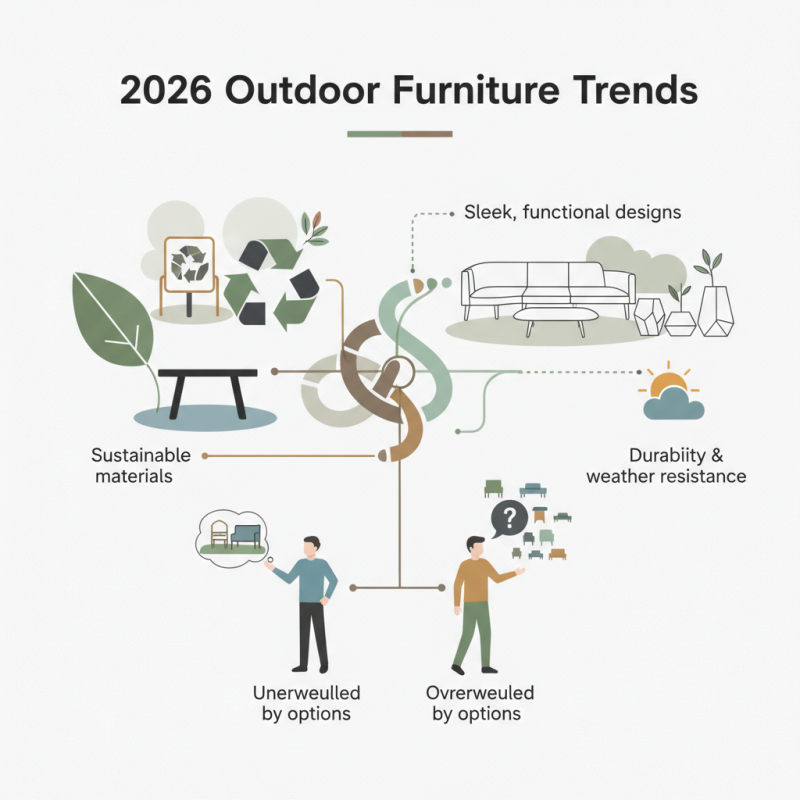
The landscape of modern outdoor furniture is evolving rapidly. As more homeowners seek to transform their outdoor spaces, trends are shifting toward sleek, functional designs that enhance comfort and style. According to a recent report by the Outdoor Furniture Manufacturers Association, the global modern outdoor furniture market is expected to reach $27 billion by 2026. This growth reflects a rising interest in stylish outdoor living areas.
In recent years, consumers have prioritized sustainable materials. Eco-friendly choices, such as recycled plastics and sustainably sourced woods, are on the rise. Many companies are adopting responsible manufacturing practices to meet these demands. As consumers become more environmentally conscious, the importance of quality is paramount. Modern outdoor furniture must balance aesthetic appeal with durability to withstand various weather conditions.
However, not all trends will resonate with every buyer. Some customers may feel overwhelmed by the options available. The challenge lies in choosing pieces that reflect personal style while also being functional. A thoughtful approach to selection can make outdoor spaces inviting and enjoyable. Exploring the 2026 trends will offer valuable insights for global buyers navigating this dynamic market.
Emerging Materials: Eco-Friendly Options in Modern Outdoor Furniture
As outdoor living spaces gain popularity, eco-friendly materials are transforming modern furniture designs. Customers seek sustainable options that align with their values.
Recycled plastics and sustainably sourced wood are noteworthy choices. These materials not only reduce environmental impact but also provide durability and style.
When selecting outdoor furniture, consider the weather resistance of materials. Choose items made from aluminum or teak for longevity. This approach minimizes the need for replacements, contributing to sustainability. Always verify the sourcing of wood to ensure it comes from responsibly managed forests.
Opt for furniture that combines comfort with practicality. Innovative materials like bamboo are lightweight yet strong. They can withstand diverse climates, making them ideal for outdoor settings. Remember that aesthetics play a role, too. Select colors and finishes that complement your environment. Aim for cohesive harmony with natural surroundings for a pleasing outdoor experience.
Innovative Designs: Blending Functionality and Aesthetics for Outdoor Spaces
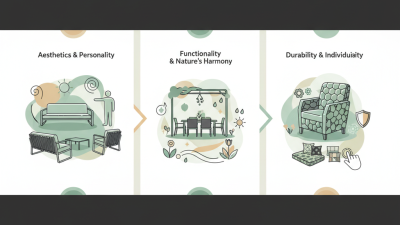
Innovative designs in outdoor furniture are transforming spaces into inviting sanctuaries. More than just aesthetics, modern outdoor pieces emphasize usability. Imagine a versatile lounge chair that easily converts from upright to reclined. This practical design blends comfort with casual elegance.
Materials play a critical role in these trends. Outdoor sofas made from weather-resistant textiles are gaining popularity. They offer durability without sacrificing style. However, some designs may struggle with comfort over prolonged use. This is a point of reflection when purchasing outdoor furniture.
Color schemes are bold and vibrant, yet they require careful selection. A bright yellow armchair can energize a dull patio. However, the right balance must be struck to avoid overwhelming the senses. The need for harmonious designs is essential for creating peaceful outdoor retreats. Each piece tells a story, inviting moments of relaxation and connection with nature.
2026 Best Modern Outdoor Furniture Trends for Global Buyers
| Trend |
Description |
Materials |
Functionality |
Aesthetic Appeal |
| Sustainable Materials |
Use of eco-friendly, recycled, or responsibly sourced materials. |
Recycled plastic, bamboo, reclaimed wood |
Weather-resistant and durable |
Natural and organic look |
| Modular Seating |
Flexible seating options that can be rearranged as needed. |
Metal, fabric, wood |
Reconfigurable setup |
Contemporary and stylish |
| Smart Outdoor Furniture |
Integration of technology for enhanced user experience. |
Plastic, metal, integrated electronics |
Built-in charging ports, lighting |
Futuristic and sleek |
| Bold Colors and Patterns |
Vibrant colors and geometric patterns for visual interest. |
Outdoor fabrics, powder-coated metals |
Enhanced visual appeal |
Playful and eclectic |
| Multi-functional Pieces |
Furniture that serves more than one purpose. |
Wood, plastic, metal |
Storage, seating, tables
|
Versatile and practical |
Color Trends: Vibrant Hues vs. Neutral Palettes in Outdoor Furniture
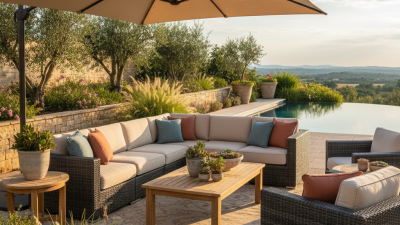
When decorating outdoor spaces, color plays a vital role. Vibrant hues can energize an environment, inviting people to relax and socialize. Bright yellows, bold reds, and deep blues are becoming increasingly popular among outdoor furniture options. These colors infuse life into patios and gardens. They create focal points, serving as stunning backdrops for outdoor gatherings.
On the other hand, neutral palettes have their own appeal. Shades like beige, gray, and soft whites offer a calming effect. They create a seamless blend with nature, fostering a tranquil atmosphere. Such colors can make spaces feel more expansive and inviting. They also provide versatility, allowing you to easily change décor with accessories and plants.
Yet, choosing the right color can be challenging. Vibrant tones may clash with existing elements. Neutral tones might feel too plain in vibrant surroundings. Consumers often struggle with these contrasts. Reflection on personal preferences and environmental influences remains crucial. Mindfully selecting colors can enhance both aesthetic and emotional experiences outdoors. Balancing excitement and tranquility can lead to truly inviting spaces.
Comfort and Durability: Key Features for Modern Outdoor Seating Solutions
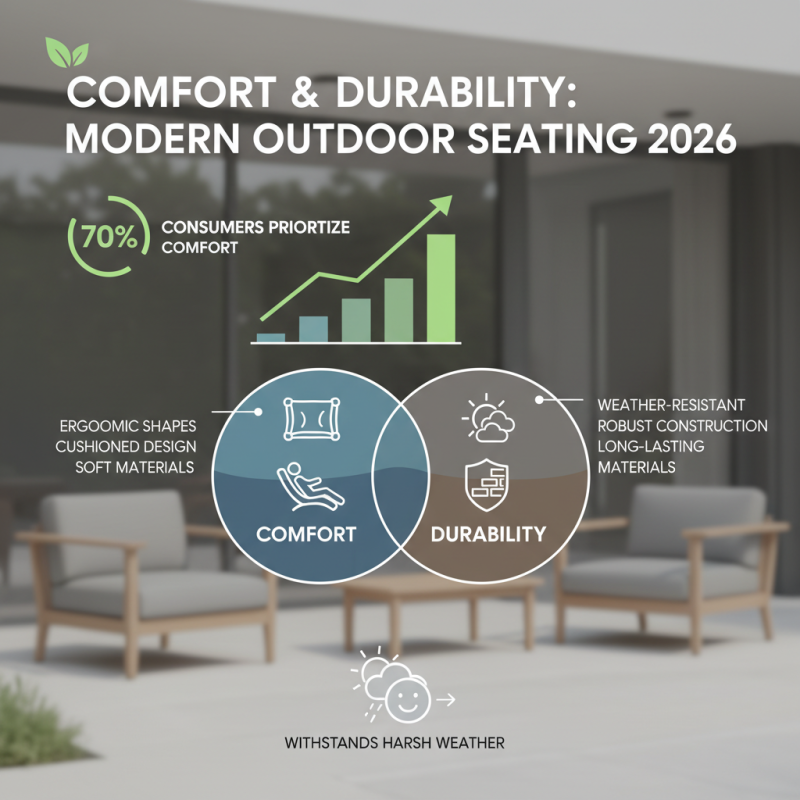
Modern outdoor furniture trends in 2026 focus heavily on comfort and durability. Buyers are increasingly seeking furniture that can withstand harsh weather while offering comfort. A recent industry report highlights that nearly 70% of consumers prioritize comfort features when selecting outdoor seating. This emphasis on comfort shapes design choices, material selection, and construction methods.
Materials play a crucial role in durability and comfort. Weather-resistant fabrics are essential for cushions, while frames made from aluminum and teak offer longevity. Research indicates that aluminum can last up to 30 years, making it a preferred choice. However, not all options are perfect; some materials may fade or crack over time, necessitating careful selection.
For many, visual appeal also matters. An aesthetically pleasing design can enhance outdoor spaces. Comfortable seating encourages more outdoor activities. Yet, achieving the right balance between style and durability can be challenging. As buyers explore modern options, the desire for unique designs must align with the need for sustained comfort and resilience. This complex landscape requires careful consideration and an understanding of individual needs and preferences.
Global Influences: How Culture Shapes Outdoor Living Trends Worldwide
Outdoor living trends are increasingly influenced by cultural elements worldwide. Recent studies show that 73% of consumers consider their culture when selecting outdoor furniture. This preference impacts styles, colors, and materials chosen for outdoor spaces. For instance, Japanese minimalism embraces simplicity, favoring natural materials like wood and bamboo. In contrast, Mediterranean styles often use vibrant colors and sophisticated textiles to enhance outdoor social experiences.
Furthermore, climate plays a crucial role in shaping preferences. A report from the Global Outdoor Living Agency reveals that regions with warmer climates lean towards lightweight and durable furnishings. In the Caribbean, outdoor seating often reflects a laid-back lifestyle, prioritizing comfort and relaxation. Meanwhile, Nordic countries focus on multifunctional designs due to shorter summers, echoing a need for adaptability.
Reflecting on these trends, it’s essential to recognize that global influences can lead to homogenization in outdoor living aesthetics. Not every region needs to adopt every trend. To create authentic spaces, local culture must be at the forefront. This approach fosters creativity while ensuring outdoor areas remain meaningful.