How to Choose the Best Garden Furniture Sets at 2026 Fair?
Choosing the right Garden Furniture Sets can transform your outdoor space. At the 2026 Fair, experts gather to showcase the latest trends. Renowned designer Emma Green states, "Quality garden furniture should blend style with functionality."
Visitors can explore various styles, from modern to classic designs. With the introduction of AI tools at the fair, finding the perfect set becomes easier. Buyers can filter options based on quality certifications like ISO and CE.
However, not all furniture is created equal. It’s essential to consider materials and durability. Many choose based on appearance alone, which can lead to regret. Take time to evaluate comfort and suitability for your space. Garden Furniture Sets should enhance outdoor living, not just fill a space.
Key Factors to Consider When Choosing Garden Furniture Sets
Choosing the right garden furniture set can transform your outdoor space. Comfort and style are key when evaluating options. Start with materials; wood, metal, or synthetic each have their own appeal. For instance, wood offers a warm, natural feel. However, it might require more maintenance over time. Metal can be sleek but may heat up under the sun.
Consider your available space. A well-placed dining set can create an inviting atmosphere for gatherings. However, a small area may need compact, multifunctional pieces. Take measurements before you shop. Many people forget this crucial step, leading to last-minute adjustments or returns.
Durability is essential. Look for materials that withstand weather changes. Cushions should have moisture-resistant covers. Sometimes, opting for lower-cost options may seem tempting. These can disappoint quickly, forcing replacements sooner than expected. A balance between budget and quality is necessary, even if it takes time to find the perfect fit. Don't rush the process; enjoy the journey of creating a comfortable outdoor oasis.
Material Options for Durable Garden Furniture: Pros and Cons
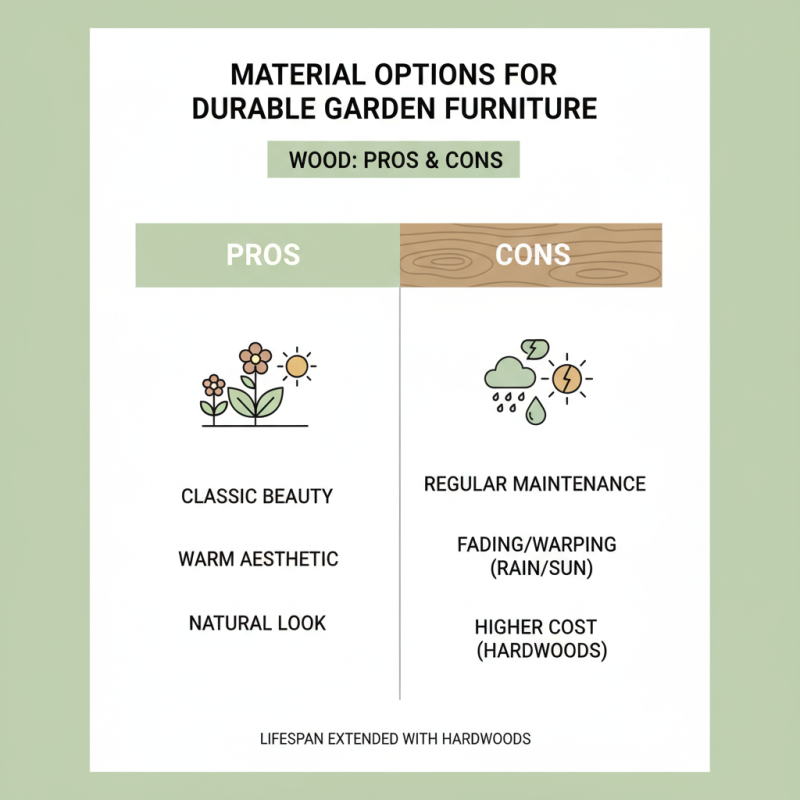
When choosing garden furniture, material matters significantly. Wood, for example, is classically beautiful. It offers a warm aesthetic but requires regular maintenance. Rain and sun can cause it to fade or warp over time. Choosing hardwoods can extend its lifespan, yet they may come at a higher cost.
Metal is another popular choice. Aluminum is lightweight and resistant to rust. It also has a sleek look that suits modern gardens. However, it can get hot under the sun. Wrought iron is strong and durable but can be heavy and subject to rust if not treated properly.
Plastic furniture is often overlooked but practical for many. It is lightweight, affordable, and easy to clean. However, it may not have the same longevity as wood or metal. The colors can fade with prolonged exposure to sunlight. Each material has its challenges and advantages. Consider your garden's style and climate to make the best choice.
Style and Aesthetics: Matching Furniture Sets with Your Garden Theme
Choosing garden furniture sets that align with your garden theme is crucial. Aesthetic appeal can enhance outdoor spaces, making them inviting and functional. According to a recent industry report, 65% of homeowners consider design compatibility when selecting outdoor furniture. This shows that style significantly influences purchasing decisions.
When matching furniture with your garden theme, consider colors and materials. For instance, natural wood blends seamlessly with lush greenery. Metal and glass offer a modern touch, contrasting nicely with floral patterns. Yet, many overlook how seasonal changes affect these choices. Rain can warp wood, while heavy sun can fade colors. It's essential to think long-term.
Gathering insights from landscape designers can reveal valuable trends. About 58% emphasize creating spaces that reflect personal style. However, pairing multiple styles often leads to visual clutter. Balance is key; too many colors can overwhelm. Reflect on what resonates with your tastes while ensuring functionality. Garden furniture should not only look good but also serve a purpose.
Comfort and Ergonomics: Importance in Garden Furniture Selection
When choosing garden furniture, comfort and ergonomics are critical. A well-designed chair can enhance relaxation and enjoyment in your outdoor space. Reports show that 70% of consumers prioritize comfort in their outdoor furniture selection. Poorly designed furniture can lead to discomfort during usage, discouraging people from enjoying their gardens.
Ergonomics plays a vital role in this choice. Furniture should support the body naturally. For example, seat height and backrest angles significantly impact comfort. Data indicates that furniture designed with proper lumbar support can reduce back strain by up to 30%. This is essential, especially for long gatherings or family meals outdoors.
Many people overlook these factors. They focus too much on aesthetics and forget comfort. Choosing furniture that doesn’t fit well can lead to regret after just a few uses. It’s crucial to test different options before making a decision. Opting for pieces that combine style and comfort is the key to a satisfying outdoor experience.
Budgeting Tips for Selecting the Best Garden Furniture Sets at Fairs
Choosing the right garden furniture set at a fair can be tricky. Budgeting plays a crucial role in this process. According to a 2023 industry report, nearly 45% of buyers overspend at events due to impulse purchases. To avoid this, set a strict budget before attending the fair. This helps narrow down your options and prevents buyer's remorse later.
It's essential to consider quality versus quantity. A 2022 study found that investing in fewer, high-quality pieces often provides better value. Focus on durable materials, like aluminum or teak, which last longer than cheaper alternatives.
Don't just look at price tags—examine craftsmanship. Inspect joints and finishes to gauge quality even in crowded settings.
Pay attention to trends at fairs. Popular styles and features can fluctuate. For instance, in 2025, sustainable materials rose in demand, with 32% of buyers favoring eco-friendly options. Noting these trends might impact your decisions.
Sometimes, tempting sales can distract you. Always remember: what fits your space and lifestyle is most important. Make sure to evaluate your choices carefully, even when surrounded by eye-catching displays.