2026 Top Outdoor Furniture Trends You Need to Know?
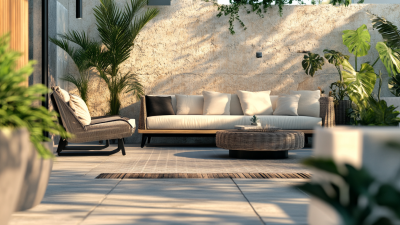
In 2026, the world of outdoor furniture is set to evolve. Trends are not just about aesthetics; they reflect a lifestyle shift. More people are embracing outdoor living, creating spaces that feel like an extension of their homes.
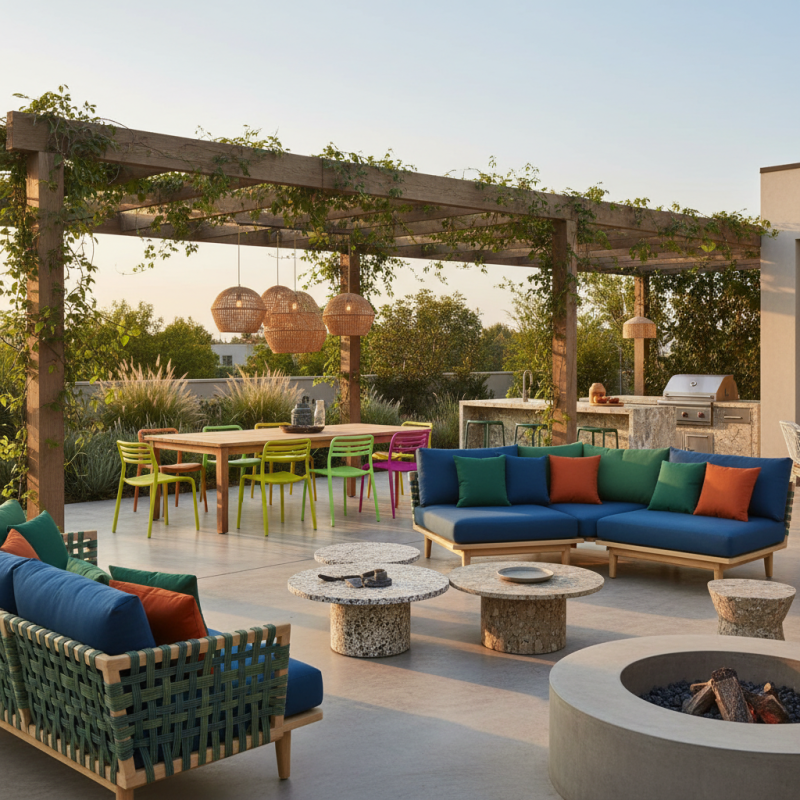
This year, expect bold colors and sustainable materials to dominate designs. Comfortable seating and versatile arrangements will be key. Think of cozy lounges under the stars or vibrant dining setups for family gatherings. It's a chance to craft unique experiences outdoors.
However, it’s essential to balance style with function. As trends change, some choices might feel outdated quickly. Consider durability and maintenance when selecting outdoor furniture. Reflect on how each piece fits into your life and environment. Outdoor furniture should enhance your outdoor space, not complicate it.
The Rise of Sustainable Materials in Outdoor Furniture Design
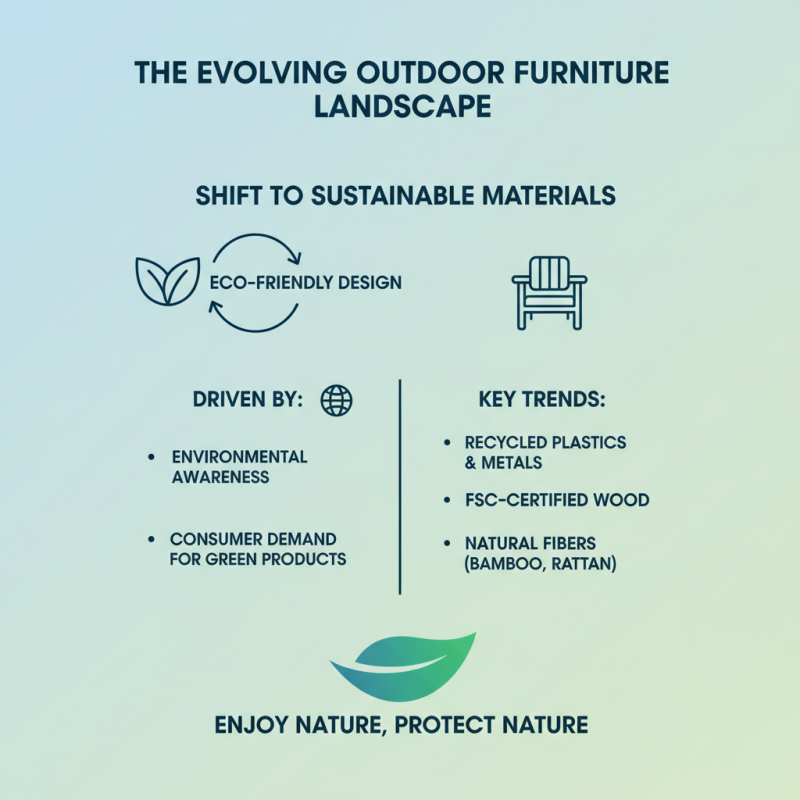
The outdoor furniture landscape is rapidly changing. More designers are opting for sustainable materials. This trend reflects a growing awareness of environmental issues. People want to enjoy nature, not harm it.
Consider furniture made from reclaimed wood. Each piece tells a unique story. The natural weathering adds character. Bamboo is another popular choice. It’s durable and grows quickly, making it an eco-friendly option. However, sourcing bamboo responsibly is crucial. Mismanagement can lead to environmental harm.
Sustainable designs often focus on minimalism. Simple lines and shapes allow the materials to shine. Color palettes tend to be muted, drawing inspiration from nature. It’s important to balance aesthetics with ethical choices. While these trends are promising, we must ensure they are widely adopted. Awareness alone doesn't drive change; action does.
Innovative Ergonomic Designs for Enhanced Comfort in Outdoor Spaces
Innovative ergonomic designs are transforming outdoor spaces. People want comfort while enjoying nature. Traditional outdoor furniture often lacks proper support. This leads to discomfort and even pain. Ergonomic designs prioritize human anatomy. They consider posture and body alignment. Curved seats and adjustable features enhance user comfort.
Imagine lounging on a chair molded to fit your body perfectly. Cushions with pressure-relieving materials are becoming popular. These designs let you enjoy longer outdoor gatherings. Many outdoor pieces now feature reclining options. They allow you to find your perfect angle easily. However, not all designs are perfect. Some may sacrifice style for comfort. It’s crucial to strike a balance between aesthetics and functionality.
Outdoor furniture shouldn’t only be functional. It should invite relaxation too. With innovative designs, each piece tells a story. They encourage you to slow down and enjoy your surroundings. Yet, users sometimes overlook maintenance. Weather-resistant materials are essential. Without proper care, even the best designs may falter. Investing time in upkeep is worth the aesthetic appeal. Just remember, comfort should never feel compromised.
The Influence of Smart Technology on Outdoor Living Furniture
Smart technology is changing outdoor living. It transforms how we use furniture outdoors. From smart lights to app-controlled grills, these features enhance our experience. Imagine adjusting lighting from your phone while enjoying an evening under the stars. It's convenience at its best.
When choosing outdoor furniture, consider how technology integrates. Look for pieces with built-in speakers or charging ports. These features make gatherings more enjoyable. Yet, ensure they complement your outdoor space’s aesthetics. Sometimes, high-tech can clash with natural settings.
Tips: Always check battery life. Relying on tech during gatherings can lead to disappointments. Consider having a backup method for entertainment or lighting. Also, remember that too much technology can overwhelm the serenity of nature. Balance is key. Enjoy the blend of comfort and innovation in your outdoor oasis.
2026 Top Outdoor Furniture Trends
The bar chart below illustrates the projections for key outdoor furniture trends in 2026, focusing on the impact of smart technology on outdoor living furniture. The data reflects consumer interest in various features that enhance outdoor living experiences.
Color Trends and Aesthetics in 2026 Outdoor Furniture Collections
The outdoor furniture market is evolving rapidly. In 2026, color trends will play a crucial role. Neutral tones like beige and gray remain popular. However, vibrant hues are making a comeback. Bright oranges and deep blues can make a statement. According to industry reports, 55% of consumers prefer bold colors for their outdoor spaces. These colors create a lively atmosphere.
Textures will also influence aesthetics. Natural materials, such as teak and rattan, are favored for their organic feel. Additionally, glossy finishes add a modern touch. A study found that 37% of homeowners seek unique textures in their furniture. Blending materials can elevate the overall design. However, not everyone is ready for this shift. Some may hesitate to embrace such changes.
Sustainability will guide color choice too. Eco-friendly paints are gaining traction. In 2026, 42% of buyers will prioritize green options. This shift reflects a growing awareness of environmental impact. Still, finding the right balance between style and sustainability requires careful consideration. Many consumers struggle with this dilemma when designing their outdoor areas.