2026 Top Garden Furniture Trends to Enhance Your Outdoor Space?
As outdoor living spaces gain in popularity, garden furniture is evolving to meet diverse aesthetics and needs. In 2026, trends are shaping how we enhance our backyards, patios, and balconies. People seek comfort, durability, and style in their garden furniture choices. This year highlights a blend of natural elements and modern designs that attract attention.
A growing emphasis on sustainability influences garden furniture trends. Many consumers are opting for eco-friendly materials. These choices reflect a desire to connect with nature while making responsible decisions. Durable options allow for long-lasting enjoyment and contribute to an overall sustainable lifestyle.
However, not all trends resonate with every homeowner. Some may find difficulty in selecting the right pieces that suit their space. Balancing personal taste with functionality can be a challenge. It's essential to recognize that trends should not overshadow individual preferences. Ultimately, the best garden furniture complements both your style and your outdoor environment, creating a harmonious escape.
Emerging Materials in Garden Furniture for 2026 Outdoor Spaces
As we approach 2026, the outdoor furniture landscape is changing significantly. Emerging materials are at the forefront of this evolution. Innovative designs are now using eco-friendly composites made from recycled plastics. These materials not only reduce waste but also offer durability. They can withstand harsh weather without losing their aesthetic appeal.
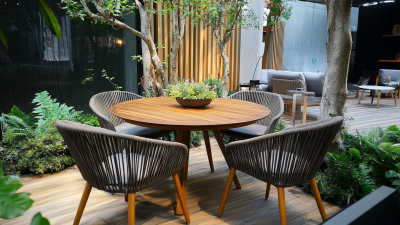
Another trend involves natural materials, such as bamboo and rattan. These materials create a warm, inviting atmosphere in any garden. However, they require proper maintenance to prevent wear. Users need to be mindful of their care routines, as neglect can dull the beauty of these selections.
Steel and aluminum are also gaining popularity for their robust nature. Lightweight yet strong, they are ideal for easy rearrangement in outdoor spaces. While they resist corrosion, they may require occasional treatments to maintain their finish. Mixing these new materials with traditional offerings invites creativity in design. The result is a more personalized outdoor experience that reflects individual tastes. Embracing change in material trends can enhance both functionality and visual appeal in your garden.
2026 Top Garden Furniture Trends to Enhance Your Outdoor Space
The following chart illustrates the emerging materials in garden furniture expected to dominate outdoor spaces in 2026. The data represents the projected percentage of preference among different materials based on market research.
Sustainable Practices and Eco-friendly Designs in Outdoor Furniture
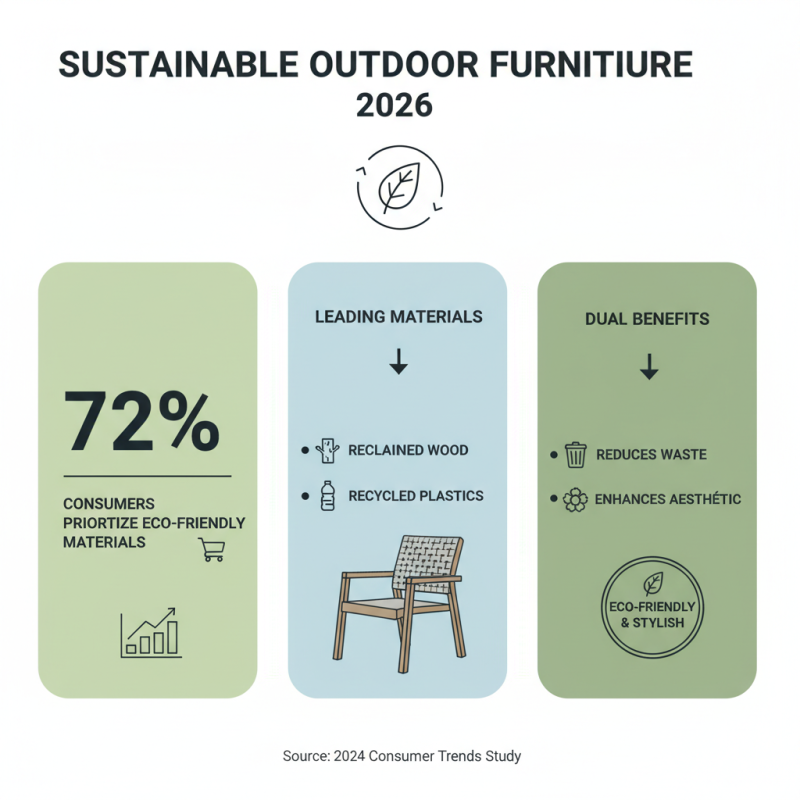
As we look towards 2026, sustainable practices in outdoor furniture are becoming paramount. Recent studies indicate that 72% of consumers prioritize eco-friendly materials when choosing garden furniture. Materials like reclaimed wood and recycled plastics are leading the trend. These options not only reduce waste but also enhance the aesthetic appeal of outdoor spaces.
Choosing furniture made from durable, low-impact resources can seem daunting. However, it creates a lasting impression and supports the environment. Designers are increasingly focusing on versatility, ensuring that pieces serve multiple functions. For example, benches that double as storage solutions are gaining popularity.
Tip: Consider the lifespan of your outdoor furniture. Investing in quality means fewer replacements and reduced waste. Another point to reflect on is the sourcing of materials. Local production cuts down on carbon footprints, supporting the green economy. Ultimately, thoughtfully designed outdoor furniture can enrich your space while conserving the planet.
Innovative Styles and Aesthetic Trends in 2026 Garden Furniture
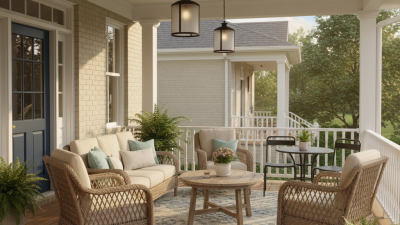
Outdoor living spaces evolve rapidly, and 2026 introduces fresh garden furniture innovations. Natural materials like bamboo and rattan gain more attention due to their eco-friendliness and textured appeal. These materials add warmth and resonate with nature’s raw beauty. Lightweight frames combined with weather-resistant cushions improve comfort and usability. However, some designs prioritize aesthetics over durability, causing early wear in harsh climates.
Color trends embrace muted earth tones—shades of terracotta, olive, and sandy beige dominate. These subtle hues create calm, inviting atmospheres without overwhelming the senses. Minimalist silhouettes with clean lines remain popular, yet some users find them stark and missing cozy charm. Mixing modern shapes with vintage-inspired accessories can soften this effect.
Technology also shapes the 2026 garden furniture scene. Integrated solar-powered lighting and USB charging ports increase practicality for outdoor activities. Still, technology integration must balance weather protection and maintenance needs. This nexus of style, function, and innovation defines next year’s trends—but it’s worth questioning if more emphasis on longevity and repairability might improve this evolving market.
Color and Texture Trends Shaping Outdoor Furniture Choices in 2026
As we look ahead to 2026, the world of outdoor furniture is evolving. Color and texture are becoming vital in shaping our outdoor spaces. Rich, earthy tones are trending. Deep greens, burnt oranges, and muted browns complement natural surroundings. These colors create a sense of calm while harmonizing with nature. Textured fabrics, like woven polyester or soft cotton blends, invite comfort and style.
For those open to bold choices, deep blues and vibrant yellows are making waves. They serve as striking accents, lifting the mood of any garden setup. While bright colors can energize, they also pose challenges. Maintaining a consistent theme is imperative. Mixing too many colors might disrupt the peaceful ambiance you're aiming for.
Textures are equally pivotal. Velvety cushions can elevate the seating experience. On the other hand, rough wooden surfaces bring a rustic charm. Balancing these is key. Too much texture can overwhelm a small space. Designers suggest focusing on one or two dominant textures. This gives a cohesive feel to your outdoor area while still allowing for individual expression.
2026 Top Garden Furniture Trends to Enhance Your Outdoor Space
| Trend |
Description |
Color Palette |
Popular Materials |
Texture Features |
| Sustainable Design |
Furniture made from recycled and eco-friendly materials. |
Earth tones and greens. |
Bamboo, recycled metals. |
Natural finishes, matte textures. |
| Minimalist Aesthetics |
Simple, functional designs with clean lines. |
Monochromatic shades. |
Aluminum, glass. |
Sleek, smooth surfaces. |
| Bold Colors |
Vibrant hues to add character to outdoor spaces. |
Bright oranges, blues, and yellows. |
Synthetic fabrics, painted woods. |
Textured upholstery, mixed materials. |
| Multi-functional Pieces |
Furniture that serves multiple purposes for limited spaces. |
Neutral shades with bright accents. |
Wood, textiles, metals. |
Layered textures, adjustable features. |
| Outdoor Living Rooms |
Creating comfortable living spaces outside. |
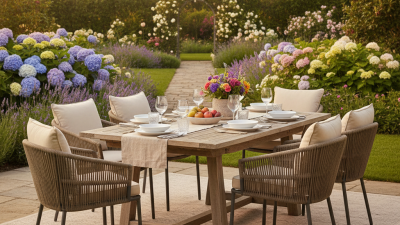
Soft blues, creams, and pastels. |
Comfort fabrics, durable woods. |
Plush cushions, woven finishes. |
Functional Features: Smart Technology in Garden Furniture for 2026
In 2026, garden furniture is evolving with smart technology. Outdoor spaces can now become more functional and comfortable. Imagine having a garden chair that adjusts to your body temperature. This innovation could transform how we enjoy our backyards.
Smart technology is not just about comfort. Lighting integrated into furniture offers safety during evening gatherings. Some options include solar-powered LED lights, which are both eco-friendly and practical. Outdoor furniture can now connect to apps, allowing for easy control of lights and heating.
However, there are challenges with these improvements. Technology can be complicated for some users, especially older generations. Moreover, maintenance for smart features may prove difficult. It’s essential to balance innovation with usability. Finding the right blend of technology and traditional comfort is essential for creating a welcoming outdoor space.